
80% of Palestinian Prisoners in Israeli Jails Infected with Scabies
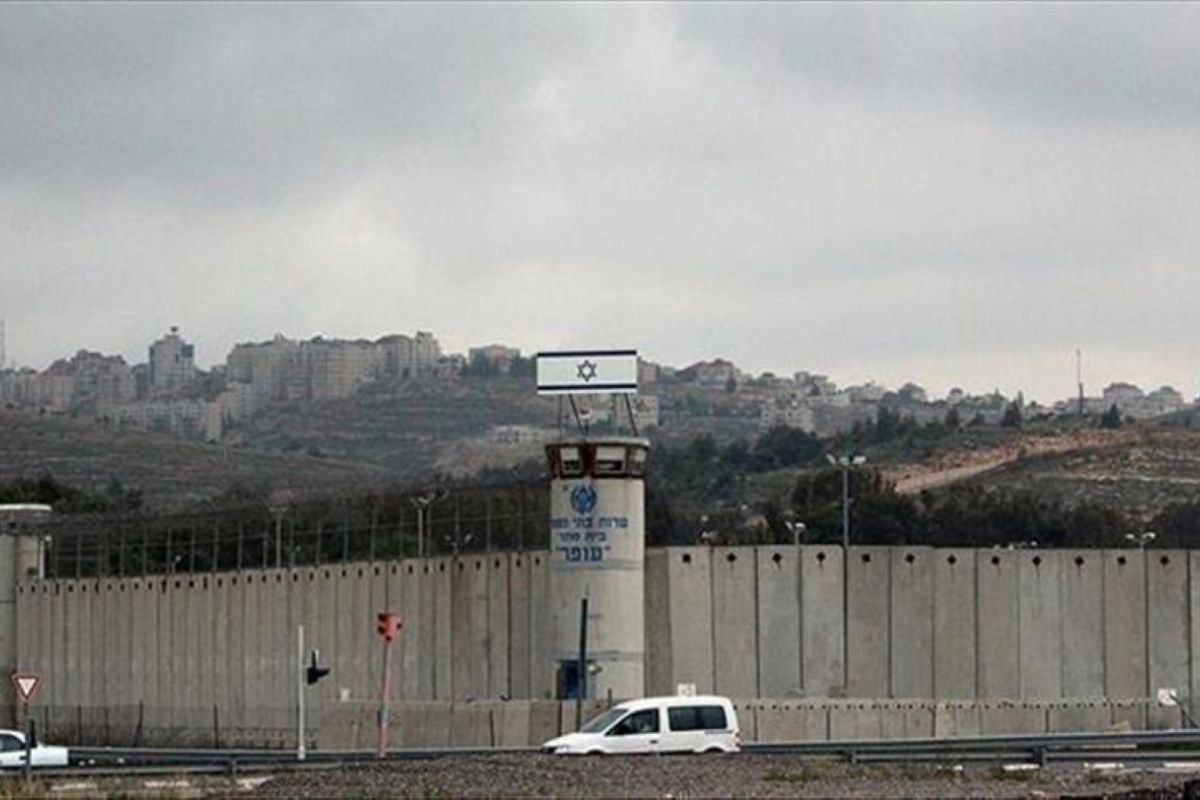
Ramallah, Palestine/Istanbul (ANTARA) – About 80 per cent of Palestinian prisoners held in Israeli jails are suffering from scabies, including children, the Palestinian Prisoner Society said on Sunday (8 November), citing accounts from current detainees and former prisoners who have been released.
In a written statement, the non-governmental organisation said its legal team had visited dozens of detainees in October and early November 2026.
According to the organisation, a severe shortage of clothing and overcrowded prison conditions are contributing to the spread of the disease, while detainees are not receiving adequate treatment.
The organisation said testimonies point to a “systematic policy” of torture, leaving prisoners to go hungry and neglecting medical care in Israeli prisons.
Prisoners told the legal team that special units of the Israel Prison Service entered prison blocks with dogs and used rubber-coated bullets and weapons they could not identify.
Some prisoners reported burns or temporary loss of mobility after being attacked. Others said they had suffered broken teeth, cracked ribs and bruising as a result of beatings.
The frequency of raids varies from one prison to another. However, the organisation said some prison blocks are raided every two or three days.
The advocacy group presented accounts from Palestinian detainees at Negev Prison in southern Israel, saying they reflected similar conditions in other prisons.
The Palestinian Prisoner Society used initials to protect the detainees’ identities. Many prisoners are afraid to give testimony after several inmates were brutally beaten while being taken to visits.
One detainee, identified by the initials AB, said a raid had torn a tendon in his hand and that he had to undergo surgery.
The organisation also reported that prison officers raided Block 24 at 7am local time on 28 October, took the prisoners’ mattresses and beat them.
In Block 26, a detainee identified as MK said several of his teeth had been broken during abuse. The lawyer who visited him said he appeared frightened as he recounted what had happened. During the visit, prisoners were also prohibited from signing powers of attorney needed to handle their legal cases.
Another detainee, identified as MS, said prison authorities deliberately removed mattresses during the day, forcing prisoners to sit on the floor or on bare metal beds. The practice made conditions particularly difficult for sick and elderly detainees, especially those with bone or limb problems, he said.
A detainee identified as MH said access to the prison yard depended on officers’ decisions. Severe overcrowding also forced most prisoners to sleep on cell floors.
In Block 25, a detainee identified as NY described the fear and anxiety prisoners experienced before roll calls or activities that prison authorities called “security inspections”.
According to NY, these inspections were often accompanied by raids and severe beatings. He said he had once been beaten so badly that he was bruised all over.
Another detainee, identified as DH, said prison officers carried out a large-scale raid on Block 24 on 28 October. During the raid, officers sprayed gas at prisoners and fired rubber bullets, injuring three people. He said officers also stormed several cells and brutally beat the prisoners.
Humiliation
The organisation said women held at Damon Prison in northern Israel had reported conditions similar to those in other jails, including hunger, systematic repression, searches, mistreatment and denial of their rights.
It said the authorities used access to healthcare and basic necessities as a means of humiliating the women.
Conditions had worsened as the number of women held in the prison increased, adding to overcrowding and the shortage of clothing, the organisation said. Some women reported spasms in parts of their bodies, as well as lumps on their skin and severe itching that prevented them from sleeping.
The organisation said prison authorities continued to deny that the women had scabies, attributing their symptoms to allergies. However, examinations of some women after their release confirmed that they had the disease.
The Palestinian Prisoner Society renewed its appeal to international human rights groups to end what it called their inability to act “amid the crimes committed by Israel’s occupation system against prisoners, aimed at destroying them physically and psychologically”.
According to the organisation, more than 9,300 Palestinians are being held in Israeli prisons, including about 90 women.
Source: jawawa.id (https://jawawa.id/newsitem/80-of-palestinian-prisoners-in-israeli-jails-infected-with-scabies-1794160227)
Originally published by Antara (Indonesian) (https://www.antaranews.com/berita/5840383/80-persen-warga-palestina-terinfeksi-kudis-di-penjara-israel), translated from Indonesian