
8 practices to avoid the torment of the grave according to Islam
Every living creature will surely experience death. In Islamic teachings, death is not the end of life, but rather the beginning of the journey towards the afterlife. During life in this world, humans accumulate deeds, both good and bad. Every action will later be accounted for before Allah SWT. After death, humans enter the realm of barzakh or the grave. This realm is a stopping place before humans are resurrected on the Day of Judgement. In several hadiths, a person’s condition in the grave is described as being related to the deeds they performed during their life. Therefore, Muslims are encouraged to increase righteous deeds and avoid sinful acts as provisions for facing life after death. The following are a number of practices that can be done to seek protection and relief from the torment of the grave.
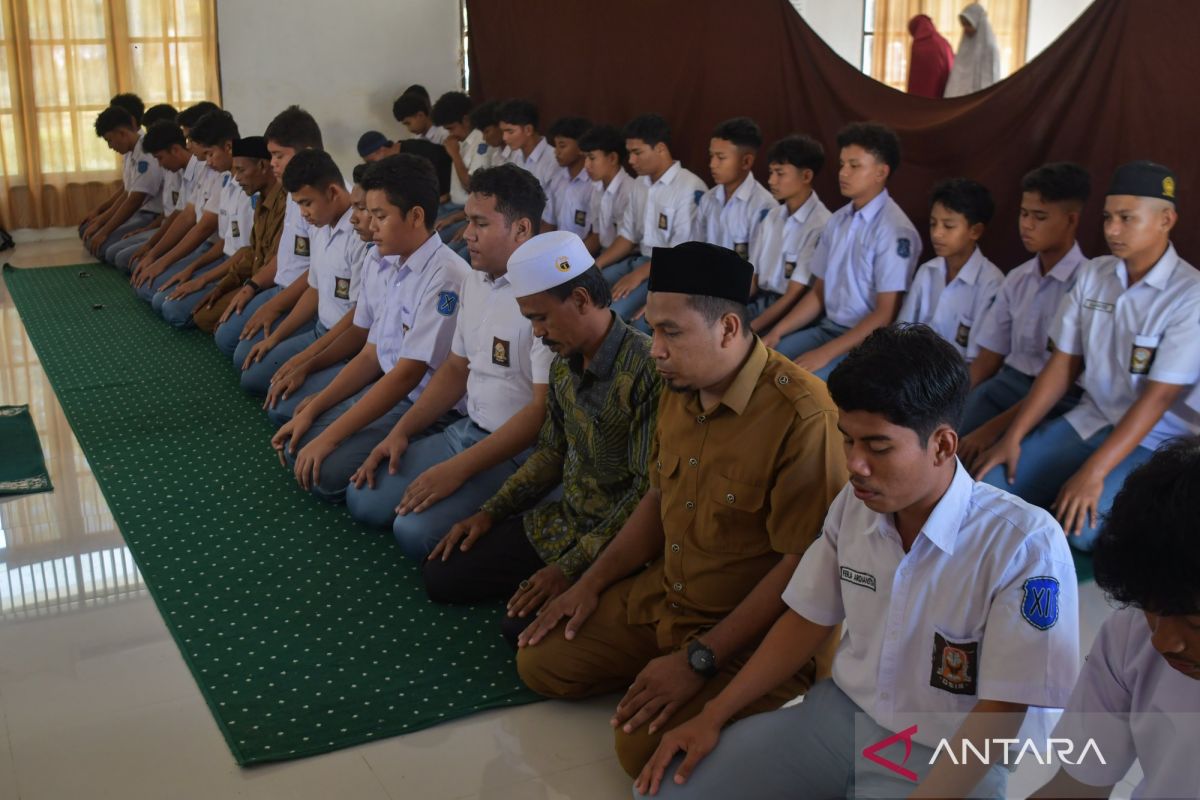
- Maintaining the five daily prayers
The five daily prayers are the primary obligation for every Muslim. Maintaining prayer, trying to perform it on time, and doing it with devotion are important parts of obedience to Allah SWT. Prayer is also one of the practices that shows a servant’s relationship with Allah SWT. Therefore, maintaining prayer as best as possible is part of a Muslim’s effort in preparing provisions for the afterlife. In a hadith narrated by Bukhari and Muslim, it is stated: “Prayer is the pillar of religion. Whoever establishes prayer has established the religion; and whoever abandons it has demolished the religion.” This hadith is popularly used to illustrate the importance of prayer in a Muslim’s life.
- Reading Surah Al-Mulk
Surah Al-Mulk is one of the surahs in the Quran that has virtues mentioned in various hadiths. One of them is a hadith narrated by At-Tirmidzi and Abu Dawud regarding the surah consisting of 30 verses that provides intercession for its reader. The Messenger of Allah SAW said: “There is a surah in the Quran consisting of thirty verses that can benefit the one who reads it, until he is forgiven, namely Surah Tabarakalladzi biyadihil mulku (Surah Al-Mulk).” (HR. Tirmidzi and Abu Dawud). This virtue is one of the reasons Muslims make a habit of reading Surah Al-Mulk, including at night. However, reading the Quran should not only be done with the aim of hoping for protection, but also as a form of worship and an effort to understand and practise its contents.
- Increasing remembrance and seeking forgiveness
Remembrance and seeking forgiveness are practices that can be done at any time. By remembering Allah, a Muslim remembers Allah SWT, while seeking forgiveness is a form of asking pardon for mistakes and sins. Making a habit of seeking forgiveness can also serve as a reminder so that a person does not underestimate the mistakes made in daily life. In addition, remembrance and seeking forgiveness are part of worship that can be continuously performed amidst various activities. A Muslim can make a habit of increasing remembrance, reciting istighfar, and asking forgiveness from Allah SWT as part of preparation for facing the afterlife.
- Giving charity and doing good deeds
Charity is one of the forms of deeds highly recommended in Islam. Not only in the form of giving wealth to those in need, charity can also be realised through various good deeds. Helping others, maintaining family ties, providing food, and doing good to fellow human beings are part of deeds that are valued by Allah SWT. Good deeds can become provisions for a Muslim after leaving this world. Therefore, increasing good deeds while still having the opportunity to live is one way to prepare oneself for the afterlife. This is also in line with the word of Allah SWT in Surah Al-Zalzalah verse 7: “Whoever does an atom’s weight of good will see it.” This verse reminds that no matter how small a good deed is, it does not escape Allah SWT’s reckoning.
- Praying for protection from the torment of the grave
In addition to performing various righteous deeds, Muslims are also encouraged to seek protection from Allah SWT from the torment of the grave. One of the prayers taught by the Messenger of Allah SAW is the prayer recited during the final tashahhud before the salam. The Messenger of Allah SAW said: “O Allah, I seek refuge in You from the punishment of Hellfire, from the punishment of the grave, from the trials of life and death, and from the evil of the trial of the false messiah.” (HR. Muslim). This prayer shows that protection from the torment of the grave is one of the things taught by the Messenger of Allah SAW to his people. Therefore, a Muslim can make a habit of reciting this prayer in prayer.
- Guarding the tongue and improving character
Maintaining a relationship with Allah SWT needs to be accompanied by maintaining relationships with fellow human beings. One way is through character and the way of speaking. Avoiding the habit of lying, gossiping, insulting, hurting others, and spreading words that can cause problems is part of guarding the tongue. Likewise, making a habit of being honest, trustworthy, respecting others, and being responsible for words and actions. In daily life, some sins are sometimes considered trivial because they are done through words or small habits. In fact, in Islamic teachings, every action still has consequences and will be accounted for. Therefore, improving character and guarding the tongue is an important part of efforts to increase good deeds and avoid actions that can harm oneself or others.
- Doing good to others
Islam does not only regulate the relationship between humans and Allah SWT, but also the relationship between humans and fellow human beings. Doing good to others is one of the practices that can be done in various forms. Helping those in need, being kind to neighbours, visiting the sick, and easing the burdens of others are examples of good deeds that are valued in Islam. These good deeds can become provisions for a Muslim in the afterlife. Therefore, making a habit of doing good to others is one of the practices that can be done to seek protection and relief from the torment of the grave.
- Repenting and avoiding major sins
Repentance is an important part of a Muslim’s life. By repenting, a person returns to Allah SWT and asks for forgiveness for the sins that have been committed. In addition, avoiding major sins is also an important effort in preparing for the afterlife. Major sins such as associating partners with Allah, disobeying parents, committing murder, consuming usury, and other major sins should be avoided. By repenting and avoiding major sins, a Muslim can seek protection and relief from the torment of the grave. This is in line with the word of Allah SWT in Surah At-Tahrim verse 8: “O you who have believed, repent to Allah with sincere repentance. Perhaps your Lord will remove from you your misdeeds and admit you into gardens beneath which rivers flow.” This verse shows that sincere repentance can erase sins and bring a person to the mercy of Allah SWT.