
8 Oil and Gas Giants 'Feast' Amidst Global Suffering, Raking in Rp11 Million per Minute
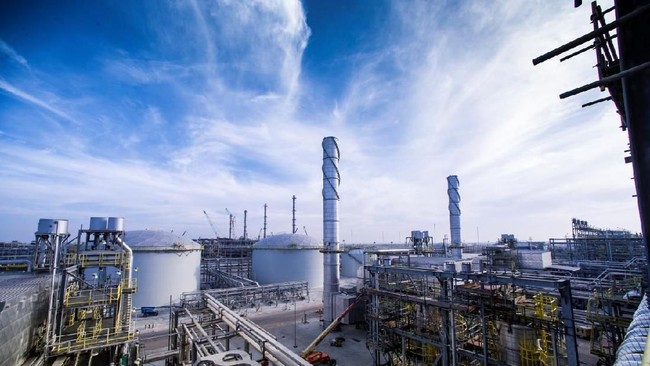
The world’s eight largest oil and gas companies—Aramco, BP, Shell, Equinor, TotalEnergies, Eni, Chevron, and ExxonMobil—raked in nearly US$93 billion (Rp1,488 trillion) in combined profits during the three months to the end of June. The companies capitalised on the largest supply disruption in the history of fossil fuel markets, more than doubling their combined earnings from under US$50 billion in the same period last year. Data indicates the eight companies earned over US$700,000 (Rp11.2 billion) every minute during the second quarter, while their combined market valuation swelled by approximately US$600 billion to surpass US$3 trillion.
The largest profit was reported by Saudi Arabia’s state-owned oil company, Aramco, which posted a 34% increase in quarterly net income to over US$33 billion (Rp528 trillion). This was achieved despite damage to its infrastructure from drone and missile attacks by Iranian and Houthi forces. In the United States, Chevron reported a net profit of US$12.2 billion (Rp195.2 trillion), a more than fivefold increase from the same period last year. ExxonMobil recorded a profit of US$14.5 billion (Rp232 trillion), double its earnings from the previous year and its highest quarterly profit since Russia’s invasion of Ukraine in 2022. The windfall profits of Chevron and ExxonMobil drew criticism from US President Donald Trump, who accused them of profiteering from his war in Iran and warned they would be forced to return the profits to the public ahead of the November midterm elections, as his approval ratings slumped.
In Europe, Shell reported its second-highest quarterly profit in history, with net income surging to US$9.84 billion (Rp157.4 trillion), despite producing less gas from its plant in Qatar due to billions of dollars in war-related damage. Equinor’s profit climbed to US$3.2 billion (Rp51.2 trillion) from US$1.8 billion in the spring quarter of the previous year. Meanwhile, BP reported a quarterly profit of US$5.73 billion (Rp91.6 trillion), the highest since the first year of the Russia-Ukraine war and more than double the US$2.5 billion recorded in the previous three months. BP’s new Chief Executive, Meg O’Neill, defended the profits by claiming the company was focused on reliably producing more of the scarce oil products. However, BP has slashed its annual energy transition budget from US$5 billion to a range of US$1.5 billion to US$2 billion since abandoning its environmental ambitions in a fundamental overhaul early last year. The company has spun off its UK offshore wind farms into a joint venture, sold its US onshore wind business, and recently announced the sale of its US$4 billion US biogas business, the largest producer of renewable gas in America. BP is also in advanced negotiations to sell its solar business, Lightsource, to a consortium backed by the Kuwaiti sovereign wealth fund, and has put its North Sea oil and gas business up for sale after more than 60 years of operation.
The war-fuelled windfall profits have reignited demands for oil and gas giants to pay for the environmental damage they cause and to fund a rapid transition to renewable energy. Activists warned that millions of households are bearing the consequences through higher bills and climate chaos. The Carbon Majors database records that Saudi Aramco’s fossil fuel production makes it the entity most responsible for historical carbon emissions, followed by Chevron, ExxonMobil, Shell, and BP. Saudi Arabia has led successful efforts to block and delay international climate action for decades. A scientific analysis published last September directly linked carbon emissions from the largest fossil fuel companies to deadly heatwaves, finding that emissions from each of the 14 largest companies were sufficient to trigger more than 50 heatwaves that would have been impossible naturally. Patrick Galey, head of fossil fuel campaigns at Global Witness, highlighted that while wildfires threaten communities worldwide, drought strikes, and energy costs soar, ordinary families are paying the price for Big Oil’s prioritisation of shareholder wealth over the planet’s sustainability. ‘BP’s sky-high profits are a shameful reminder of who is cashing in on human suffering this year,’ Galey stated, demanding that oil giants be made to pay for the climate damage they drive.