
8 Early Signs of Heart Disease That Are Often Overlooked
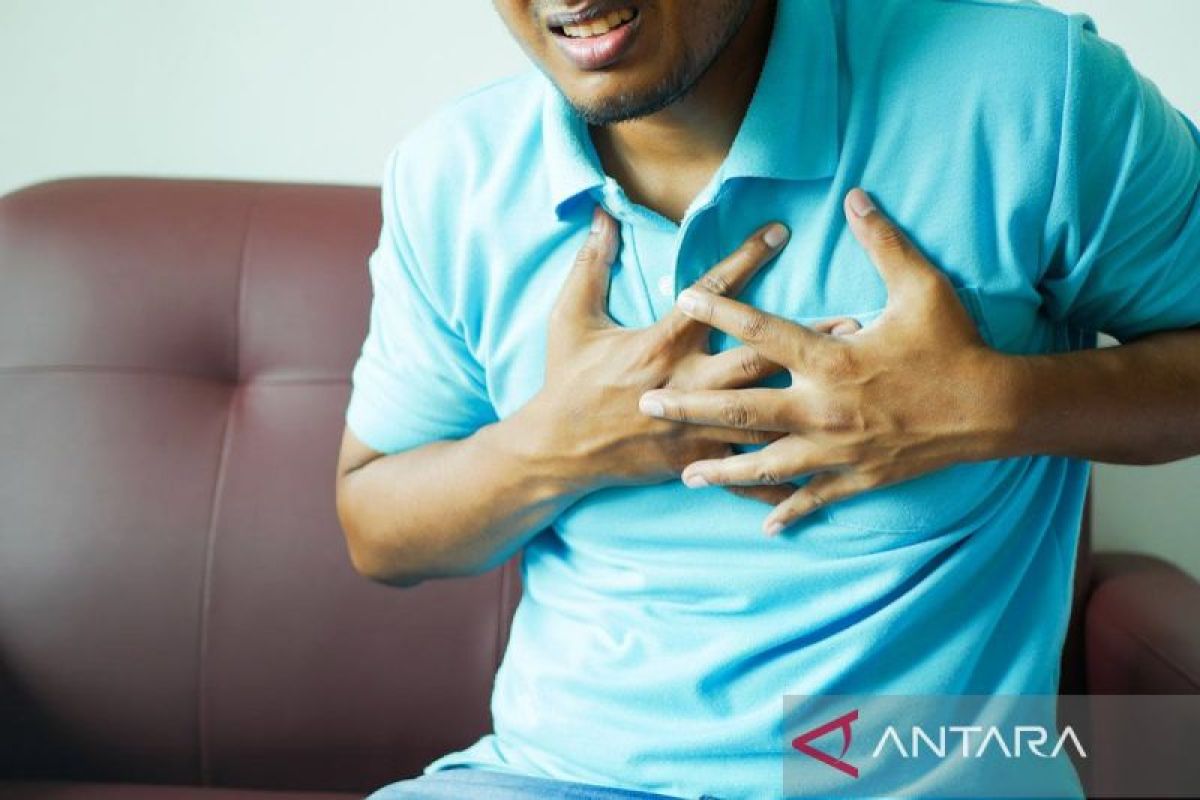
Jakarta (ANTARA) - Heart disease is a health problem that requires vigilance because its symptoms do not always appear suddenly. In many cases, early signs are mild and are often mistaken for ordinary complaints, such as becoming easily tired, shortness of breath or pain in certain parts of the body.
As a result, some people do not realise that they may have a heart problem. Recognising symptoms early can help people seek medical assessment and treatment sooner, before their condition becomes more serious.
The World Health Organisation (WHO) recorded around 19.8 million deaths from cardiovascular disease in 2022. This was equivalent to about 32 per cent of all deaths worldwide. Most cardiovascular deaths were caused by heart attacks and strokes.
Cardiovascular disease is a group of disorders affecting the heart and blood vessels. One of the best-known types is coronary heart disease, in which the blood vessels supplying the heart muscle become narrowed or blocked by a build-up of plaque.
So, what are the early signs of heart disease that often go unnoticed?
- Chest pain or discomfort
One sign to watch for is discomfort in the chest. It does not always feel like a sharp pain; it may feel as though the chest is under pressure, being crushed or squeezed, or burning.
The discomfort usually occurs in the middle or on the left side of the chest. For some people, it lasts for several minutes, then goes away and returns.
This symptom may be related to angina, chest pain that occurs when the heart muscle does not receive enough blood and oxygen.
Chest pain that occurs during physical activity or emotional stress and improves with rest should still be assessed by a doctor.
- Unusual fatigue despite little exertion
Feeling tired after strenuous activity is normal. However, unusual fatigue, even while doing light tasks, should be taken seriously.
A person may feel their energy quickly draining, find it difficult to complete everyday activities, or need more time to rest than usual.
This can happen when the heart is not pumping blood effectively, meaning the body’s tissues do not receive enough oxygen and nutrients.
Fatigue can also be caused by other conditions, such as lack of sleep, anaemia or metabolic disorders. However, if it persists and is accompanied by other symptoms, medical assessment is needed to identify the cause.
- Shortness of breath
Shortness of breath can also be a sign associated with heart problems.
It may occur during physical activity, when climbing stairs, while walking a certain distance, or even at rest.
In some cases, impaired heart function can cause fluid to build up in the lungs, making it difficult to breathe.
Shortness of breath that occurs when lying down and improves on sitting or standing should also be taken seriously. It may be linked to impaired pumping function of the heart.
If breathlessness comes on suddenly, is severe or is accompanied by chest pain, do not delay seeking medical help.
- Pain spreading to the arm, back, neck or jaw
Heart problems do not always cause pain confined to the chest. In some people, particularly during a heart attack, discomfort can spread to other parts of the body.
Areas to watch for include:
The left or right arm.
The upper back.
The neck.
The jaw.
The shoulder.
The upper abdomen.
The pain may sometimes resemble muscle soreness or indigestion, so it is often not associated with a heart problem.
However, if the pain occurs alongside shortness of breath, cold sweats, nausea or chest pressure, it should be treated as a possible medical emergency.
- A pounding or irregular heartbeat
Palpitations are when a person feels their heartbeat becoming faster, stronger or irregular.
They may be associated with an abnormal heart rhythm, or arrhythmia.
Some people describe the sensation as a racing or fluttering heart, or as though the heart has skipped a beat.
Palpitations do not always indicate heart disease. They can also be triggered by excessive caffeine, stress, anxiety or lack of sleep.
Nevertheless, palpitations that recur frequently, last a long time, or are accompanied by dizziness, chest pain or shortness of breath should be assessed promptly.
- Dizziness or feeling faint
Dizziness, light-headedness or feeling close to fainting can also indicate a problem with the cardiovascular system.
This can happen when too little oxygenated blood reaches the brain. One possible cause is an abnormal heart rhythm or the heart’s inability to pump blood effectively.
The symptoms may sometimes occur when a person stands up, walks or undertakes a particular activity.
If dizziness occurs repeatedly, especially alongside palpitations, shortness of breath or chest pain, it should not be dismissed as ordinary tiredness.
- Cold sweats and nausea without an obvious cause
Sudden cold sweats without strenuous physical activity should also be taken seriously, particularly when accompanied by other symptoms.
During a heart attack, a person may experience cold sweats, nausea, vomiting or abdominal discomfort.
These symptoms can resemble indigestion or a cold, making it harder to recognise what is happening and potentially delaying treatment.
If cold sweats and nausea occur alongside chest pressure or shortness of breath, seek medical help immediately.
- Swelling in the feet and ankles
Swelling in the feet, ankles or legs may also be associated with impaired heart function.
It can occur when the heart is unable to pump blood effectively, causing fluid to accumulate in body tissues.
The swelling is usually visible in both legs and may be accompanied by weight gain due to fluid retention.
However, swollen legs do not always indicate heart disease. Kidney or blood-vessel disorders and the effects of certain medicines can also be causes.
If the swelling persists and is accompanied by shortness of breath or fatigue, medical assessment should be sought promptly.
Heart disease symptoms in women can sometimes be harder to recognise because they are not always dominated by severe chest pain.
Alongside chest pain, women may experience unusual fatigue, shortness of breath, nausea, indigestion, or pain in the back, shoulder or jaw.
Even so, chest pain or discomfort remains one of the most common heart attack symptoms in both women and men.
It is therefore important not to dismiss symptoms simply because they do not include the type of chest pain often associated with a heart attack.
Factors that increase the risk of heart disease
Understanding risk factors is also important in helping to prevent heart disease.
Factors that may increase a person’s risk of heart problems include:
- High blood pressure
Hypertension makes the heart work harder to pump blood around the body.
- High cholesterol
Uncontrolled cholesterol levels can contribute to plaque building up on the walls of blood vessels.
- Diabetes
High blood sugar over a long period can damage blood vessels and increase the risk of heart disease.
- Smoking
Harmful substances in cigarettes can damage blood vessels and increase the risk of blockages.
- Inactivity
A largely sedentary lifestyle can increase the risk of obesity, high blood pressure and metabolic disorders.
- An unhealthy diet
Excessive consumption of foods high in salt, sugar and saturated fat can increase the risk of cardiovascular problems.
- Family history
Having a family member with a history of heart disease, particularly at a relatively young age, can increase a person’s risk.
When should you see a doctor?
Heart disease symptoms do not follow the same pattern in everyone. Some people with coronary heart disease have no symptoms before they are diagnosed or experience a heart attack.
Regular health checks are therefore important, particularly for people with risk factors such as high blood pressure, diabetes, high cholesterol, obesity and smoking.
Depending on the patient’s condition, a doctor may conduct tests including blood-pressure checks, an electrocardiogram (ECG), blood tests and, if necessary, heart imaging.
It is equally important to recognise emergency warning signs. If someone experiences chest pressure or pain lasting several minutes or recurring, shortness of breath, cold sweats, nausea, or pain spreading to the arm and jaw, seek medical help immediately through an ambulance service or an emergency department.
Do not wait for symptoms to disappear on their own or try to manage them simply by resting. Prompt treatment for a heart attack is essential to limit damage to the heart muscle and prevent life-threatening complications.
Recognising small changes in the body is therefore an important step in protecting heart health. Do not dismiss recurring symptoms, particularly when several signs suggest a cardiovascular problem.
Source: jawawa.id (https://jawawa.id/newsitem/8-early-signs-of-heart-disease-that-are-often-overlooked-1794297112)
Originally published by Antara (Indonesian) (https://www.antaranews.com/berita/5843743/8-ciri-awal-penyakit-jantung-yang-sering-diabaikan), translated from Indonesian