
8 Decades of Bhayangkara: A Cultural Reform Emergency Amidst Efforts to Ground Service
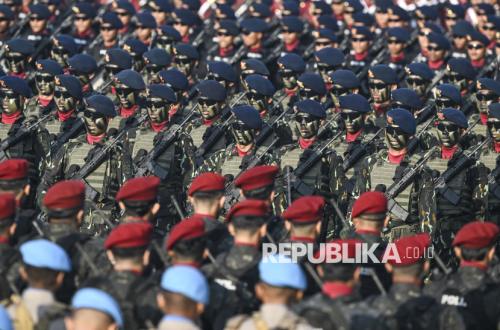
“The Republic of Indonesia does not belong to any particular group, religion, tribe, or custom, but belongs to all of us from Saberm to Merauke!” – Ir. Soekarno.
This quote from the Founding Father, Bung Karno, is the spirit that should flow through every heartbeat of the Indonesian National Police (Polri). If this nation belongs to everyone, then Polri, as the state’s law enforcement tool, must be a protector for all, regardless of social status or high office.
On 1 July 2026, the Bhayangkara Corps will reach its 80th year. Eight decades is not a short period. It is an age laden with wisdom, experience, and, ideally, institutional maturity.
Carrying the theme “80 Years of Service, Polri for the People”, this year’s Bhayangkara Day commemoration must not merely be a ceremonial event of cutting rice cones and parades of discipline. An age of 80 years demands radical contemplation: Has Polri truly been present to protect the community, or has it instead transformed into an ivory tower, distanced from the cries of those seeking justice?
From Revolution to Reform
The history of Polri is the history of this republic. Born from the womb of revolution on 1 July 1946, Polri was initially formed through Government Decree of 1946 No. 11/S.D. During that era, the police were not merely law enforcers, but fighters who took up arms to defend independence.
Source: jawawa.id (https://jawawa.id/newsitem/8-decades-of-bhayangkara-a-cultural-reform-emergency-amidst-efforts-to-ground-service-1782964311)
Originally published by Republika (https://analisis.republika.co.id/berita/thj1aj320/8-dekade-bhayangkara-darurat-reformasi-kultural-di-tengah-upaya-bumikan-pengabdian), translated from Indonesian