
76 Percent of Parents of Neurodivergent Children Recognised Differences Before Diagnosis
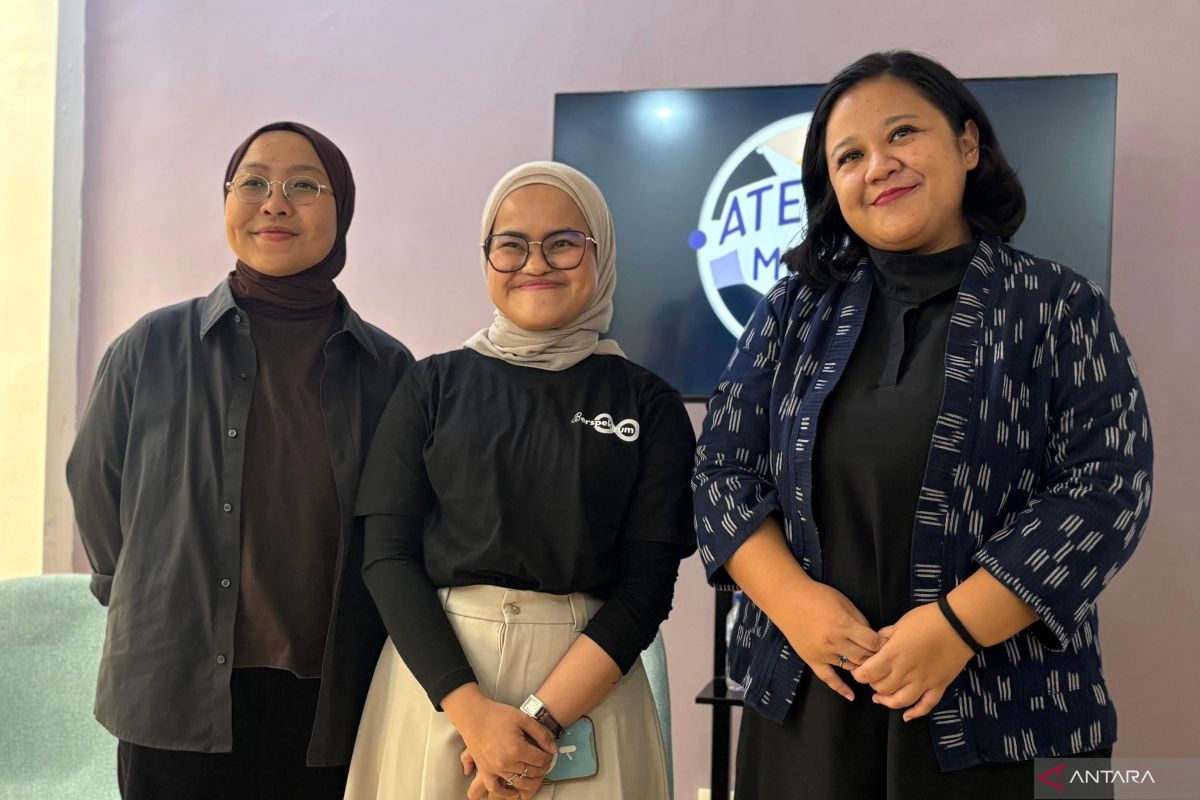
Jakarta (ANTARA) - As many as 76 percent of parents with neurodivergent children admitted to noticing differences in their child even before receiving a diagnosis from medical professionals, according to survey results released by the inclusive learning and child development centre Atelier of Minds.
According to information published on the official website of the United Nations Children’s Fund (UNICEF), the term neurodivergent is used to refer to individuals with cognitive and behavioural processes that differ from what is generally expected, such as individuals with autism and dyslexia.
The survey titled “Parents’ Voices”, the results of which were presented at a press conference in Jakarta on Monday, involved 173 parents of neurodivergent children, including children with dyslexia, special talents, Attention Deficit Hyperactivity Disorder (ADHD), and Autism Spectrum Disorder (ASD).
The results of the survey, conducted from May to July 2026, showed that most parents with neurodivergent children are quite sensitive in recognising differences in their child.
“The findings of this survey reinforce that parents’ greatest hope is not merely to see short-term development, but to build a more independent future for their child,” said Atelier of Minds Founder Chatrine Siswoyo.
She explained that the survey results also revealed the challenges currently faced by parents with neurodivergent children, including difficulty finding accurate sources of information to support meeting the specific needs of their child and the complexity of efforts in accompanying the child.
Atelier of Minds principal psychologist Erna Yulianti, S.Psi., M.Psi., Psikolog, said the survey results showed that most parents with neurodivergent children gather information from various sources, including fellow parents, search engines, social media, and artificial intelligence tools.
“The ease of accessing information certainly brings benefits. However, without professional guidance, the abundance of information can actually cause confusion and delay the steps most needed by the child,” said the University of Gadjah Mada graduate.
She added that the role of professionals is not to replace parental intuition, but rather to validate observations and provide appropriate, evidence-based intervention guidance according to the unique needs of each child.
In addition, some parents with neurodivergent children worry about their child’s future and experience fatigue in carrying out their role as parents.
In the Atelier of Minds survey, 78 percent of respondents worried about their child’s ability to live independently as an adult, 65 percent were concerned about their child’s career and employment opportunities, and 64 percent questioned who would accompany their child when they are no longer around.
According to the survey results, 33 percent of parents felt that teachers at school did not yet understand their child’s needs, and 24 percent of parents stated that their child had not received appropriate learning accommodations.
The survey results also showed that 71 percent of respondents considered cost to be the biggest barrier in efforts to obtain sustainable therapy for neurodivergent children.
Chatrine said that the survey findings were consistent in Jakarta as well as in areas outside Jakarta, Bogor, Depok, Tangerang, and Bekasi.
According to her, this condition indicates a problem of service affordability in various regions of Indonesia.
Although many parents with neurodivergent children have tried to seek support from families with similar experiences, spaces for connecting with one another are still not optimal.
As many as 51 percent of survey respondents admitted to being part of a community of parents of neurodivergent children, but felt that community activities were not yet active.
On the other hand, 22 percent of respondents stated that they wanted to join a similar community but did not yet know where to look.
Source: jawawa.id (https://jawawa.id/newsitem/76-percent-of-parents-of-neurodivergent-children-recognised-differences-before-diagnosis-1786348562)
Originally published by Antara (Indonesian) (https://www.antaranews.com/berita/5687441/76-persen-orang-tua-anak-neurodivergen-menyadari-anak-mereka-berbeda), translated from Indonesian