
76% of Badung Residents Now Sort Waste, Regency Optimistic About Ending Shipments to Suwung Landfill
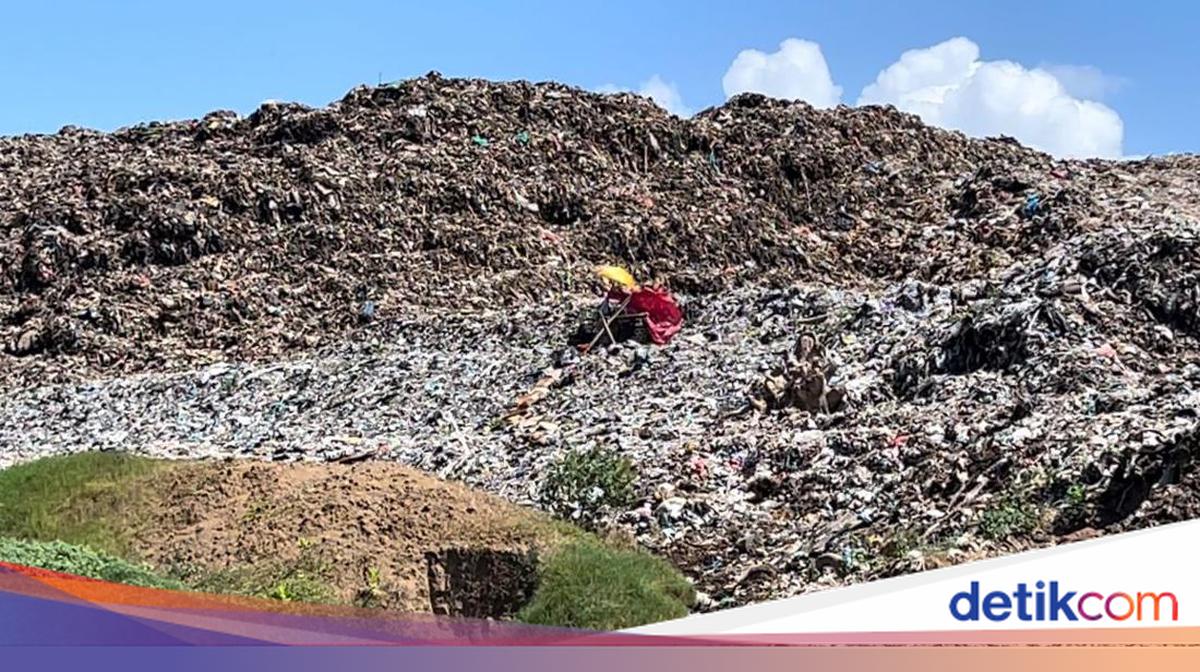
Seventy-six percent of residents in Badung Regency are now aware of and have begun sorting their waste at home. This high level of social capital gives Regent I Wayan Adi Arnawa optimism that his region can soon become self-sufficient in waste management, without depending on the Suwung Final Processing Site (TPA). “With this sorting, it is far more optimal; everywhere waste must be sorted. The mindset and public awareness are now present, in fact, according to the data, it is already 76 percent,” said Adi Arnawa after handing over holiday allowance assistance on Thursday. The Badung Regency Government affirmed its commitment to consistently implementing source-based waste sorting. This policy is maintained because it is considered proven to reduce the burden of waste management in various developed countries. “From all of this, I certainly hope the waste handling ecosystem in Badung can function. In the future, I also hope it can reach zero, empty, zero waste,” stressed the Regent, who hails from Pecatu, South Kuta. Badung’s move is also a response to a statement by the Minister of Environment, Mohammad Jumhur Hidayat, who relaxed permits for opening landfills on the condition that they do not use an open dumping system. Despite the relaxation from the central government, Badung still limits waste shipments and will only use the Suwung TPA as a residue containment site. “Because what the Minister said, even open dumping sites are being permitted. Now, if this can be handled properly, for example, if a third party can cooperate with the TPS3R, I think waste will no longer need to go to the Suwung TPA,” explained the PDIP politician. Acceleration efforts are also focused on the hotel, restaurant, and café (Horeka) sector, which contributes 45.5 percent, or around 364 tonnes, of the total 800 tonnes of daily waste in Badung. This sector is targeted to enter the ecosystem of Reduce-Reuse-Recycle Waste Processing Sites (TPS3R) and Integrated Waste Processing Sites (TPST), so they no longer dispose of waste through third parties directly to the landfill. “I have instructed the Environment and Hygiene Service to hold a cleanliness competition, where the assessment will later be refined in the Mangupura Award. In this competition, an area will be assessed from the process of handling waste at the source, then the utilisation of TPS3R, and finally the use of TPST,” concluded Adi Arnawa.