
72 Gold Miners Killed Near Sudan–Egypt Border: Who Was Behind the Attack?
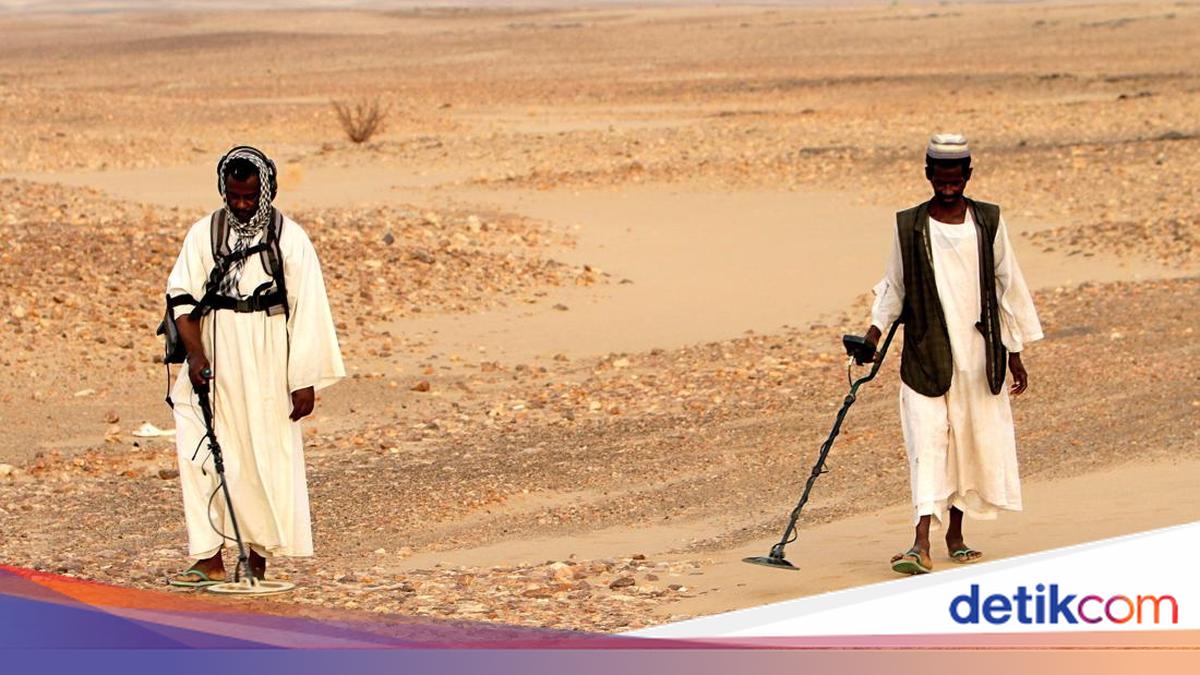
At least 72 civilians mining for gold in Sudan were killed in an air strike on Saturday (10 October).
The fighter aircraft targeted small-scale gold miners in River Nile state, according to information gathered by the human rights advocacy group Emergency Lawyers.
Neither the Egyptian government nor Sudan’s de facto authorities have commented on the incident so far.
This was not the first attack on gold miners near the Sudan–Egypt border. In a previous incident, Egypt was suspected of responsibility, as the attack was linked to its policy towards what it calls “illegal activities” on the southern side of its border with Sudan.
Emergency Lawyers, based in Sudan’s capital, Khartoum, has highlighted several attacks it believes were carried out by Egypt. The group says the attacks not only violate Sudan’s sovereignty but also demonstrate the government’s limited control over the area.
“The deliberate targeting of unarmed civilians violates international humanitarian law and the right to life,” Emergency Lawyers said in a statement.
“The attack may be classified as a war crime,” the group said.
The death toll could rise, according to Emergency Lawyers.
The Paris-based newspaper Sudan Tribune reported that the number killed may be far higher than the figure cited by Emergency Lawyers. It quoted a survivor who said many others had been injured in the air strike.
What happened?
According to a survivor interviewed by Sudan Tribune, the air strikes began at about 6am local time.
The witness said the aircraft fired more than five missiles directly at tents occupied by the miners. The missiles destroyed the tents and mining pits, some of which still had people inside.
Liquid mercury used in gold washing is poured back into bottles for future use on a road in Atbara, River Nile state, February 2025. According to various sources, large quantities of gold have been smuggled from Sudan into Egypt in exchange for cheap fuel, weapons and other goods illegally transported in the opposite direction. (Getty Images)
Sudan Tribune reported last June that the Egyptian military was suspected of deploying drones and launching artillery attacks on artisanal mining sites in the same area.
That June attack killed several people.
There had previously been a series of sporadic incidents. Egyptian border guards burned equipment, destroyed temporary shelters and fired live ammunition to disperse mine workers.
A few days after the latest incident, Egypt’s border agency announced that it had begun a large-scale security operation along the border with the military. The stated aim was to prevent illegal migration, drug smuggling and illegal mining.
At the same time, Sudan’s de facto leader announced an investigation into the attack, which the authorities said had killed dozens.
Gold lies at the heart of tensions in the border region.
Sudan’s ongoing civil war has fuelled a surge in artisanal mining.
This high-risk mining is carried out by civilians using basic equipment and without official permits, particularly in remote areas near the Sudan–Egypt border.
Gold-rich areas, including those in River Nile state, lie along the border and are difficult to monitor.
Historically, these gold-rich areas have also been close to cross-border smuggling routes. Various reports suggest that gold from artisanal mines may enter those smuggling networks.
Egyptian border forces announced last June that they had seized 86 tonnes of gold ore, along with small-scale gold-prospecting equipment.
Source: jawawa.id (https://jawawa.id/newsitem/72-gold-miners-killed-near-sudan-egypt-border-who-was-behind-the-attack-1791805961)
Originally published by detikcom (https://news.detik.com/bbc-world/d-8703782/72-penambang-emas-tewas-di-perbatasan-sudan-mesir-siapa-dalangnya), translated from Indonesian