
71 Years of the Asian-African Conference: Indonesia Promotes the Bandung Ten Principles as a Solution to Global Conflicts
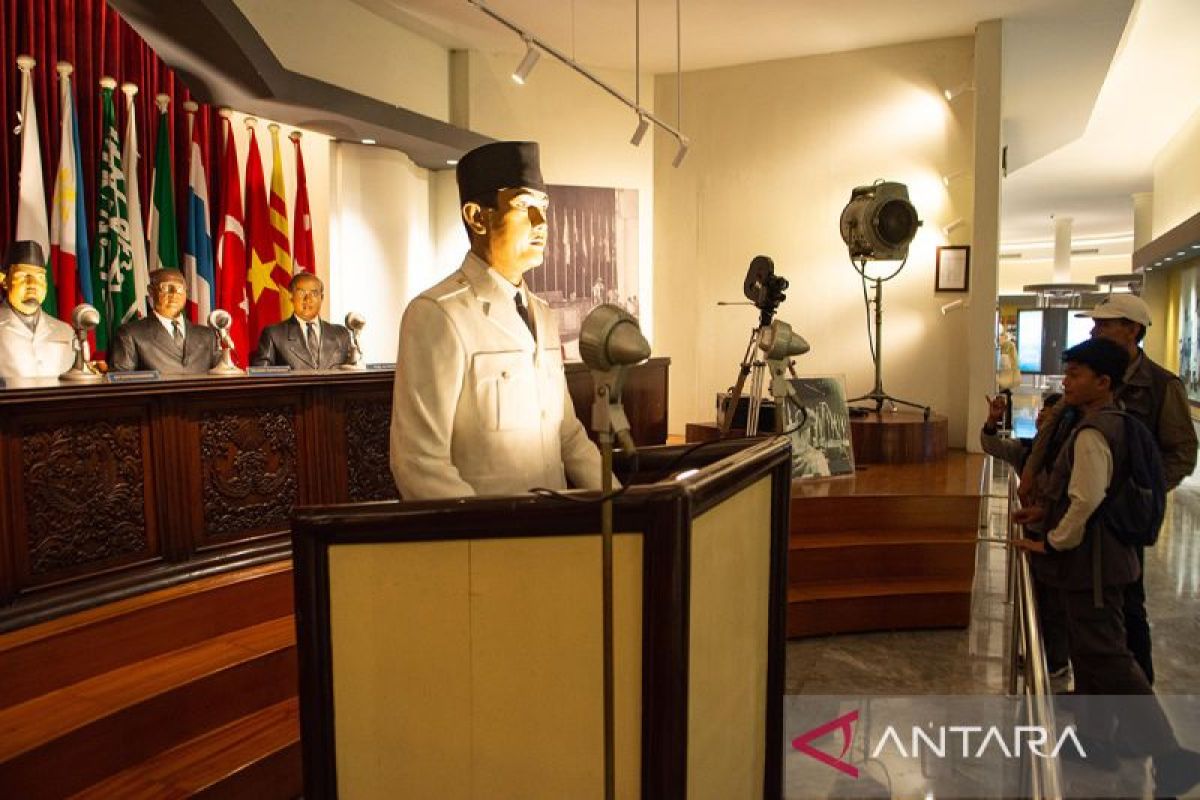
Indonesia will continue to champion the values of the Asian-African Conference (KAA) enshrined in the Bandung Ten Principles as a bond of solidarity among developing countries and a solution to global conflicts.
This was stated by spokesperson for the Indonesian Ministry of Foreign Affairs, Vahd Nabyl A. Mulachela, ahead of the 71st anniversary commemoration of the 1955 Asian-African Conference.
“We view the principles in the Bandung Ten Principles as values that we uphold, not merely ceremonially, but also in the missions and messages that we advance,” Nabyl said during a media briefing in Jakarta on Thursday (16/4).
He stated that Indonesia’s diplomacy continues to prioritise the values and spirit of the Bandung Ten Principles in various forums.
Issues aligned with that spirit, particularly regarding world peace, continue to be voiced amid global conflicts, he said.
“We will not let this momentum pass because it is relevant to the challenges we face today,” Nabyl added.
The Asian-African Conference was held from 18 to 24 April 1955 in Bandung, West Java.
The KAA produced ten basic principles known as the Bandung Ten Principles, which serve as the foundation for Asian and African countries in confronting colonialism.
The ten principles are:
Respect for fundamental human rights and the principles in the UN Charter
Respect for the sovereignty and territorial integrity of all nations
Recognition of the equality of all nations, large and small
Refraining from intervention in the internal affairs of other countries
Respect for the right of each nation to defend itself in accordance with the UN Charter
Refraining from using collective defence for the benefit of certain countries
Refraining from threats or use of force against other countries
Settlement of international disputes by peaceful means
Promotion of mutual interests and cooperation
Respect for international law and obligations
Although the conference was attended by only 29 countries, the values of the Bandung Ten Principles received widespread support, including from countries in Latin America and Africa.
The KAA also became the precursor to the Non-Aligned Movement (NAM), which was established on 1 September 1961 in Belgrade by Yugoslavia, Indonesia, Egypt, India, and Ghana.