
700 MHz Frequency Deemed Solution for Internet Access in Remote Areas
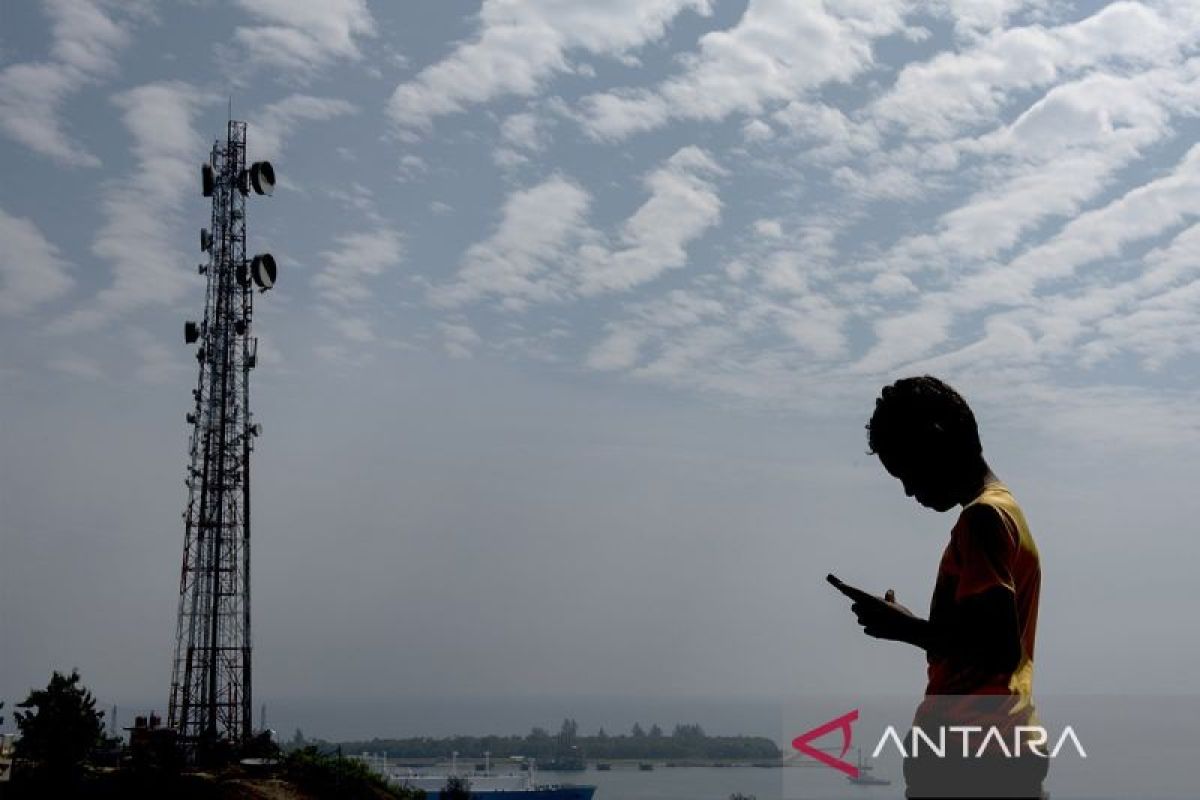
Telecommunications observer Heru Sutadi believes that the 700 MHz frequency spectrum could serve as a solution to expand internet access to remote, border, and island regions in Indonesia.
“The characteristics of the 700 MHz frequency are capable of reaching wider areas with fewer Base Transceiver Stations (BTS), making it more economical to serve remote, border, and island regions,” Heru stated when contacted by ANTARA in Jakarta on Tuesday.
The government is known to be opening an auction for the selection of users for the 700 MHz and 2.6 GHz radio frequency bands to expand the reach of telecommunications services using 4G and 5G cellular technology to remote areas.
This step is part of the government’s effort to optimise frequency spectrum resources to encourage expanded coverage and improved quality of mobile broadband services throughout Indonesia.
The Executive Director of the Information and Communication Technology (ICT) Institute noted that the additional spectrum will increase network capacity, thereby improving service quality and internet speeds.
The 700 MHz band allows operators to build networks more cost-effectively with wider coverage, supporting the equitable distribution of digital access. Meanwhile, the 2.6 GHz band helps reduce traffic congestion in densely populated urban areas, ensuring an optimal customer experience.
Heru stated that both frequency bands are considered highly strategic for the telecommunications industry. He explained that the 700 MHz band offers wide and efficient coverage for expanding services, particularly in rural and outermost regions, while the 2.6 GHz band provides large capacity to support ever-increasing data traffic needs.
“The combination of both will strengthen the foundation for 4G and 5G network development in Indonesia,” said the observer, who also serves as the President of Asia Digital Connectivity and Society.
Heru reminded that during the auction process, spectrum prices should be set fairly, considering a balance between state revenue and the investment needs of operators. He warned that excessively high auction prices could potentially reduce the ability of operators to build new networks.
In his view, the most important factor is not merely the auction value, but how quickly the spectrum can be applied into services that benefit the public.
“With healthy pricing, operators will have more room to expand coverage, improve service quality, and accelerate the equitable distribution of internet to areas that are not yet optimally served,” said Heru.