
70 Percent of Transport Accident Victims Dominated by Productive Age Group
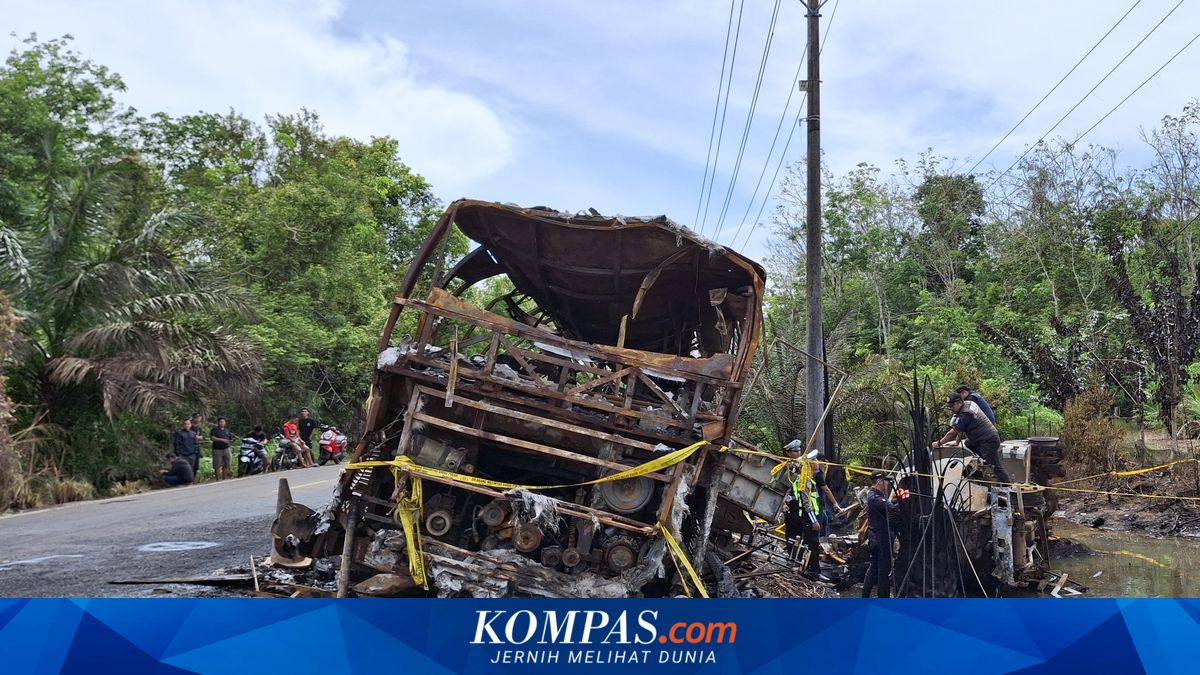
Roads in Indonesia have transformed into a battlefield that devours the existence of the nation’s best generation. The deadly tragedy involving the Antar Lintas Sumatera (ALS) bus and a fuel tanker truck on the Jalinsum in North Musi Rawas on Wednesday (6/5/2026) serves as a stark portrait of the fragility of national transport safety. This incident, which claimed 18 lives, is a manifestation of the collapse of regulatory oversight and budget cuts that have led to a “Safety Emergency” status. Academic from the Civil Engineering Programme at Unika Soegijapranata and Advisory Board Member of the Indonesian Transport Society (MTI), Djoko Setijowarno, revealed that the fatality rate from accidents exceeding 100 lives per day is a slap in the face to the authorities. “The government must strengthen safety authorities with firm budget commitments. Cutting operational allocations for the KNKT or safety budgets in the Ministry of Transportation is a form of constitutional neglect of public lives,” Djoko stated firmly in a comment to Kompas.com on Sunday (10/5/2026). Data from Korlantas Polri and PT Jasa Raharja uncover heartbreaking facts. The group of students and university students (11–25 years) dominates strikingly, reaching 40 percent of total road deaths. Although there was an 8 percent reduction in fatalities during the 2026 Eid exodus season, the victim profile remains stagnant: productive-age males who should be the backbone of the economy. Dimensionally, 61 percent of accidents stem from competency deficits and degradation of driver character. This ratio indicates that improving physical infrastructure without accompanying purification of road user discipline is a premature step. In accordance with the mandate of Minister of Transportation Regulation (Permenhub) Number 85 of 2018, the Public Transport Safety Management System (SMK-PAU) is designed as an operational shield. There are 10 fundamental elements, from risk management to emergency response. However, its implementation often faces fiscal limitations, especially for small-scale bus operators. The three absolute pillars of SMK-PAU include monitoring working hours to mitigate fatigue (maximum eight hours), mandatory pre-trip inspections, and administrative compliance.
Source: jawawa.id (https://jawawa.id/newsitem/70-percent-of-transport-accident-victims-dominated-by-productive-age-group-1778453565)
Originally published by Kompas (https://www.kompas.com/properti/read/2026/05/11/053000521/70-persen-korban-kecelakaan-transportasi-didominasi-usia-produktif?utm_source=ABC&utm_medium=rss), translated from Indonesian