
7 types of volcanic eruptions and their characteristics
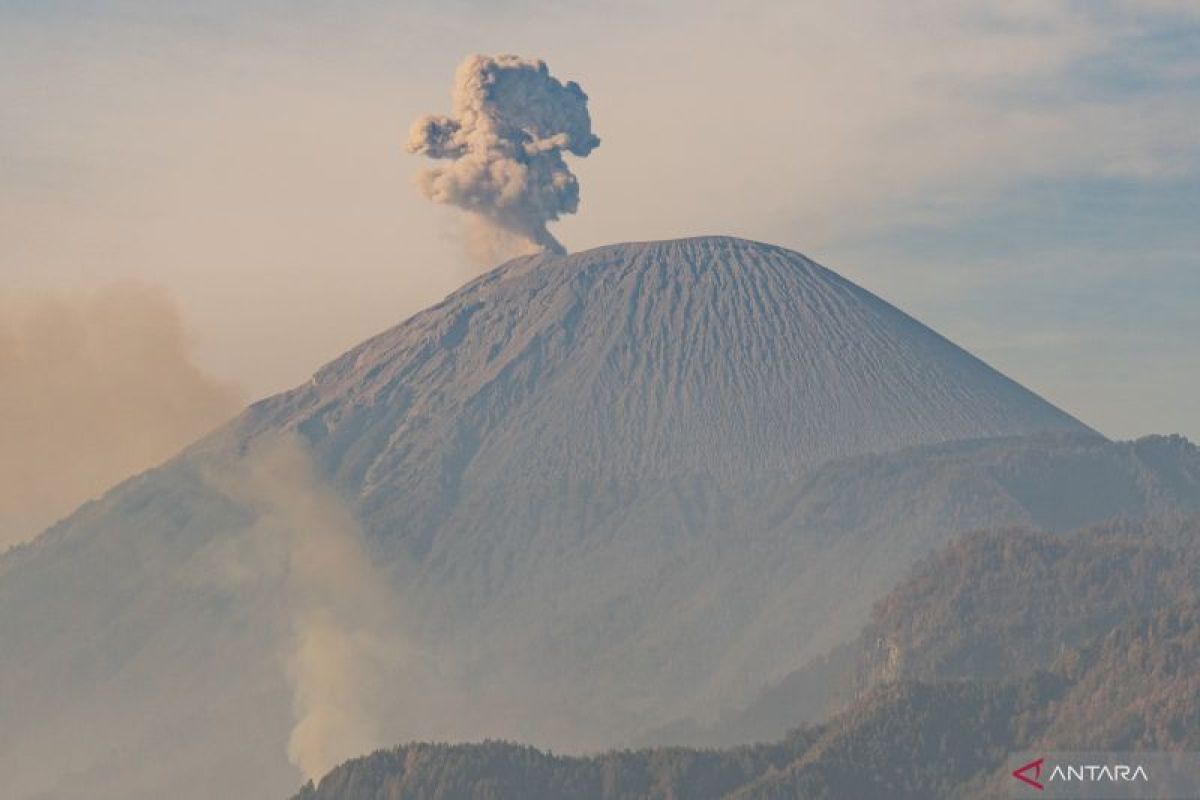
Volcanoes do not always erupt in the same manner. Some volcanoes release lava slowly, some eject volcanic material periodically, and others produce massive explosions that send volcanic ash high into the atmosphere.
These differences are influenced by several factors, such as the nature of the magma, gas content, magma viscosity, and the conditions within the volcanic conduits. Consequently, experts recognise several styles or types of volcanic eruptions, each with distinct characteristics.
This phenomenon has regained attention alongside the activity of several volcanoes in Indonesia, including Mount Anak Krakutau, which has recently experienced eruptions producing volcanic material. Such activity also demonstrates that a single volcano can undergo changes in eruption style over time.
So, what are the different types of volcanic eruptions?
- Hawaiian Eruption
As the name suggests, this eruption type is closely associated with volcanoes in Hawaii. Its primary characteristic is relatively fluid magma, which flows easily out of the crater or fissures.
Hawaiian eruptions are generally not dominated by large explosions. The most abundant material released is lava flows, which can form lava fountains.
Because the lava is very fluid, the material can flow quite far from the eruption source. The US Geological Survey (USGS) states that Hawaiian eruptions are usually weak to almost non-explosive compared to other eruption types.
- Strombolian Eruption
Strombolian eruptions can be described as more explosive than Hawaiian eruptions, but they generally remain at a low to moderate level. Their hallmark is periodic explosions. Gas accumulating within the magma then bursts, propelling incandescent lava clumps, lapilli, and other volcanic materials into the air.
These eruptions can appear as repeated bursts of incandescent material emerging from the crater. Material falling around the crater can also form cones or add to the accumulation of volcanic debris. The USGS explains that Strombolian eruptions are characterised by gas explosions that throw incandescent lava clumps into the air.
- Vulcanian Eruption
While Strombolian eruptions consist of relatively repetitive explosions, the Vulcanian type typically produces stronger and shorter-lived explosions. Magma in this type tends to be more viscous. Gas finds it harder to escape, allowing pressure to build up before finally being released through an explosion.
The result is an ejection of ash, rocks, and gas that can form an eruption column above the crater. Vulcanian eruption clouds often appear dense and resemble cauliflower or mushroom shapes. According to the USGS, Vulcanian eruptions generally involve relatively cool, viscous, and gas-rich magma.
- Plinian Eruption
Plinian is one of the most powerful types of explosive eruptions. The name refers to the observations made by Pliny the Younger regarding the eruption of Mount Vesuvius in 79 AD.
Its main feature is the formation of extremely high eruption columns caused by the ejection of large amounts of ash, pumice, gas, and volcanic material. Ash carried by the wind can spread over very vast areas. Plinian eruptions can also be accompanied by pyroclastic flows that move rapidly around the volcano.
The USGS notes that Plinian eruptions can eject ash and gas to immense heights and produce widespread impacts in downwind regions.
- Pelean Eruption
The Pelean type is characterised by highly viscous magma and the formation of lava domes. Because the magma is difficult to flow, material can accumulate around the crater and form a dome. If this dome collapses, hot material in the form of ash, gas, and rock fragments can move down the slopes as pyroclastic flows.
This type is known to be dangerous because pyroclastic flows can move at high speeds and carry extremely high-temperature material.
- Phreatic Eruption
Unlike some of the previous types, phreatic eruptions do not necessarily involve the emergence of new magma to the surface. This eruption occurs when water within or around the volcanic system comes into contact with very hot material. The water then turns into steam and undergoes rapid expansion, resulting in an explosion.
The ejected material primarily comes from existing rocks around the volcanic conduit, rather than new magma. Therefore, phreatic eruptions can occur even when there are no clear signs of magma rising to the surface.
- Surtseyan Eruption
The Surtseyan type includes eruptions that occur when magma interacts with large amounts of water, particularly in marine or shallow water environments. The meeting of magma and water can produce powerful steam explosions that break the magma into small volcanic particles.
Such eruptions can also form new volcanic islands if the ejected material continues to accumulate until it rises above sea level.
Not all volcanoes have only one type of eruption
It is important to understand that these classifications do not mean a volcano will forever have a single type of eruption. The USGS explains that during one period of activity, a volcano can exhibit more than one eruption style. These changes can be influenced by magma conditions, gas content, viscosity, and the processes occurring within the volcanic system.
This is why volcanic activity must be continuously monitored. Changes in the frequency of earthquakes, crater conditions, volcanic gases, mountain body deformation, and the character of the ejected material can provide an overview of the development of its activity.
Ultimately, the type of volcanic eruption is not just about the magnitude of the explosion. How the magma moves, the gas content, the viscosity, and its interaction with water all determine how an eruption unfolds. Understanding these characteristics is vital so that the public does not assume all volcanic eruptions share the same pattern and potential hazards, as quoted by the USGS.