
7 Tonnes of Gold and 8,000 Tonnes of Indonesian Rubber Secretly Sold, Some to Macau
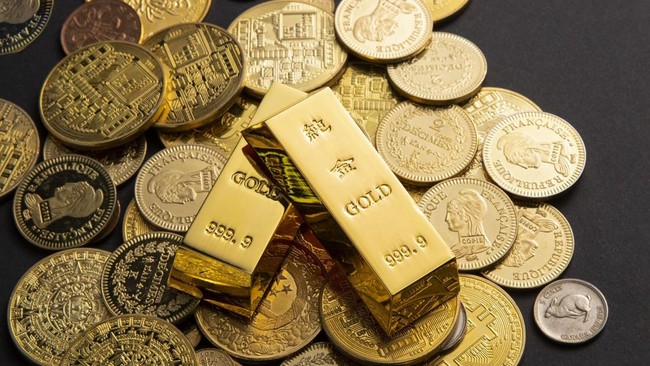
The Republic of Indonesia once secretly sold 7 tonnes of gold and 8,000 tonnes of rubber abroad without going through official channels. The move was made when the government needed funds to run the wheels of government while maintaining independence from the Netherlands.
In the early days of independence, the Republic’s financial condition was severely limited. The Netherlands also sought to cripple the Indonesian economy through a blockade. Official trade routes were difficult to use, so the government had to find other ways to ensure that the Republic’s wealth could still generate money and not fall into Dutch hands.
One such asset was gold. Gold from the Cikotok mine in Banten became an important commodity to be smuggled abroad. The smuggling was carried out secretly by train to Yogyakarta.
According to Indonesian diplomat Aboe Bakar Lubis in Kilas Balik Revolusi (1992), the gold was then placed at the head office of Bank Nasional Indonesia to be transported by plane to Maguwo Airport. The transport was carried out quietly using trucks and ox carts covered with foliage so as not to be detected by Dutch troops or spies. From Maguwo, the gold was flown via the Philippines before finally arriving in Macau.
Macau was known at the time as one of the world’s gambling centres with a large turnover of money. The hope was that the Republic’s gold could be sold quickly and converted into funds. The seven tonnes of gold were reportedly sold for around Rp140 million. The proceeds were used to finance the Republic’s struggle, including diplomatic needs and the operations of Indonesian representatives abroad.
However, gold was not the only Republic asset moving through secret channels. Previously, plantation products were also traded clandestinely to obtain income amid the Dutch blockade. One of the figures who played a role in these activities was Adnan Kapau Gani, known as A.K. Gani. In the book Bung Karno: Penyambung Lidah Rakyat Indonesia (1966) by Cindy Adams, Soekarno recounted Gani’s actions in helping the Republic’s struggle.
“Gani smuggled 9 kg of gold and 300 kg of silver from Sumatra as payment for 20,000 army uniforms. Gani smuggled rubber, 8,000 tonnes in one go,” Soekarno said.
Gani himself once claimed to be the world’s biggest smuggler. In a report by journalist Tom Gurr published in The Sun newspaper on 8 December 1947, Gani said: “I am the biggest smuggler in the world.”
In the interview, Gani explained that the claim arose because he smuggled commodities or goods worth millions of dollars from Indonesia to Singapore and vice versa. The report stated that rubber, tea, sugar and other plantation commodities worth US$150 million managed to pass through the Dutch naval blockade to be sold to Chinese traders in Singapore.
This trade was important because the proceeds helped the Republic obtain funds and various necessities that were difficult to acquire through official channels. In wartime conditions, agricultural products became one of the sources that could be exchanged for money and supplies to sustain the struggle.