
7 Signs Your Work Is Disrupting Your Personal Life
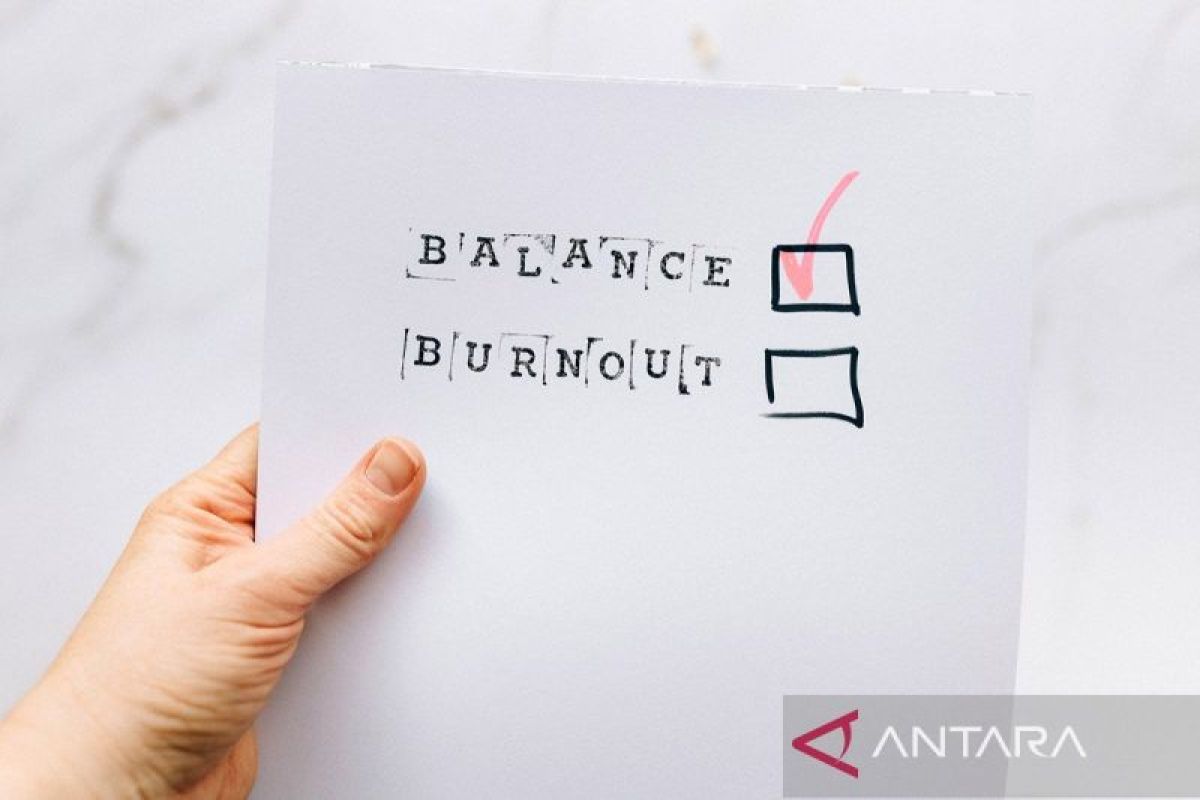
Jakarta (ANTARA) - Work is an important part of life, particularly for meeting daily needs and developing a career. However, when work takes up too much time and mental energy, it can become difficult to enjoy life outside the professional sphere.
This often goes unnoticed because being busy is seen as part of one’s responsibilities. But when work repeatedly disrupts rest, social relationships and personal activities, the balance between work and personal life, or work-life balance, may begin to suffer.
According to the NHS, working longer than scheduled, continuing to do tasks while on holiday and having less time for activities one enjoys can all be signs that someone is struggling to maintain boundaries between work and personal life.
So what are the signs? Here are seven things to look out for.
- Always checking work messages outside working hours
One of the easiest signs to recognise is the habit of constantly checking messages, emails or office group chats after working hours have ended.
At first, you may simply want to make sure you have not missed any important information. But if you feel you must always be ready to reply to a manager or colleague at any time, the boundaries around your personal time are gradually disappearing.
- Finding it hard to stop thinking about work while resting
Even when you are at home or enjoying the weekend, your mind is still occupied with office matters.
You may keep thinking about deadlines, unfinished tasks or problems at work that you will have to deal with the following day. As a result, time off no longer feels enjoyable because you cannot fully switch off from work.
- Frequently sacrificing time with family and friends
Have you ever cancelled plans with friends because of an unexpected work demand? If it happens occasionally, it may be understandable.
But if you keep missing family events, meet-ups with friends or activities with loved ones to finish work, it is worth paying attention to.
Social relationships need time and attention. Neglecting them too often can cause your relationships with those closest to you to become increasingly distant.
- Giving up hobbies and personal activities
Activities such as exercising, reading, playing music or simply watching a film may once have been part of your routine.
Recently, however, you may have been doing them less often because you feel too busy or tired after work.
If nearly all your time and energy go towards work, you may lose the opportunity to do things that help maintain your happiness and wellbeing.
- Losing sleep because of work
Work that continues into the evening can reduce the time available for sleep. Some people even choose to finish tasks late at night or wake up early to catch up on work.
If this habit continues, the body does not get enough time to recover. The effects can include fatigue, difficulty concentrating and changes in mood.
- Feeling guilty when you are not working
Another sign is feeling guilty when you are resting or doing personal activities.
You may feel that you should be getting more work done, even though you have worked your scheduled hours. Even taking leave may feel uncomfortable because you worry that you will be seen as lacking dedication.
But rest is a necessity, not a sign that someone is irresponsible about their work.
- Your physical and mental health is beginning to suffer
When work keeps taking over your personal time, the resulting pressure can affect your health.
Possible symptoms include fatigue, headaches, sleep problems, difficulty concentrating and a loss of motivation. You may also become more irritable or withdraw from social life.
If the pressure continues over the long term, the risk of work-related stress and burnout should also be taken seriously.
The importance of maintaining boundaries between work and personal life
If you are beginning to experience several of these signs, try reassessing your daily working patterns. Start by setting limits on working hours, switching off office notifications when you are off duty, and setting aside dedicated time for family, friends and yourself.
If your workload feels too heavy, discuss the situation with your manager or human resources (HR) to find a solution, such as adjusting priorities or redistributing tasks.
The American Psychological Association (APA) also emphasises the importance of establishing clear boundaries between work and personal life so that people have the opportunity to restore their energy.
Ultimately, working hard is important for achieving career goals. But work should not take up every part of life. You still need time to rest, maintain social relationships and enjoy activities outside the office.
Source: jawawa.id (https://jawawa.id/newsitem/7-signs-your-work-is-disrupting-your-personal-life-1795604198)
Originally published by Antara (Indonesian) (https://www.antaranews.com/berita/5877863/7-tanda-kehidupan-pekerjaan-anda-sudah-mengganggu-waktu-pribadi), translated from Indonesian