
7 signs of a volcanic eruption that need to be known
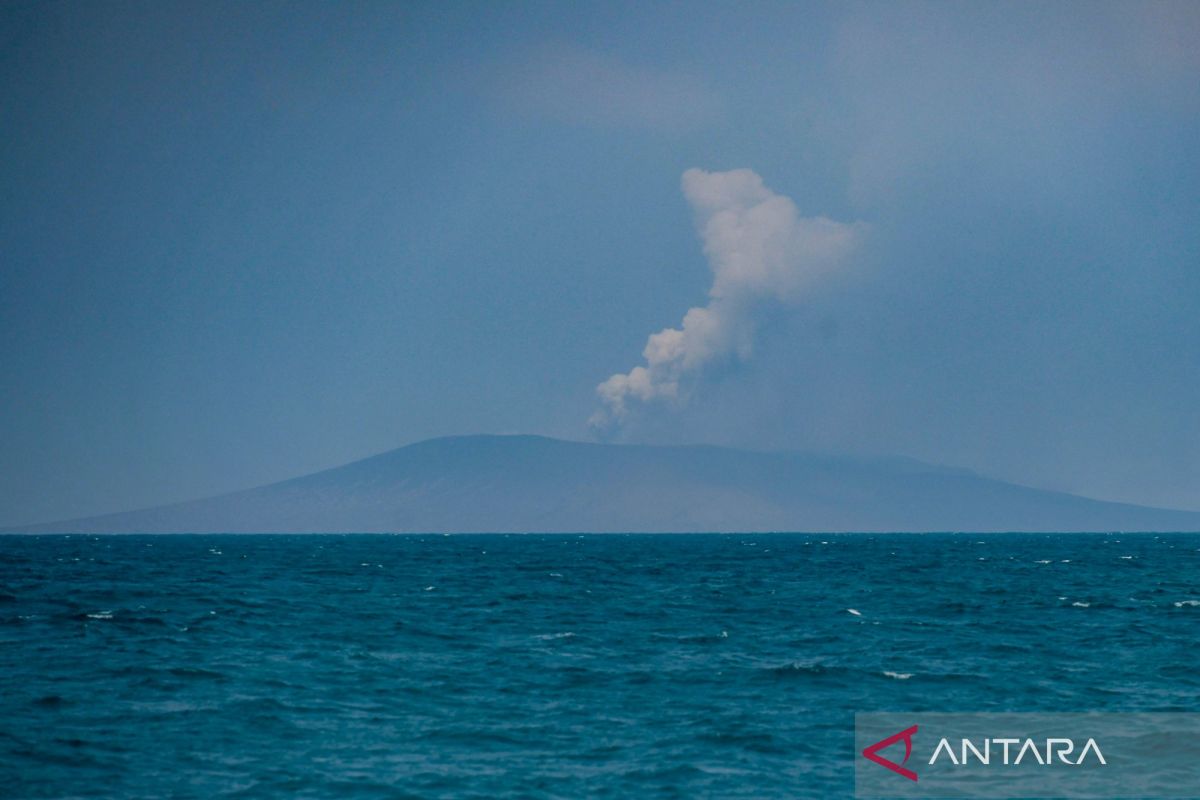
Jakarta (ANTARA) - Volcanic activity in Indonesia has returned to the spotlight after Mount Anak Krakatau in the Sunda Strait experienced continuous eruptions on 5 September 2026. The Geological Agency noted that the volcano’s volcanic activity is ongoing, with its status currently at Level III (Alert). During monitoring on 6-7 September, several types of volcanic earthquakes were recorded, including eruption earthquakes, inflation earthquakes, low-frequency earthquakes, and hybrid or multi-phase earthquakes.
These conditions indicate that volcanic eruptions do not always occur without warning. Before volcanic material reaches the surface, there are usually changes in the volcanic system that can be monitored using various instruments.
However, these signs do not necessarily mean that every change will inevitably lead to an eruption. Experts must examine various parameters simultaneously to determine whether volcanic activity is increasing or returning to normal.
So, what are the signs of a volcanic eruption that need to be known?
- Increasing frequency of volcanic earthquakes
One of the vital parameters monitored is seismic activity. When magma moves upwards or pressure changes occur within the mountain, surrounding rocks can fracture. This process can generate volcanic earthquakes. If the number or type of earthquakes increases compared to the volcano’s normal condition, it can serve as an indicator of changing activity. However, a single earthquake does not immediately signal an eruption. Volcanologists typically observe earthquake patterns over a specific period and compare them with other parameters. At Mount Anak Krakatau, for instance, the Geological Agency recorded various types of earthquakes during the September 2026 eruption activity. This data forms part of the evaluation of the volcano’s activity development.
- Deformation or changes in the mountain’s shape
When magma moves and accumulates beneath the surface, pressure within the volcanic system can increase. This condition can cause the mountain’s surface to swell slightly or undergo positional changes. These changes may be extremely minute and invisible to the naked eye. Therefore, experts use tools such as GPS, tiltmeters, and other measurement methods to detect them. Research by the Geological Agency on Mount Papandayan, for example, shows a relationship between changes in volcanic deformation and seismic activity.
- Changes in volcanic gases
Magma carries various types of gases that can escape through craters or fissures in the mountain. When conditions inside the volcano change, both the amount and composition of the released gases can change. Consequently, measuring volcanic gases is a key part of monitoring volcanic activity. These gas changes cannot always be identified simply by looking at the crater; specialised measurement and analysis are required to determine if significant changes have occurred.
- Increase in temperature
An increase in temperature can also be a sign of changing volcanic activity. If magma moves closer to the surface, heat from deep within the earth can affect the area around the crater. This can be observed through changes in the temperature of the crater, crater lakes, or fumarole activity. Nevertheless, a change in temperature cannot be directly interpreted as an imminent eruption; the data must still be compared with other monitoring results.
- Changes in smoke or emissions from the crater
Active volcanoes can emit smoke or steam under normal conditions. Therefore, the appearance of smoke alone does not necessarily mean an eruption is imminent. What is more important is a change from the usual condition. For example, an increase in the intensity of emissions, changes in colour, or the appearance of volcanic material. Such changes are then observed alongside data on seismicity, gases, deformation, and other parameters.
- Changes in crater water
For volcanoes that possess crater lakes, changes in water conditions can also be a monitored parameter. Changes in colour, temperature, or water condition may relate to changes in the hydrothermal system beneath the mountain. However, these changes can also be influenced by other factors and cannot be used as the sole benchmark for predicting an eruption.
- Sounds of rumbling or explosions
An increase in activity within the mountain can sometimes be accompanied by rumbling sounds, thuds, or changes in activity around the crater. However, sounds from a volcano are not a single indicator that can be used to confirm an eruption. Such sounds must be viewed alongside other monitoring data. Therefore, the public should not panic immediately upon hearing sounds from a volcano. Official information from PVMBG and the Geological Agency is far more important in determining the volcano’s condition.
Not all signs mean an eruption will occur immediately
This is a crucial point to understand. A volcano is a highly complex system. An increase in earthquakes, changes in the mountain’s shape, gas changes, or temperature increases can indeed indicate changing activity. However, these signs do not automatically mean a large eruption will occur in the near future. Magma activity can decrease or cease before reaching the surface. Therefore, volcanologists use many parameters simultaneously to determine the development of volcanic activity. Monitoring is conducted continuously so that changes in conditions can be identified as early as possible.
Knowing the signs of volcanic activity does not mean the public should attempt to predict when a volcano will erupt on their own. On the contrary, this knowledge helps the public understand why a volcano’s status may be raised or lowered by the authorities. When activity increases, residents living in high-risk areas must pay closer attention to official information and recommendations from PVMBG, the Geological Agency, local governments, and disaster management agencies.