
7 Iron-Rich Foods to Help Prevent Anaemia
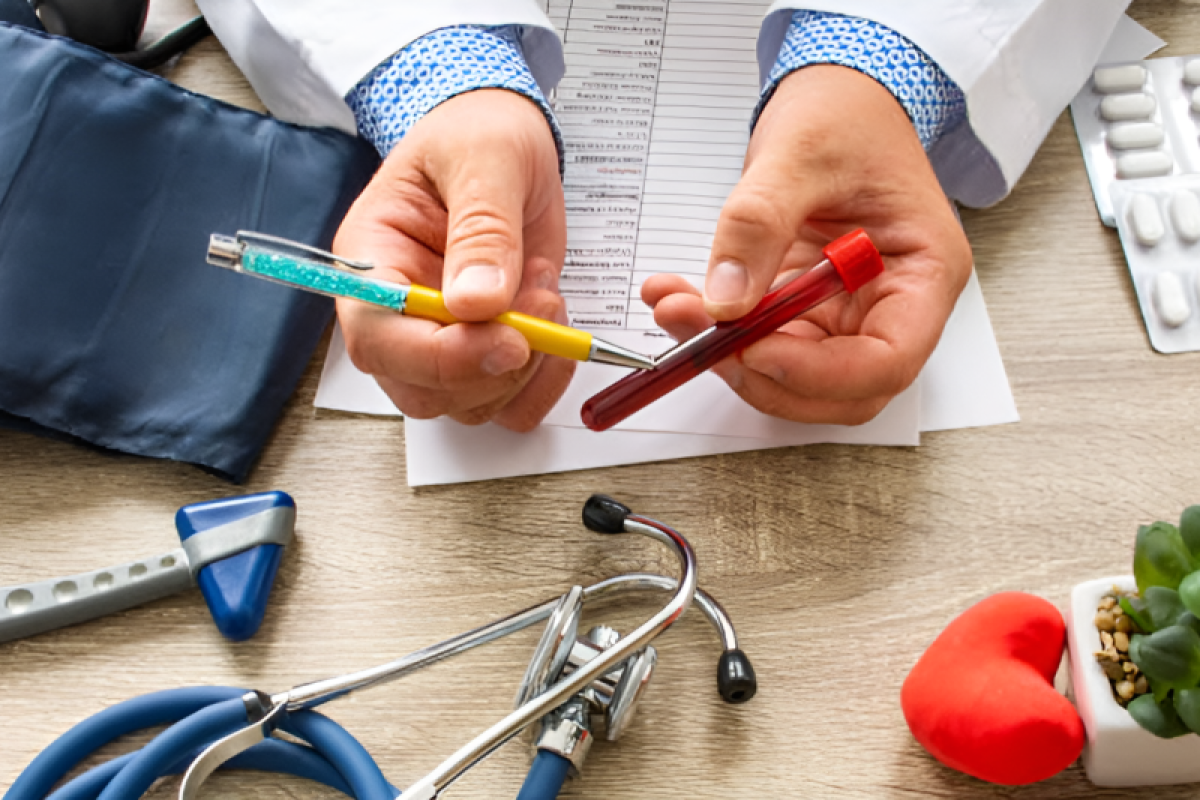
Jakarta (ANTARA) – Anaemia is a condition in which the body lacks healthy red blood cells or has haemoglobin levels below the normal range. It can cause tiredness, weakness, dizziness and shortness of breath during activity.
A common cause is iron deficiency. The body needs this mineral to make haemoglobin, which carries oxygen to tissues throughout the body.
The World Health Organization (WHO) estimates that around 30 per cent of women aged 15 to 49 worldwide have anaemia. This shows that anaemia remains a public health problem, particularly among women who menstruate, pregnant women and children.
One way to help prevent iron-deficiency anaemia is to meet the body’s iron needs through everyday food. Sources include both animal and plant foods, from meat, fish and eggs to pulses and green vegetables.
Here are several iron-rich foods that can be included in daily meals.
- Red meat
Red meat, such as beef, is a source of iron that can help meet the body’s needs. Most iron in animal foods is in the form of haem iron, which is generally absorbed more easily than non-haem iron from plants.
Meat also contains protein and vitamin B12, which contribute to red blood cell production. It can form part of a balanced diet, while taking care with portion sizes and choosing cuts that are not excessively fatty.
- Chicken and beef liver
Chicken and beef liver are animal-based sources of iron. Their iron content can help meet the body’s need for this mineral, which is required to make haemoglobin.
Liver also contains vitamin B12 and folate, which contribute to red blood cell production. However, consumption should take individual health circumstances into account. Pregnant women should avoid liver and liver products because their high retinol-form vitamin A content may pose a risk to the foetus. Other sources of iron can be discussed with a health professional.
- Fish and seafood
Fish, clams and oysters can help meet daily nutritional needs. Some seafood contains haem iron, which is relatively easier for the body to absorb than iron from plants.
Fish also provides protein and vitamin B12, which support red blood cell production. Including fish and seafood in a varied menu can help maintain a balanced nutrient intake.
- Dark green leafy vegetables
Dark green leafy vegetables, such as spinach and broccoli, contain iron and can help meet the body’s needs. Indonesia’s Ministry of Health also lists dark green vegetables as a source of iron to support anaemia prevention.
However, the iron in vegetables is non-haem iron and is not absorbed as well as iron from meat. Green vegetables should therefore be eaten with foods containing vitamin C to improve iron absorption.
Possible dishes include stir-fried spinach, broccoli soup or green vegetables served with a protein-rich side dish.
- Pulses
Kidney beans, mung beans, peas and lentils are plant-based sources of iron that can be included in everyday meals. They also provide plant protein and fibre.
According to data from the National Institutes of Health (NIH), half a cup of cooked lentils contains about 3 milligrams of iron. This can contribute to daily needs, although the absorption of iron from plant sources is affected by the other foods eaten with them.
Pulses can be made into soup, mung bean porridge or a side dish served with rice. Pairing them with fruit rich in vitamin C may also help the body absorb iron more effectively.
- Tofu and tempeh
Tofu and tempeh are readily available plant-based protein options in Indonesia. Both contain iron and can be alternatives for people who limit meat or follow a vegetarian diet.
Indonesia’s Ministry of Health lists tofu and tempeh among foods that can help prevent anaemia caused by iron deficiency.
To improve iron intake, tofu and tempeh can be combined with vegetables and fruit containing vitamin C, such as tomatoes, oranges or guava.
- Iron-fortified foods
As well as naturally occurring foods, some products are fortified with iron. Examples include breakfast cereals and certain flour-based products to which minerals are added during production.
Iron content varies between products, so consumers can check the nutritional information on the packaging before buying. Fortified products can provide an additional way to help meet daily needs, particularly as part of a varied diet.
How to help the body absorb iron more effectively
Choosing iron-rich foods is not enough on its own. The body also needs to absorb the mineral so that it can be used to make haemoglobin.
One way to do this is to eat foods containing vitamin C alongside iron sources, especially plant-based ones. Oranges, guava, papaya, tomatoes and broccoli can be included in everyday meals. Vitamin C helps increase the absorption of non-haem iron from plant foods.
By contrast, tea and coffee should not be consumed close to meals that are a main source of iron, as their polyphenol content can inhibit the mineral’s absorption. WHO recommends leaving around one to two hours between drinking tea or coffee and eating.
Iron requirements vary according to age, sex and physical condition. NIH recommendations state that men aged 19 to 50 need around 8 milligrams of iron per day, while women in the same age group need around 18 milligrams.
The requirement is higher during pregnancy, at around 27 milligrams per day. These figures are guidelines for daily intake and may vary depending on the recommendations used.
Although dietary intake plays an important role in helping to prevent anaemia, the condition is not always caused by iron deficiency. Folate or vitamin B12 deficiency, chronic disease, infection and blood loss can also be causes.
People who often feel tired, look pale, feel dizzy or experience shortness of breath should therefore seek a medical examination to identify the cause.
If iron-deficiency anaemia has been diagnosed, dietary changes may need to be accompanied by treatment recommended by a health professional. Iron supplements should not be taken without guidance, as the appropriate need and dosage depend on each person’s circumstances.
Source: jawawa.id (https://jawawa.id/newsitem/7-iron-rich-foods-to-help-prevent-anaemia-1794210706)
Originally published by Antara (Indonesian) (https://www.antaranews.com/berita/5841175/7-makanan-sumber-zat-besi-untuk-membantu-mencegah-anemia), translated from Indonesian