
7 Facts Surrounding the Temporary Ceasefire Between the US and Iran
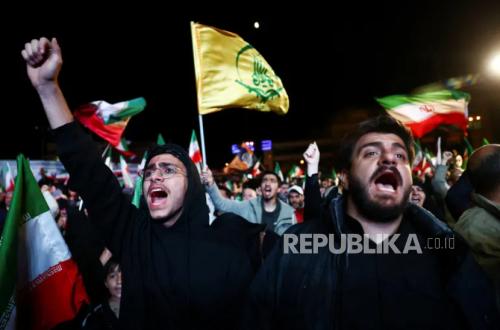
In a development reflecting a shift in the escalation trajectory, US President Donald Trump announced the achievement of a temporary ceasefire with Iran, effective for two weeks.
This step was taken after weeks of increasingly heated confrontations and reciprocal threats that placed the region on the brink of a major explosion, amid mounting international pressure to dampen the crisis and ensure the stability of global energy markets.
While attention now turns to what this limited timeframe will yield: a real opportunity to ease tensions or a return to escalation.
In this context, Newsweek magazine has identified the main points to understand this agreement and what the American public needs to know:
First, the role of mediation by Pakistan
Pakistan played a central role in pushing for the achievement of the ceasefire. Pakistani Prime Minister Shehbaz Sharif proposed an immediate ceasefire initiative on all fronts, including the Lebanese front, following a negotiation track over 15-20 days to achieve a broader agreement.
Trump indicated that communication with Pakistani leadership, including military institutions, contributed to the decision to suspend attacks and provide an opportunity for a diplomatic solution.