
7 Everyday Habits That Can Help Control Blood Sugar
Jakarta (ANTARA) - Keeping blood-sugar levels under control is an important step in maintaining good health. This is relevant not only for people with diabetes, but also for those seeking to reduce their risk of metabolic disorders in the future.
Blood-sugar levels can be affected by various factors, including diet, physical activity, sleep quality and stress. Managing blood sugar does not always require major changes: simple habits practised consistently can also help the body regulate glucose more effectively.
So what everyday habits can help control blood sugar? Here are some suggestions.
- Manage portion sizes and food composition
The first habit is to pay attention to the portions and types of food consumed each day.
Carbohydrates such as rice, bread, noodles, potatoes and sweet foods are broken down by the body into glucose, which is then used as an energy source. However, the amount of carbohydrate consumed can affect the rise in blood-sugar levels.
This does not mean that you should avoid carbohydrates altogether. Instead, choose carbohydrate sources that are higher in fibre, such as whole grains and pulses, and be mindful of portion sizes.
You can also use the plate method: fill half the plate with non-starchy vegetables, a quarter with protein sources such as fish, eggs, chicken or tofu, and the remaining quarter with carbohydrate-rich foods.
A balanced diet helps regulate nutrient intake and supports blood-sugar control.
- Make walking and staying active part of your routine
Physical activity is an important habit for helping to control blood-sugar levels. When you move, your muscles use glucose for energy, so physical activity can help lower blood sugar.
You do not have to begin with strenuous exercise to benefit. Start by walking for about 10 minutes after a meal, taking the stairs instead of the lift when possible, or making time to stand up and move during work breaks.
Adults are generally advised to do at least 150 minutes of moderate-intensity physical activity per week. This can be divided into several sessions according to your ability and daily schedule.
If you have diabetes and use insulin or medicines that can cause low blood sugar, consult a doctor about the type and timing of exercise that is safe for you.
- Limit sugary drinks
Sugary drinks are often an unrecognised source of added sugar. Sweet tea, fizzy drinks, coffee with plenty of syrup and packaged drinks can increase daily sugar intake.
Consuming these drinks in excess can make blood-sugar control more difficult, particularly for people who already have diabetes.
As an alternative, make water your regular choice for meeting your fluid needs. You can also choose tea or coffee without added sugar, according to your preference.
It is also better to choose whole fruit rather than fruit juice with added sugar. Whole fruit contains fibre, which can help slow carbohydrate absorption.
This simple habit can help reduce added-sugar intake without requiring you to change your entire diet at once.
- Eat fibre-rich foods
Fibre is an important part of a healthy diet because it can slow digestion and carbohydrate absorption, helping to moderate the rise in blood sugar after meals.
Fibre is found in a range of readily available foods, including leafy vegetables, carrots, apples, pears, pulses and whole grains.
You can start by adding vegetables to lunch and dinner, choosing whole fruit as a snack, or replacing some carbohydrate sources with higher-fibre options.
Bear in mind, however, that fibre-rich foods can also contain carbohydrates. The amount and type of food should therefore still be adjusted to your needs, particularly if you have diabetes and a specific carbohydrate intake target.
- Keep meal times regular
Skipping meals or eating at irregular times can make blood-sugar management more difficult for some people, especially those taking certain diabetes medicines.
Keeping to a regular meal schedule can help align food intake with energy needs and treatment plans.
Try to set meal times that fit your daily routine. If you need a snack between meals, choose something with a suitable nutritional balance, such as a moderate portion of whole fruit or pulses without excessive added sugar.
Meal schedules do not have to be the same for everyone. Individual needs vary depending on the type of diabetes, physical activity, health and medicines being used.
If you use insulin or medicines that may cause hypoglycaemia, do not skip or delay meals without understanding how this could affect your blood-sugar levels.
- Get enough sleep regularly
Sleep quality also plays a role in blood-sugar management. Lack of sleep can affect the hormones that regulate metabolism and the body’s response to insulin.
If poor sleep continues, it may make blood-sugar control more difficult, particularly for people with diabetes or those at risk of type 2 diabetes.
To support good sleep, try to keep consistent bedtimes and waking times. Avoid consuming caffeine too close to bedtime and make your bedroom a comfortable place to rest.
Most adults are generally advised to sleep for around seven to nine hours each night.
Although sleep needs vary, making sure you get enough rest is one way to support overall metabolic health.
- Manage stress
Stress affects more than mood; it can also influence blood-sugar levels.
When you are stressed, the body releases certain hormones that can affect glucose regulation. For people with diabetes, this response can make blood-sugar levels harder to control.
To help manage stress, you could try breathing exercises, a gentle walk, a hobby, listening to music or talking to someone you trust.
Not every method suits everyone, so choose activities that help you feel calmer and that you can practise consistently.
If stress persists and begins to interfere with daily activities, consider seeking help from a health professional.
When should you check your blood-sugar levels?
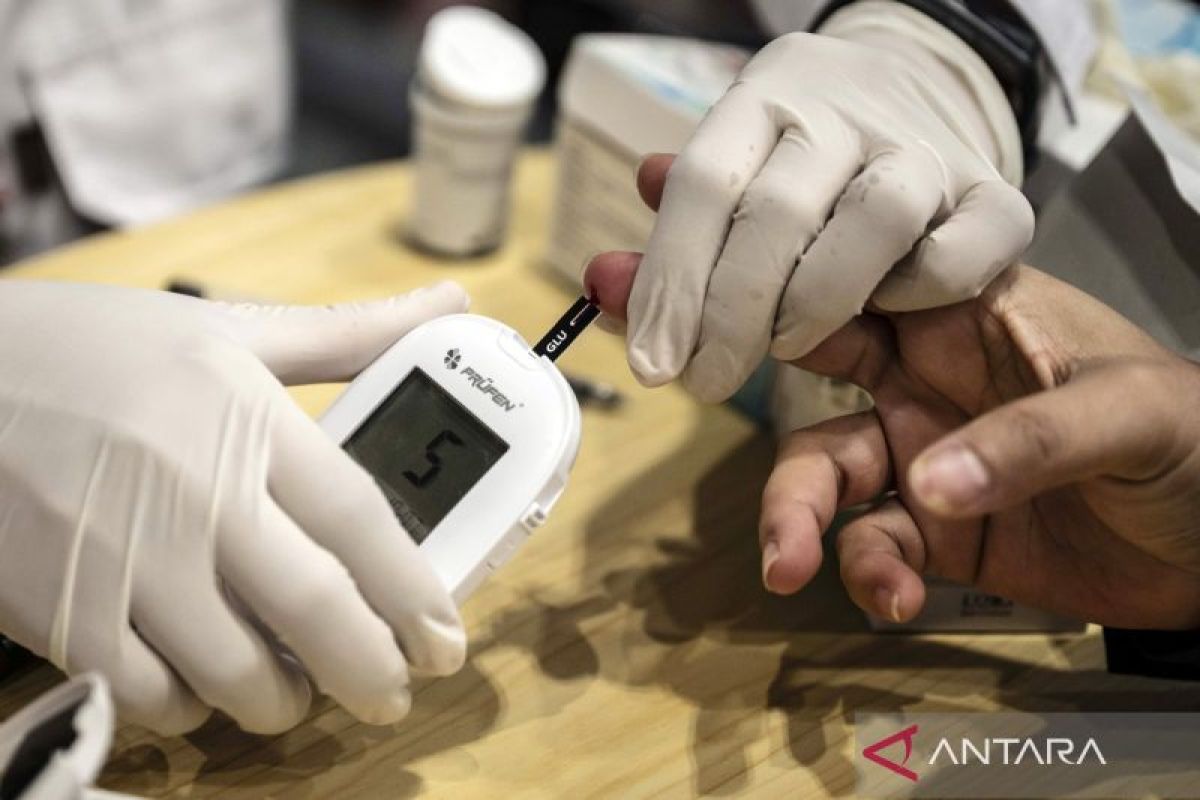
Alongside healthy habits, blood-sugar testing is also important for people with diabetes or certain risk factors.
For people with diabetes, testing frequency should be tailored to the type of diabetes, treatment and advice from a health professional. Test results can help show how the body responds to food, physical activity and medication.
People who have not been diagnosed with diabetes can consult a doctor to determine whether screening is needed, particularly if they have a family history of diabetes, are overweight or have other risk factors.
If you experience symptoms such as excessive thirst, frequent urination, fatigue or blurred vision, you should seek medical advice. These symptoms do not always indicate diabetes, but should be assessed if they occur repeatedly.
For people already diagnosed with diabetes, these habits should be accompanied by treatment and monitoring as recommended by a doctor. This allows blood-sugar management to be more focused and tailored to the body’s needs.
Source: jawawa.id (https://jawawa.id/newsitem/7-everyday-habits-that-can-help-control-blood-sugar-1794383742)
Originally published by Antara (Indonesian) (https://www.antaranews.com/berita/5846251/7-kebiasaan-sehari-hari-yang-bisa-bantu-kontrol-gula-darah), translated from Indonesian