
7 Business Ideas in High Demand as Air Quality Deteriorates
Jakarta, CNBC Indonesia – Deteriorating air quality can drive changes in public behaviour. When air pollution rises, demand for products and services that help maintain comfort and cleanliness in living spaces is also likely to increase.
This situation can also present opportunities for business owners. However, the products offered should not merely follow trends. Business owners need to pay attention to product benefits, safety, quality, and the claims made to consumers.
Below are several business ideas worth considering when air quality worsens.
- Selling Air Purifiers and Replacement Filters
Air purifiers can be one of the most sought-after products when people want to reduce exposure to particles indoors.
The opportunity does not come only from selling purifier units. Business owners can also offer replacement filters, filter replacement services, and device rental for homes, offices, apartments, and commercial premises.
A recurring-need business model, such as filter sales, can be an alternative, as consumers need to replace these components periodically depending on the device type and usage conditions.
Business owners should provide clear information about the device’s capabilities, including the types of particles it can filter and the room size suited to the device’s capacity.
- Selling Quality Masks
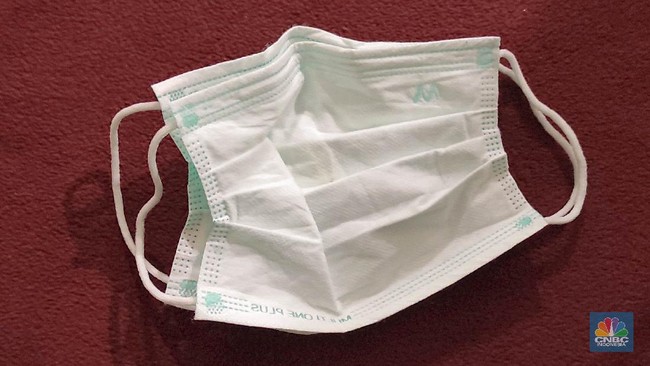
Masks are another product that may see increased demand when people pay closer attention to air quality.
Products such as N95, KN95, and KF94 masks can be offered along with information on standards, specifications, and correct usage.
For sellers, the important aspect is not only price but also product authenticity and information on filtration capability. Consumers need transparent information so they do not purchase products based solely on labels or marketing claims.
Business opportunities can also be developed through bulk sales for companies, schools, communities, or outdoor events.
- Indoor Ornamental Plants
Indoor ornamental plants such as snake plants (lidah mertua) and pothos (sirih gading) are often associated with indoor air quality.
However, business owners should not market these plants as though they can replace air purifiers or ventilation systems. Plants’ ability to improve air quality in everyday home or office conditions cannot be equated with air-filtering devices.
The more realistic opportunity lies in developing a business around ornamental plants as interior decoration elements. Products can be paired with pots, plant racks, maintenance services, and decoration packages for homes and offices.
- Skincare and Facial Cleansing Products
Pollution and dust can also become a consumer concern in skincare routines. This opens opportunities for skincare businesses, especially facial cleansers and daily skincare products.
Business owners can offer facial wash, cleansers, moisturisers, and other care products suited to consumer needs.
Even so, terms such as “anti-pollution” should be used carefully. Products should not be marketed with claims that skincare can protect consumers from all health impacts of air pollution.
A safer strategy is to explain the product’s function based on its ingredients, cosmetic benefits, and usage instructions that can genuinely be accounted for.
- Products Supporting Eye Comfort
Dusty air or an uncomfortable environment can cause some people to experience dry or irritated eyes.
This can be an opportunity for health shops, pharmacies, and e-commerce platforms that provide eye care products in accordance with regulations and consumer needs.
For products such as eye drops, sellers need to observe sales regulations and provide correct usage information. Products should not be marketed with claims that they can “cure” the effects of pollution without adequate basis.
Meanwhile, sales of vitamins or supplements should also not be directly linked to the ability to prevent the effects of air pollution unless there is a scientific basis and the appropriate permits.
- Air Conditioner and Ventilation Cleaning Services
When people spend more time indoors, the cleanliness of air conditioners and ventilation systems becomes an aspect worth attention.
Dust and dirt accumulating in these devices may mean air conditioners require maintenance. This opens opportunities for air conditioner washing businesses, filter cleaning, and ventilation system maintenance.
Business owners can offer regular services for homes, offices, restaurants, shops, and commercial buildings.
A subscription model can also be an option, for example with cleaning packages every few months so customers do not need to place an order each time maintenance is required.
- Room Cleaning and Maintenance Services
Beyond air conditioners, cleaning service businesses can be developed to help maintain the cleanliness of surfaces and indoor environments.
Services can include cleaning homes, offices, carpets, sofas, mattresses, and other areas where dust easily accumulates.
Business owners can also offer additional services such as air conditioner filter cleaning or ventilation area cleaning, according to their capabilities and equipment.
Terms such as “room sterilisation” or “pollution removal” should be used carefully. Disinfectant spraying does not automatically remove pollution particles from the air. If offering air treatment services, business owners need to explain the methods and functions of the service specifically.
Opportunities Exist, But Do Not Rely Solely on Pollution Trends
Worsening air quality can indeed create new needs in society. However, sustainable business opportunities should not depend only on temporarily elevated pollution levels.
Business owners can choose business models with recurring needs, such as air purifier filter replacement, air conditioner maintenance, regular cleaning services, or sales of daily necessities.
In addition, consumer education is an essential part. Health and personal protection products carry different consequences from ordinary household products. Therefore, business owners must ensure the products they sell comply with applicable regulations and do not use exaggerated health claims.
With this approach, deteriorating air quality can be seen not only as an environmental phenomenon but also as a shift in consumer needs that can give rise to a variety of new business opportunities.