
7 Benefits of Zinc for Men, Including Support for Fertility
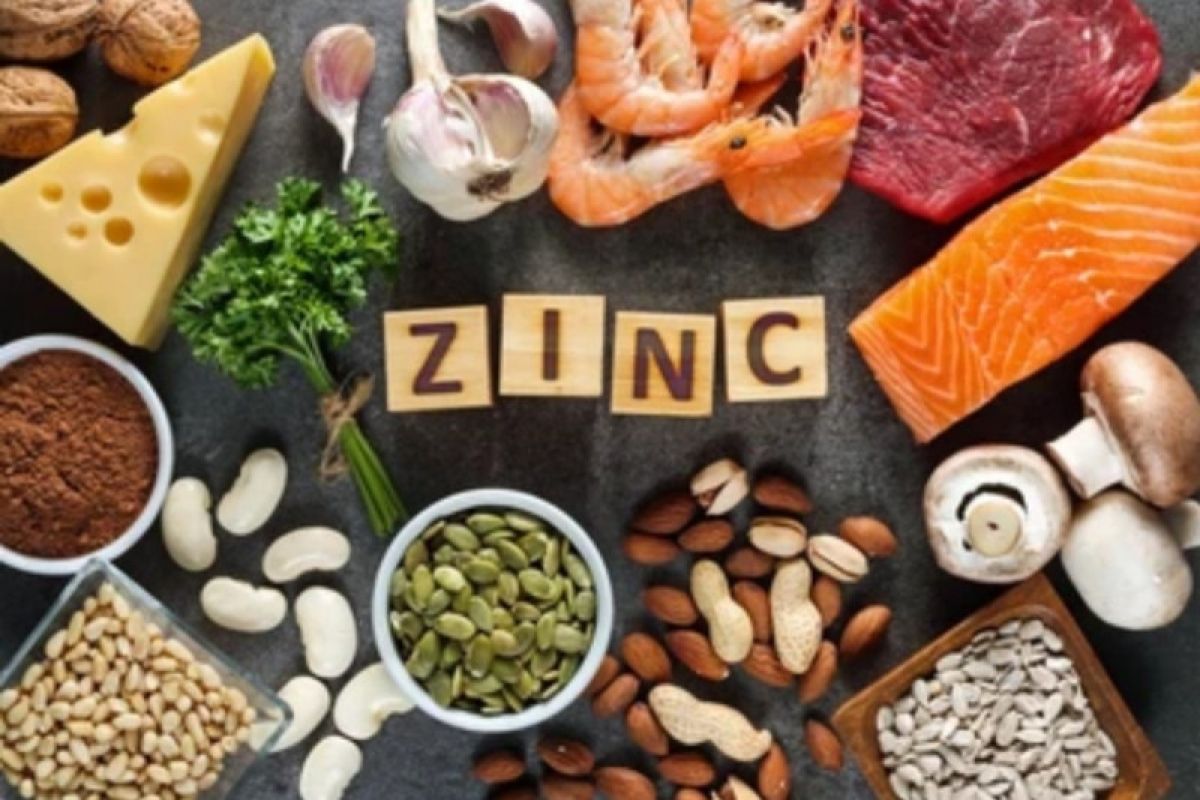
Jakarta (ANTARA) – Zinc is an essential mineral that the body needs to maintain health and support the functions of various organs. It plays a role in the immune system, protein formation, wound healing and the male reproductive system.
Zinc intake is often overlooked, even though the mineral is important for men’s health, particularly sperm production. Getting enough zinc also helps the body carry out various biological processes effectively.
So, what are the benefits of zinc for men? Here are seven to know.
- Supports sperm quality and production
One of the benefits of zinc most commonly associated with men’s health is its role in the reproductive system. The mineral is involved in testicular development, sperm production, or spermatogenesis, and the maintenance of reproductive cell function.
Adequate zinc levels are needed to support a healthy reproductive environment. Zinc deficiency may disrupt reproductive function and is associated with lower sperm quality.
A scientific review published in the journal Antioxidants in 2025 examined the relationship between zinc levels and male fertility, including links with sperm concentration, motility and quality.
- Helps maintain the immune system
Zinc plays an important role in keeping the immune system functioning properly. It helps the development and activity of immune cells, which identify and fight bacteria and viruses.
Adequate zinc intake also helps the body maintain a normal immune response. Conversely, a deficiency can impair immune function, making the body more vulnerable to infection.
- Supports hormone production and reproductive function
Zinc is involved in various metabolic processes linked to hormone function and the male reproductive organs.
Adequate levels of the mineral are needed to support testicular function and biological processes related to reproduction. However, taking additional zinc does not automatically increase testosterone levels in men who already get enough zinc.
For this reason, meeting daily zinc requirements is more important than taking high-dose supplements without knowing one’s health status.
- Helps wounds heal
Zinc also plays a role in tissue regeneration and wound healing. The body needs it to make proteins, divide cells and synthesise DNA.
These processes help the body repair tissue damaged by wounds or injuries. A zinc deficiency can slow healing, meaning wounds may take longer to recover.
- Maintains skin health
Another benefit of zinc is that it helps maintain healthy skin. The mineral plays a role in cell renewal, tissue formation and skin repair.
Zinc also helps regulate the body’s inflammatory response. Adequate intake is therefore needed to support healthy skin.
However, zinc is not the only factor affecting skin health. Hygiene, diet, hydration and skincare also matter.
- Supports protein and DNA formation
The body needs zinc for various metabolic processes, including the formation of protein and DNA.
Protein builds and repairs body tissue, including muscle. DNA is the genetic material that stores important information for cell growth and function.
These roles make zinc necessary for cell division, tissue maintenance and the regeneration of the body’s cells.
- Helps maintain the senses of taste and smell
Zinc also plays a role in maintaining the senses of taste and smell. The mineral is needed for biological processes that help the body recognise different flavours and aromas.
If the body is deficient in zinc, a person may experience changes in their ability to taste food or smell certain things. This can sometimes affect appetite, as food may taste different from usual.
How much zinc do men need each day?
Zinc requirements vary according to age and health. According to the National Institutes of Health (NIH), the recommended daily intake for adult men aged 19 and over is 11 milligrams (mg).
The tolerable upper intake level for adults is 40 mg a day from all sources, including food and supplements. Long-term excessive zinc intake can interfere with copper absorption and cause side effects.
Foods that contain zinc include:
Beef.
Chicken.
Oysters and seafood.
Eggs.
Milk and dairy products.
Legumes.
Pumpkin seeds.
A balanced diet can help meet zinc requirements without relying on supplements.
Can zinc supplements improve male fertility?
Although zinc plays an important role in the reproductive system, claims that zinc supplements improve male fertility should be treated with caution.
A study published in JAMA in 2020 involved 2,370 couples undergoing infertility treatment. It tested giving men a daily combination of folic acid and 30 mg of zinc for six months.
The supplementation did not increase live birth rates or most sperm-quality measures compared with the placebo group.
In line with these findings, guidelines from the American Urological Association and the American Society for Reproductive Medicine (AUA/ASRM) state that there is not yet sufficiently strong clinical evidence for the benefits of vitamin and antioxidant supplements in treating male infertility.
Zinc remains important for meeting nutritional needs and maintaining normal reproductive function. However, taking zinc supplements is no guarantee of improved fertility or faster conception.
Men experiencing fertility problems should consult a doctor to identify the cause and receive appropriate treatment.
Source: jawawa.id (https://jawawa.id/newsitem/7-benefits-of-zinc-for-men-including-support-for-fertility-1795607604)
Originally published by Antara (Indonesian) (https://www.antaranews.com/berita/5877975/7-manfaat-zinc-untuk-pria-bisa-dukung-kesuburan), translated from Indonesian