
7 alternative energy sources to replace petroleum, what are they?
Jakarta (ANTARA) - Petroleum has long been one of the world’s primary energy sources. Fuel for vehicles, aircraft, and ships, as well as various industrial activities, still rely heavily on processed petroleum products.
However, petroleum is a finite fossil fuel source. Its use also generates greenhouse gas emissions that contribute to climate change. Therefore, the development of alternative energy is a crucial part of efforts to reduce dependence on fossil fuels.
Alternative energy does not mean a single source can immediately replace all functions of petroleum. Some sources are more suitable for generating electricity, while others can be utilised as vehicle fuel or industrial raw materials.
Here are seven alternative energies that are being widely developed:
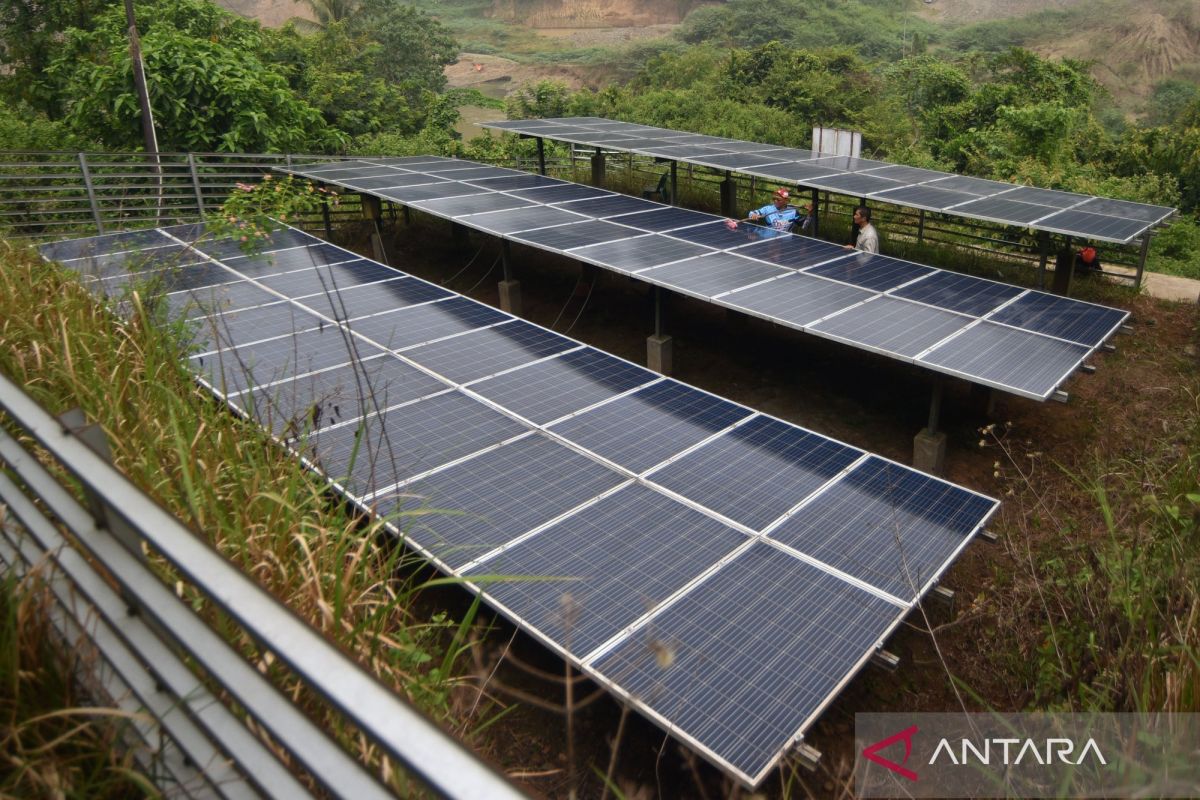
- Solar Energy
Solar energy utilises sunlight to generate electricity using photovoltaic panels. This energy source has become one of the most rapidly developing technologies in recent years.
The International Renewable Energy Agency (IRENA) noted that solar power was the largest contributor to the addition of renewable energy capacity globally in 2024. Of the total 582 gigawatts (GW) of new renewable energy capacity installed that year, approximately 452.1 GW came from solar power.
Solar power also does not require fuel combustion to generate electricity, meaning it produces no direct emissions during the generation process. However, electricity production from solar panels depends on sunlight availability. Therefore, batteries and robust grid systems are required to ensure electricity remains available when the sun is not shining.
- Wind Energy
Wind energy uses turbines to convert wind movement into electricity. Turbines can be placed on land or offshore.
IRENA noted that wind power was the second largest source in the addition of global renewable energy capacity in 2024, with an addition of approximately 114.3 GW. Like solar power, wind power plants do not require the burning of oil or coal to generate electricity. Its weakness is that electricity production depends on wind conditions, necessitating appropriate grid management and energy storage.
- Hydropower
Hydropower utilises the flow or fall of water to drive turbines. This technology is already used in various countries and is one of the mature renewable energy sources.
According to IRENA, global hydropower capacity reached approximately 1,277 GW by the end of 2024, excluding pumped storage capacity. Another advantage is that hydropower can provide flexibility to the electricity system. However, the construction of dams and large-scale power projects can impact the environment and require locations with suitable geographical conditions.
- Geothermal Energy
Indonesia is among the countries with significant geothermal potential. This energy utilises heat from within the earth to generate electricity or heat for specific needs.
Geothermal energy has the advantage of being able to operate relatively stably and does not depend on sunlight or wind. IRENA noted that global installed geothermal capacity reached approximately 15.4 GW by the end of 2024. Indonesia is among the five countries with the largest installed geothermal capacity in the world. Nevertheless, the development of geothermal projects requires significant exploration and initial investment. Plant locations also depend on the presence of suitable geothermal sources.
- Bioenergy and Biofuel
Bioenergy comes from organic materials such as plants, agricultural waste, wood waste, or other organic matter. This source can be used to produce electricity, heat, or fuel.
In the transport sector, biofuel can serve as an alternative to reduce fossil fuel use. An example is biodiesel, which can be made from vegetable oils and used as a diesel fuel blend. However, bioenergy must be managed carefully. The development of energy raw materials must not cause deforestation, disrupt food security, or create new environmental problems.
- Hydrogen
Hydrogen is one of the much-discussed alternative energies because it can be used as both a fuel and an energy storage medium. Hydrogen can be used in fuel cells to generate electricity. In this process, the primary byproduct is water when hydrogen reacts with oxygen.
However, hydrogen is not a primary energy source like the sun or wind. Hydrogen must first be produced using specific energy sources. Therefore, the environmental impact of hydrogen depends heavily on how it is produced. Hydrogen produced using electricity from renewable energy sources is often referred to as green hydrogen.
- Nuclear Energy
Nuclear energy differs from renewable energy sources, but it is often included in discussions regarding alternatives to fossil fuels. Nuclear power plants generate energy through fission reactions and can produce large amounts of electricity stably. During the generation process, nuclear plants do not burn oil or coal.
However, this technology faces its own challenges, including radioactive waste management, plant safety, and the need for large investments. Therefore, nuclear energy has different characteristics and challenges compared to renewable energy.
An important point to understand is that petroleum is not only used to generate energy. Part of the oil is used as a raw material for the petrochemical industry to produce plastics, chemicals, and various other products. Therefore, reducing dependence on oil requires more than just replacing petrol with electric vehicles.