
67 Futures Brokers Active, What Sets Them Apart?
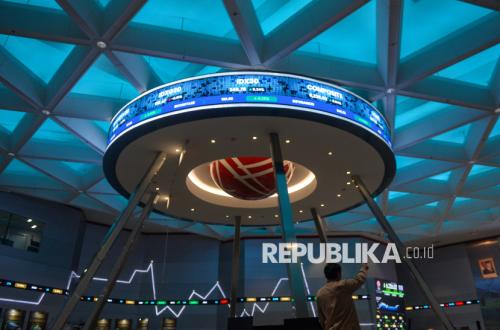
Competition within the futures brokerage industry is becoming increasingly intense as numerous companies offer relatively similar trading instruments and facilities. In such conditions, the quality of service becomes a decisive factor in determining the customer experience, ranging from the transaction process to the handling of service requirements.
The Commodity Futures Trading Regulatory Agency (Bappages) noted that there were 67 active futures brokerage companies in the first quarter of 2026. Most offer access to instruments such as gold, forex, and indices, while providing trading applications and demo accounts.
Differences in service become more apparent when these facilities are utilised in trading activities. The speed of fund withdrawals, spread sizes during rapid market movements, staff responsiveness, and the clarity of transaction terms are several aspects that can affect the customer experience.
Service experiences are also a frequent topic of discussion within trader communities, including Telegram and WhatsApp groups. Such interactions mean that customer experience regarding services can become a key consideration when choosing a broker.
Finex CEO Agung Wisnuaji stated that brokerage competition is not merely about a company’s position in transaction activity lists. According to him, service quality and the ease of transaction processes are also primary focuses for companies.
“We never target being number one on a list. Our target is to make trading easier and clearer for clients,” said Agung on Monday (14/09/2026) in a statement.
“We work on the products, accelerate deposit and withdrawal processes, and ensure there are people ready to assist when clients need help. If more traders choose us, that is the answer to whether this hard work is worth it,” he added.
Transaction activity is one of the indicators used to monitor the performance of exchange members. The Jakarta Futures Exchange (JFX) publishes a Broker Performance list monthly, providing an overview of the transaction activities of its members.
From January to July 2026, Finex held the first position in this list for six months. In February, Finex moved to second place, demonstrating that monthly rankings can fluctuate according to transaction activity in the current period.
“The monthly list only shows what traders did last month. It does not guarantee what they will do next month. That part must be continuously fought for,” he said.
In addition to transaction activity, regulatory assessments provide insight into broker compliance. In Bappebti’s periodic assessment for the January–March 2026 period, seven out of the 67 assessed brokers achieved the highest rating, with Finex being one of them.
These assessments cover compliance, financial integrity, transaction monitoring, anti-money laundering implementation, and the handling of customer complaints. Finex has maintained this rating for eight consecutive quarters.
Transaction activity rankings and regulatory assessments serve different functions in describing broker performance. Neither eliminates the risk of loss in futures trading, nor does either serve as a guarantee of profit for customers.
Therefore, understanding the characteristics of instruments, transaction mechanisms, costs, and risks remains a vital factor in futures trading. This is particularly true for transactions involving rapid price movements or the use of high-risk instruments.
“For Finex, maintaining trust means continuously improving the customer experience, regardless of the company’s position on monthly lists. Ultimately, service quality is tested every time a customer transacts and requires assistance,” he concluded.