
61.22 Percent of KAI Passenger Movements Occur Outside the 10 Busiest Stations
PT Kereta Api Indonesia (KAI) recorded 29,858,267 passengers using its long-distance and local train services during the first half of 2026, spread across 232 stations in Java and Sumatra. Based on the method of counting one boarding and one alighting activity per passenger journey, a total of 59,716,534 boarding and alighting activities were recorded from January to June 2026. Of this total, 36.56 million activities, or 61.22 percent, occurred at 222 stations outside the ten busiest stations. This means that more than three out of every five passenger movements took place beyond the most crowded hubs.
Vice President of Corporate Communication KAI Anne Purba stated that this composition reflects travel needs spread across various regions with diverse purposes. Behind the 36.56 million boarding and alighting activities are journeys to schools, universities, hospitals, workplaces, markets, public service centres, tourist destinations, and visits to family in other areas. This distribution demonstrates the role of rail transport in broadening public opportunities.
Meanwhile, the ten stations with the highest volumes recorded 23,156,353 boarding and alighting activities, or 38.78 percent of the total for the first half of 2026. Pasar Senen Station topped the list with 3,849,606 activities, followed by Gambir with 3,227,508 and Yogyakarta with 3,217,240. Other stations in the top ten included Semarang Tawang, Surabaya Gubeng, Purwokerto, Surabaya Pasarturi, Semarang Poncol, Solo Balapan, and Bandung.
The broader distribution of passenger movements indicates that rail mobility is not solely concentrated in major cities but also relies on medium-sized towns, district capitals, educational areas, and regional trade centres. When the calculation is expanded beyond the top 50 stations, 182 stations cumulatively recorded 13,066,904 activities, representing 21.88 percent of total movements during the period.
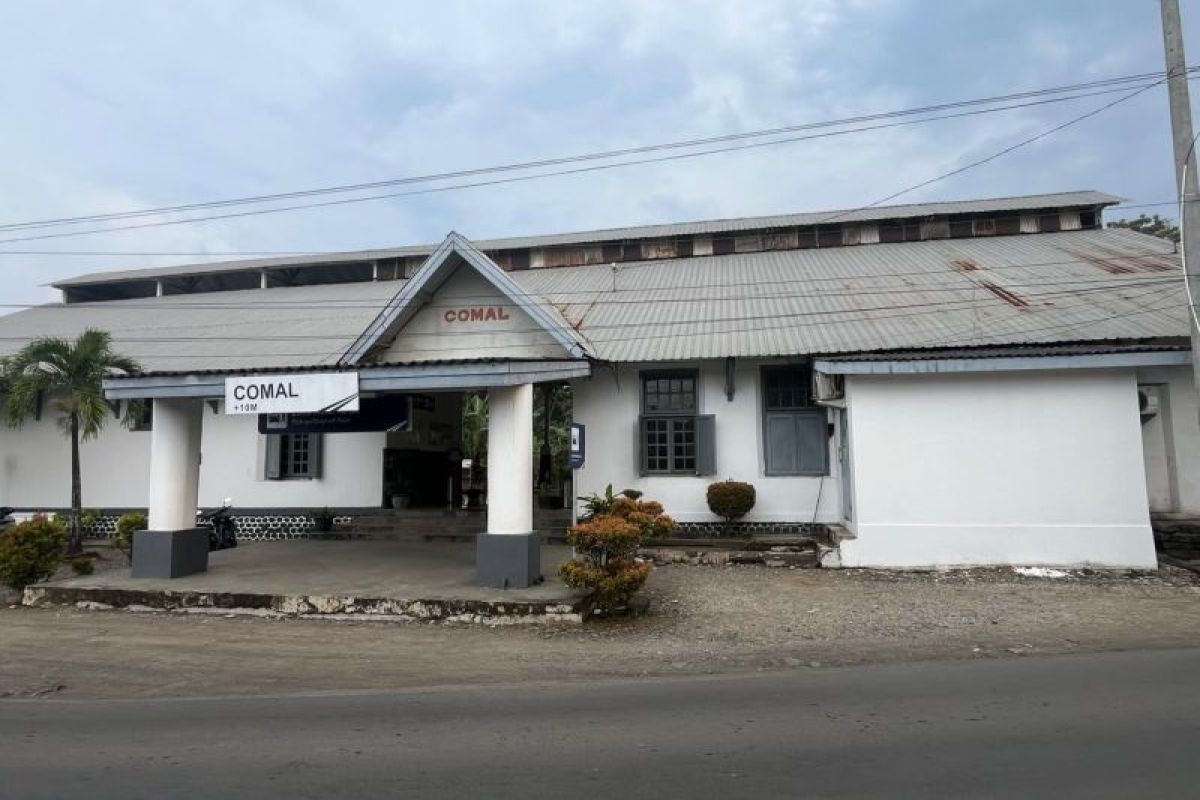
Anne Purba noted that while service volumes differ at each station, the significance of a station is also measured by the public needs it serves. Services from the nearest station can open up more planned travel options for education, healthcare, work, trade, and family needs. The expansion of services was further evidenced by the commencement of boarding and alighting activities at Comal, Plabuan, and Rajapolah stations in April 2026. Over three months, Comal recorded 11,996 activities, Plabuan 814, and Rajapolah 528, with all three showing consistent monthly growth.
This trend aligns with the national agenda for sustainable transport, as outlined in the National Medium-Term Development Plan (RPJMN) 2025–2029, which emphasises equitable access to transportation to support education, healthcare, and economic productivity across regions.