
60 Days to Prove It
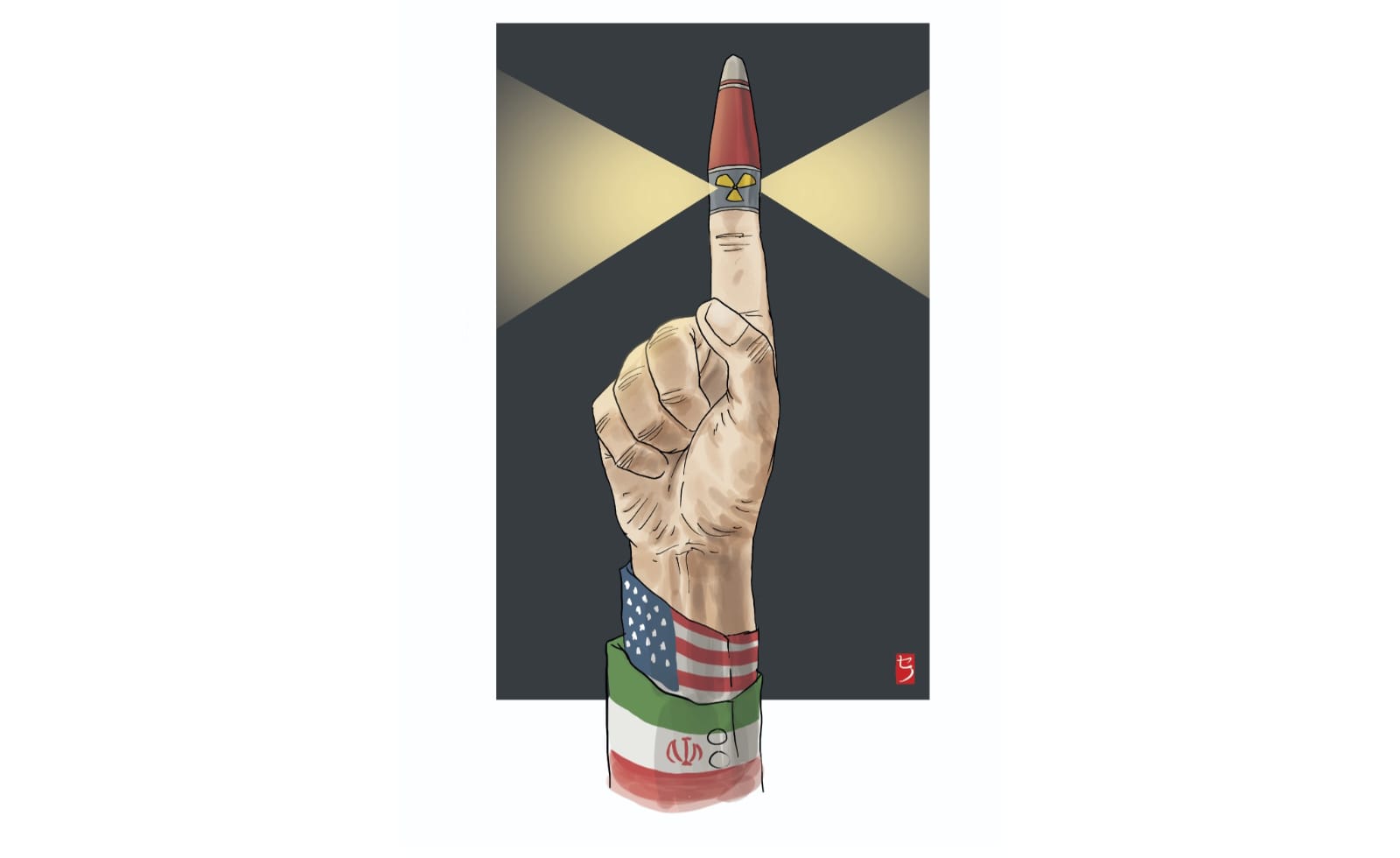
On Friday, 19 June 2026, in Geneva, Switzerland, a document will be signed. The United States and Iran, two nations that have been striking each other with missiles, blockades, and proxy forces since 28 February, have agreed to pause. The Strait of Hormuz will be reopened. The US naval blockade of Iranian ports will be lifted. The world breathes a sigh of relief.
However, do not draw that breath too deeply. What is being signed in Geneva is not peace. It is an agreement, and agreements can end in failure.
Let us read this honestly. The agreement merely extends the ceasefire for 60 days. The most crucial issues—Iran’s nuclear programme, the release of frozen assets, the future of Lebanon—are all postponed for subsequent negotiations. Who has retreated further?
Recall how Trump began. He demanded Iran’s total submission: halt uranium enrichment, disband proxy forces, open the strait unconditionally. Now, the emerging agreement leaves Iran’s missile programme intact, its nuclear infrastructure untouched, and the regime still standing. Reports even suggest the US will release approximately US$12 billion in frozen Iranian assets as part of the opening package.
Iran fought against two of the world’s most advanced armed powers, America and Israel, on every front: air, sea, proxy, cyber, and global opinion. Since 28 February, Iran closed the Strait of Hormuz and withheld roughly 20% of the world’s oil supply as a pressure card. That is not a weak weapon, and Iran did not surrender it without compensation.
Yet herein lies the danger. Even after the MoU is signed, Iran and the US have different readings of what was agreed. Iran’s Deputy Foreign Minister stated that the 60-day nuclear negotiations would only commence after the US unfreezes the funds. The US side rejects that claim. Two parties are signing the same document but reading it differently. That is not a foundation for peace; it is a recipe for the next crisis.
The next sixty days are a labyrinth. Within it: how far Iran is willing to open its nuclear programme, what price the US is prepared to pay, and, most importantly, whether Israel will allow it all to proceed.
Here lies the most unpredictable variable in this equation. Israel’s first official reaction came from National Security Minister Itamar Ben-Gvir, who stated that Trump’s agreement ‘does not bind us’ and that Israel is ‘not a party to this agreement’. Netanyahu asserted that ‘with or without an agreement’, he will continue to fight to prevent Iran from obtaining nuclear weapons.
This is not merely domestic political drama. Israel is continuing its operations in Lebanon, where Hezbollah, Iran’s ally, is fighting. Iran itself has made protection for Hezbollah a condition in any ceasefire involving them. This means: one miscalculated Israeli strike in Lebanon could collapse the entire Geneva agreement before its ink is dry.
Trump even publicly called Netanyahu ‘a very difficult person’ in a press interview, following a series of Israeli attacks that continued despite ongoing negotiations. The cracks between the two long-time allies are now clearly visible under Geneva’s light. The question is not only whether Iran will honour the agreement. The more pressing question: will Israel allow it to live?
For Indonesia, the news from Geneva feels like good news. Brent crude oil prices immediately dropped more than 4% after the peace announcement. During the conflict, the rupiah had breached 18,000 per US dollar, something never before seen in modern Indonesian history. Stabilisation of the Strait of Hormuz means stabilisation of the energy supply chain, easing inflationary pressures, and allowing the state budget’s fiscal space to breathe again. However, Indonesia must not stop at mere economic analysis.
Throughout this conflict, Indonesia chose a consistent stance: urging a ceasefire, rejecting violence, and supporting diplomacy. That stance remains relevant, but vigilance must not wane. The success or failure of the next 60 days of negotiations will determine whether the stability created today becomes the beginning of peace or merely a pause before the next escalation.
Geneva is not the endpoint. Geneva is the first test in a series of far more difficult trials. Iran asserts this is only an ‘initial step’ and a final agreement has not been reached. True. What remains are the hardest questions: Is Iran truly willing to permanently limit its nuclear programme? Does Trump, facing the November midterms, have enough time and political will to complete the 60-day negotiations? Will Israel choose to be part of the solution or remain a variable that could destroy everything?
A fragile peace can collapse faster than we think. The Strait of Hormuz may open this Friday. But the door to the next war has not yet closed.