
6 Turtle Conservation Sites in Bali for an Educational Wildlife Experience
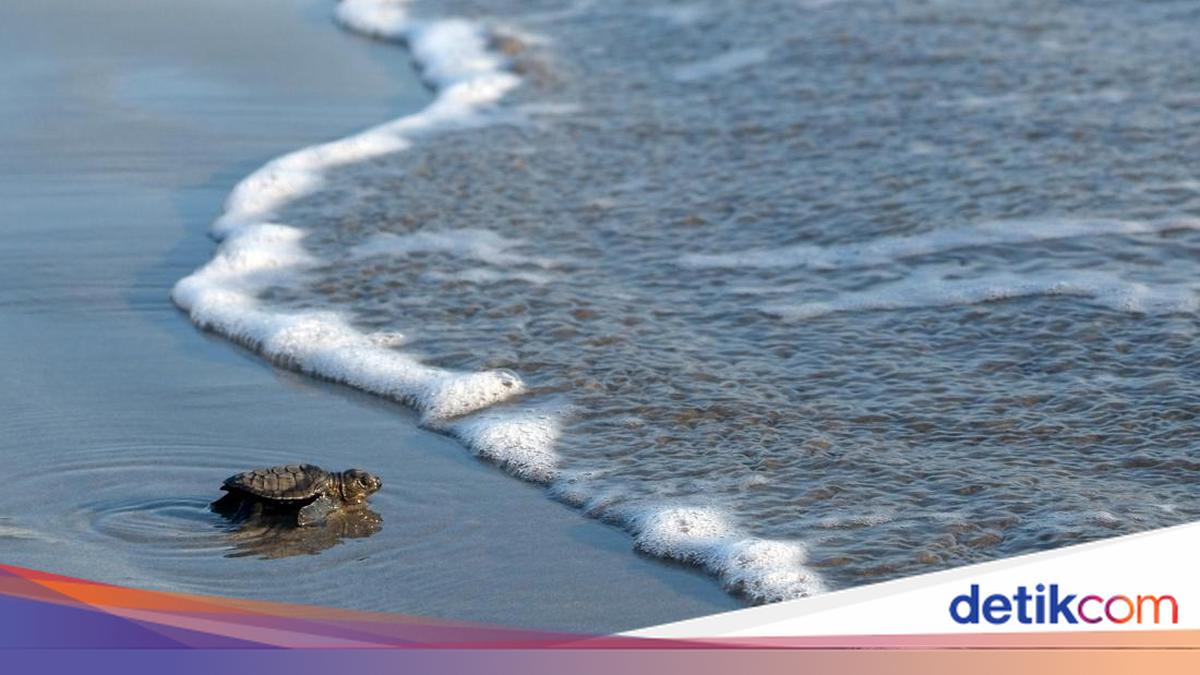
Bali has more to offer than beaches and temples. The Island of the Gods is home to several turtle and tortoise conservation sites that are suitable for visitors who want to enjoy a holiday while supporting the protection of marine wildlife.
From a turtle rehabilitation centre in Serangan to natural nesting sites in Kuta, Sanur and Nusa Penida, here are conservation locations to visit across Bali.
- TCEC Serangan, Denpasar
The Turtle Conservation and Education Center (TCEC) Serangan is a leading destination for learning about turtle conservation in Bali. It is located on Jalan Tukad Punggawa, Serangan, South Denpasar, in Denpasar City. Established on 20 January 2006 across an area of 2.4 hectares, the centre serves as a conservation facility as well as an education, tourism and research site.
Visitors can see hatchlings and adult turtles, learn about their life cycle and take part in educational programmes on marine wildlife protection. TCEC also rehabilitates sick or injured turtles, protects turtle habitats on busy beaches and releases hatchlings into the sea. Three species are conserved here: green turtles, hawksbill turtles and olive ridley turtles.
- Kuta Beach Sea Turtle Conservation, Badung
Kuta Beach is not only a place to surf and watch the sunset. It is also one of Bali’s natural landing and nesting sites for olive ridley turtles. The Kuta Beach Sea Turtle Conservation Center (KBSTCC), in Kuta, Badung Regency, is active in protecting habitat, incubating eggs and releasing hatchlings into the sea.
In July 2026, the centre released 500 hatchlings that had been incubated there. Visitors can learn about the importance of protecting beaches as nesting habitats. However, they should avoid touching or disturbing any turtle nests found nearby.
- Sanur Turtle Village, Denpasar
For visitors in Denpasar, Sanur Turtle Village, also known as Sanur Village Turtle Hatchery, is easy to reach. It is located on Jalan Danau Tamblingan, Sanur, South Denpasar, in Denpasar City. The facility focuses on turtle conservation and returning turtles to their natural habitat. Visitors can observe the hatching process and turtles in conservation pools.
Unlike some commercial wildlife attractions, visitors are not allowed to touch, feed or interact directly with the turtles. These rules are intended to safeguard the animals’ welfare and support their eventual release into the wild.
- Saba Beach, Gianyar
Saba Beach in Gianyar Regency is among Bali’s coastal areas where turtles come ashore and nest naturally. It is quieter than Kuta, making it suitable for visitors who want to experience a more tranquil side of conservation in Bali.
The presence of turtles at Saba Beach shows that conservation takes place not only at breeding centres but also in natural habitats. Visitors are therefore encouraged to keep the beach clean and not leave plastic waste behind.
- Nusa Penida, Klungkung
Nusa Penida has a turtle conservation area at Bias Muntig Beach, in Ped Village. The site is known as one of Klungkung’s turtle conservation locations. The Bali Natural Resources Conservation Agency (BKSDA) and the Bulih Bali Nusa Penida Turtle Conservation Group are also active in releasing hawksbill turtles.
In February 2025, five hawksbill turtles were released in Ped Village. Nusa Penida is suitable for visitors who want to combine marine tourism with concern for wildlife. Make sure to choose an environmentally responsible tour operator that does not capture or keep turtles for commercial purposes.
- Deluang Sari, Tanjung Benoa
Deluang Sari Turtle Conservation Centre is in the Tanjung Benoa area, near Nusa Dua, in Badung Regency. It can be reached by a short boat trip and has a land-based conservation centre used for hatching and releasing turtles.
Visitors can learn about the turtles’ life cycle and conservation work in the area. Choose activities that prioritise education and do not force physical interaction with the animals.
Responsible conduct at turtle conservation sites
Visits to conservation sites should be about more than simply creating content for social media. Visitors should follow staff instructions and not touch turtles without permission; avoid feeding turtles or tortoises; and not buy products made from turtles, such as shells or eggs. They should not chase or pick up hatchlings, or photograph them using flash. Visitors should take their rubbish home and avoid single-use plastics, and support adoption or donation programmes only when it is clear that the funds go towards conservation.
A message for visitors
The Island of the Gods is one of Indonesia’s important natural turtle nesting habitats. Kuta, Serangan, Saba and Sanur beaches are recorded as turtle landing and nesting areas. By visiting appropriate conservation sites, tourists can enjoy a more meaningful holiday while helping protect the future of turtles and tortoises in Bali.