
6 Tips for Staying Healthy During Armuzna to Ensure a Smooth Hajj
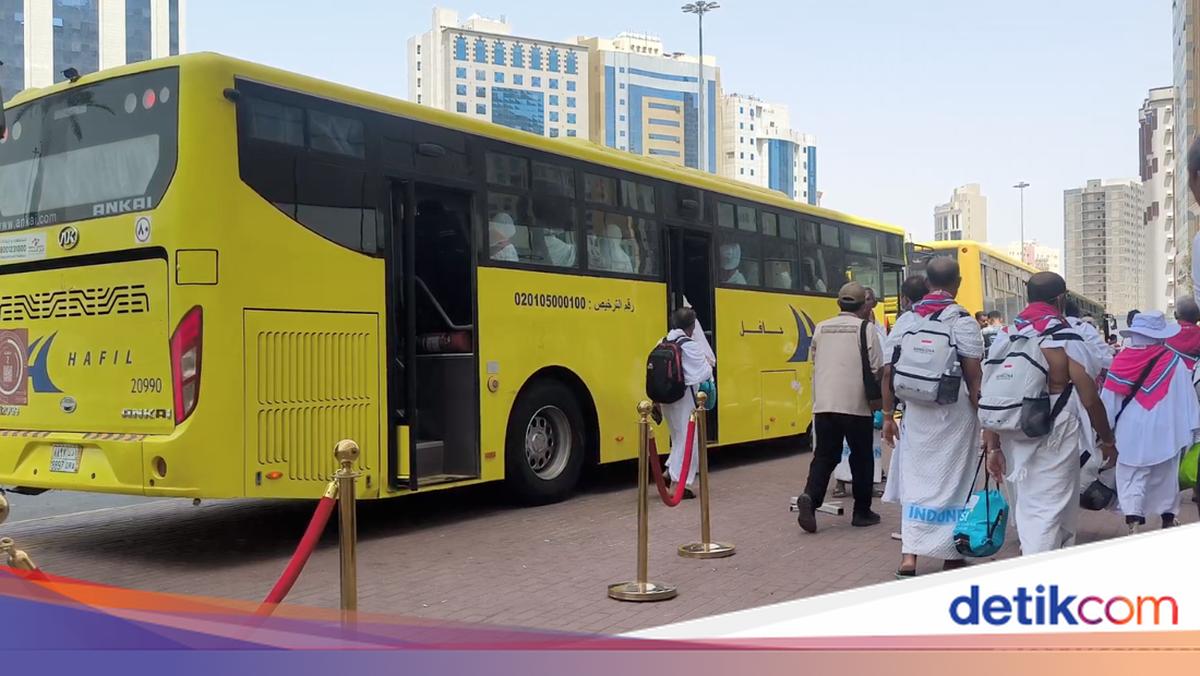
Indonesian Hajj pilgrims began departing for Arafah on Monday, 25 May 2026, in phases to perform the peak Hajj rituals. This crucial stage demands robust physical preparedness, prompting the ministry to advise pilgrims on health maintenance during Armuzna. According to the official website of the Indonesian Ministry of Hajj and Umrah (Kemenhaj), spokesperson Maria Ulfa Assegaf emphasised that Armuzna activities require high stamina and intensive mobility.
Maintaining health is part of pilgrims’ efforts to ensure the entire ritual proceeds safely, smoothly, and perfectly. To address emergencies, the ministry has stationed Indonesian Health Posts in Arafah and Mina to provide prompt medical services. Pilgrims are also urged not to exceed their physical limits and to assist fellow pilgrims showing signs of confusion or exhaustion by reporting to officials immediately.
Health Guidelines for Armuzna
Kemenhaj has issued specific guidelines to help pilgrims maintain their physical condition. The government recommends:
Ensure adequate rest to maintain physical condition.
Maintain regular meals and increase water intake.
Avoid unnecessary activities to preserve optimal energy during the peak Hajj period.
Use protective gear such as umbrellas, masks, and comfortable footwear when outdoors to reduce heat-related fatigue.
For pilgrims with pre-existing medical conditions, carry personal medications and keep them easily accessible.
If experiencing weakness, dizziness, breathlessness, or other health issues, contact nearby health officials immediately.
Ihram Regulations
Kemenhaj also reminded all pilgrims to adhere to ihram rules during the rituals. Details include:
Male pilgrims must not wear stitched clothing that fits the body, cover the head with fixed coverings like a peci or turban, or wear footwear that covers the ankles and heels.
Female pilgrims must not cover their faces with a niqab or wear gloves while in ihram.