
6 Tips for Saving Money Fast, Tried and Tested in Japan
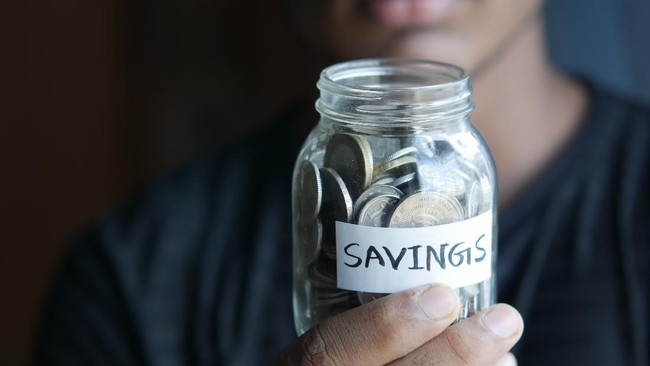
Jakarta, CNBC Indonesia – Amid rising living costs and the threat of inflation, setting aside part of one’s salary for savings has become a challenge for many people. However, people in Japan have a simple, traditional method that has proved effective and has been practised for more than a century.
The traditional financial management method is called Kakeibo. Without relying on complex apps or ambitious investment strategies, it develops financial discipline and awareness through the habit of carefully recording cash flow.
First developed in 1904 by Hani Motoko, a pioneering Japanese woman journalist, Kakeibo was initially popular among Japanese housewives. Its popularity grew globally after Fumiko Chiba published Kakeibo: The Japanese Art of Saving Money in 2017.
Unlike modern, fully digital budgeting methods, Kakeibo requires people to keep records by hand, using a notebook and pen. The physical act of writing is believed to encourage reflection, making people more thoughtful and aware before spending.
Six questions to curb impulse buying
Before deciding to spend money, Kakeibo teaches you to ask yourself several crucial questions:
Can I really live without this item?
Is my current budget truly sufficient to buy it?
Will I actually use this item, or will it merely take up space?
What is the main reason I want it? Am I influenced by social media, or just browsing at the shopping centre?
How am I feeling right now? Am I stressed, bored or lacking confidence?
Will the happiness I feel after buying it last, or will it be only short-lived satisfaction?
Six practical steps to apply Kakeibo
If you want to adopt this Japanese approach to saving, here are six practical steps you can start using straight away:
- Record all income at the start of the month
Write down all sources of income in a notebook at the beginning of each month. Include your basic salary, bonuses and earnings from side jobs, so you have a clear picture of your finances.
- Set aside savings first, not whatever is left
Do not save only what remains at the end of the month. Put away a portion for savings at the start. Then divide the remaining budget into four main spending categories:
Survival: essentials such as food, rent, regular bills and loan repayments.
Optional: non-essential spending such as entertainment, restaurant meals or recreation.
Culture: spending to broaden your knowledge, such as buying books or magazines, or visiting museums.
Extra: unexpected or seasonal expenses, such as birthday gifts, repairs and donations.
- Apply the 24-hour pause rule
Avoid emotional spending. When you are tempted to buy a non-essential item, wait 24 hours before making the purchase. This can help distinguish genuine needs from passing shopping urges.
- Check your account balance regularly
Check your account balance periodically to see how much money you can safely spend. This is a key safeguard against overspending.
- Put reminders near your wallet or on your phone
Use a visual prompt, such as a sticker reading, “Do I really need this?”, on your wallet or phone screen. It can act as a spontaneous brake before you use a credit or debit card, or scan a QRIS payment code.
- Prioritise cash transactions
Digital and cashless payments can make it harder to feel how much money is being spent. Handling and handing over banknotes directly can make the impact of spending more tangible and help keep shopping impulses under control.
Source: jawawa.id (https://jawawa.id/newsitem/6-tips-for-saving-money-fast-tried-and-tested-in-japan-1793411427)
Originally published by CNBC Indonesia (https://www.cnbcindonesia.com/lifestyle/20261031003544-33-781107/6-tips-menabung-agar-duit-cepat-ngumpul-sudah-terbukti-di-jepang), translated from Indonesian