
6 simple habits that can help save money
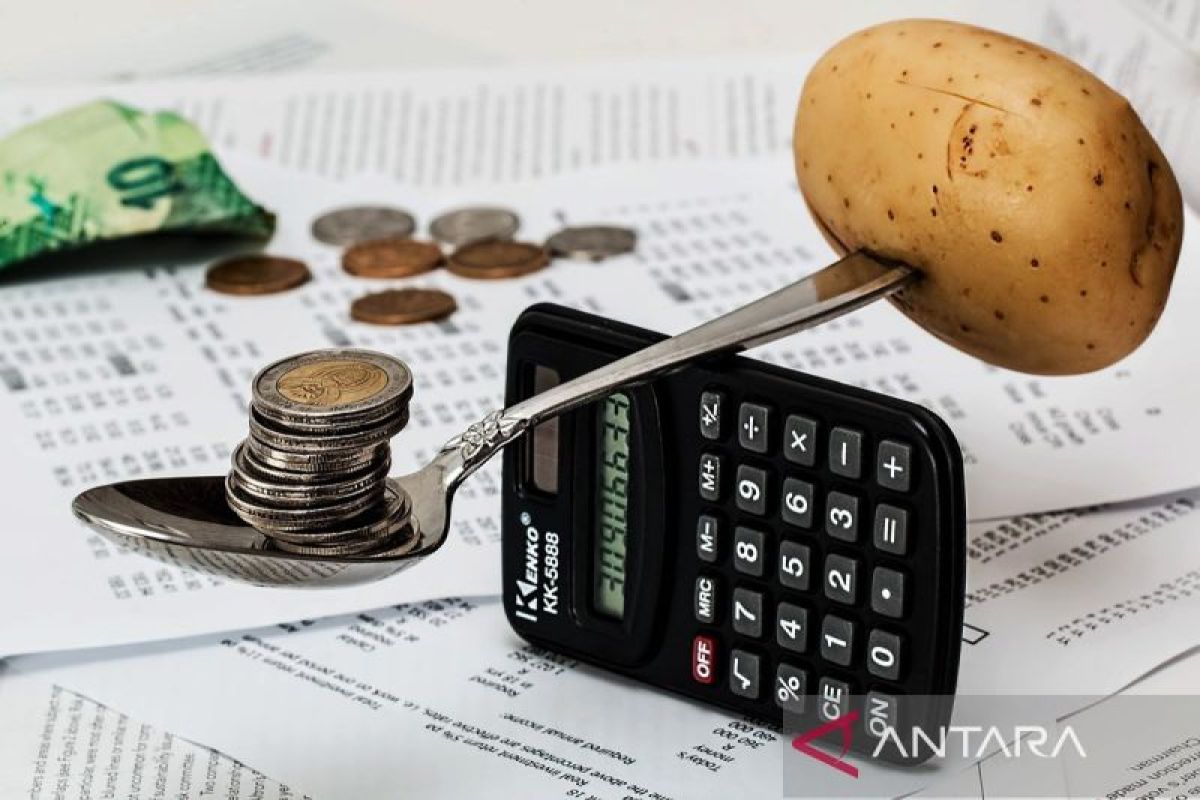
Saving money does not always have to be done by cutting essential needs. Simple habits such as recording expenses, making a budget, and saving regularly can help keep finances healthy.
The Financial Services Authority (OJK) in 2026 continues to encourage the public, especially the younger generation, to build healthy financial habits. Financial management needs to be done wisely and consistently, including distinguishing between needs and wants and adjusting the use of financial services to one’s means.
Here are six simple habits that can be applied to help save on daily expenses.
- Record all expenses
The first step is to know where money is being spent. Record expenses starting from routine needs such as food, transport and bills to small purchases that are often considered trivial.
Keeping records helps provide an overview of spending patterns. That way, expenses that are not really needed can be more easily identified and reduced.
Making a budget is also important so that the amount of spending can be compared with income. A realistic budget should include routine expenses as well as costs that arise periodically.
- Distinguish between needs and wants
The next habit is to distinguish between needs and wants before spending money.
A need is something that must be fulfilled, while a want is more related to something one would like to have or enjoy. Not all wants have to be fulfilled immediately, especially if they can disrupt the monthly budget.
The OJK also encourages the public to distinguish between needs and wants as part of forming positive financial behaviour.
A simple way to do this is to pause before buying non-urgent items. If after a few days the item is still considered important and fits within the budget, the purchase can be reconsidered.
- Reduce small recurring expenses
Small expenses can seem insignificant if they only happen once. However, if they occur every day or repeatedly within a month, the total can become quite large.
Examples include buying drinks outside, snacks, service fees that are not used, or subscribing to a number of digital services that are rarely used.
This does not mean all such expenses must be eliminated. Users can determine which ones truly provide benefits and which ones can be reduced so that money can be redirected to more important needs.
- Set a weekly spending limit
In addition to making a monthly budget, dividing money based on a weekly period can help control spending.
For example, after mandatory needs and savings are set aside, the remaining money for daily needs can be divided into several parts. This makes it easier for someone to know whether spending is already too high before the end of the month.
Research by the Consumer Financial Protection Bureau (CFPB) shows that many people have difficulty keeping spending within budget. Monitoring spending periodically can help someone make financial decisions in a more focused way.
- Get into the habit of saving at the beginning
Waiting for money to be left over at the end of the month to save often makes saving plans inconsistent. One way to address this is to set aside money immediately after receiving income.
The amount does not have to be large. What is more important is that it is done regularly and adjusted to one’s financial capacity.
Savings can also be separated based on purpose, for example for an emergency fund, annual needs or long-term financial goals. The habit of saving consistently can help build reserves when unexpected expenses arise.
- Use an automatic savings system
For people who often forget to save, automatic fund transfers can be an option.
Some banks provide a feature for automatic periodic transfers from a transaction account to a savings account. With such a system, money for savings can be set aside first so that it is not easily used for other needs.
The CFPB also mentions automatic transfers as one way to build a consistent saving habit.
Saving money is not only aimed at having more money left over. Some of the funds that are successfully saved should also be allocated to deal with unexpected conditions.
An emergency fund can be used for unplanned needs, such as vehicle repair costs, medical needs, home repairs or when there is a decline in income. The amount of funds needed varies, so the target should be adjusted to each person’s circumstances.
Having a saving habit is also related to financial resilience. CFPB research shows that people who do not have a saving habit are more likely to report difficulty paying bills, including when facing financial shocks.
In the end, saving money does not have to be done through major changes. Recording expenses, distinguishing between needs and wants, reducing unnecessary purchases, setting spending limits, saving at the beginning and using automatic savings can be simple habits to help manage finances more regularly.
The most important thing is that these habits are carried out consistently and adjusted to each person’s income capacity. The OJK emphasises that the ability to manage finances needs to be built from an early age through habits that are carried out continuously.