
6 Reasons Why Equitable Housing is Key to Indonesia's Future
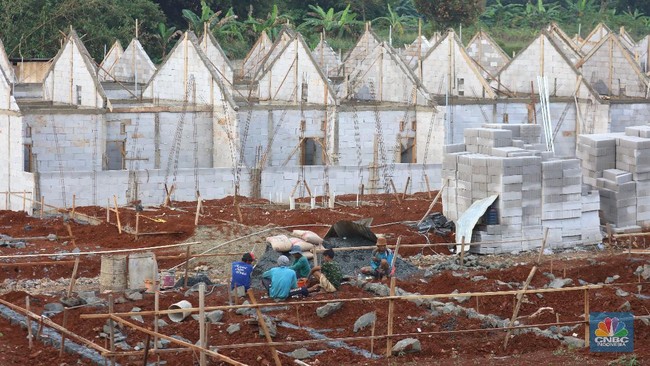
The Ministry of Public Housing and Settlements, together with BPS, recorded that the number of households without a home fell from 12.75 million in 2020 to 9.29 million in 2026. Despite this improvement, the figure shows there is still significant work to be done to expand access to housing.
Families that grow up in decent housing are the foundation for a better future for Indonesia. A house is not merely a building that protects its occupants from heat and rain. Inside a home, a family shares stories, children grow and learn, while parents nurture togetherness and plan for the future.
Why is equitable housing important for Indonesia’s future? Here are six reasons:
- Every family has the right to decent housing
The opportunity to obtain a home should not be determined by where a person is born or works. Families in small towns, industrial areas, coastal regions, and developing areas also need safe housing supported by basic facilities. Equitable distribution ensures housing development is not concentrated only in big cities but reaches areas that truly need it.
- Reducing pressure on big cities
The concentration of jobs and facilities encourages many people to move to metropolitan areas. As a result, housing demand increases, land prices rise, commutes become longer, and urban infrastructure faces greater strain. The availability of housing in new economic centres can provide options so that people do not always have to move to big cities to achieve a better life.
- Bringing homes closer to activity centres
Homes located too far from activity centres waste significant time and money on travel. For families, this means less time together and increased transport costs. Housing development that follows the growth of industrial, trade, education, and tourism areas can bring communities closer to their sources of livelihood.
- Reducing inter-regional inequality
Equitable housing helps ensure that development is not only enjoyed by people in large cities. Developing regions also need residential areas equipped with schools, health services, transportation, and public facilities. When these basic needs are available, people in various regions have more equal opportunities to work, learn, and improve their quality of life.
- Opening economic opportunities for local communities
Housing development drives many economic activities, from construction and building materials to transportation and small businesses in the surrounding area. The Ministry of Public Housing and Settlements notes that the housing sector is linked to approximately 185 economic sub-sectors. This means housing construction in various regions can also create jobs and stimulate local economies.
- Making families more prepared for the future
A decent home provides a sense of security and certainty for families. When housing needs are met, families can focus more on managing finances, supporting their children’s education, and planning for the long term. Therefore, equitable housing distribution not only addresses today’s needs but also determines the quality of Indonesian families and future generations.
Realising equitable housing requires collective effort. Developers, banks, infrastructure providers, and central and regional governments have complementary roles. This collaboration is reflected in the Danantara Housing Expo 2026, which will feature more than 15,000 housing units across 96 locations and 17 provinces. This scope provides the public with more housing choices from various regions as well as access to learn about financing from Himbara banks. The Danantara Housing Expo 2026 will take place on 27-30 August 2026 at NICE, PIK 2.
Equitable housing is not just about the number of houses built, but more about giving more families a decent place to come home to. Because when families can grow safely and comfortably, the foundation of Indonesia’s future becomes stronger.