
6 Natural Ways to Get Rid of Unpleasant Bathroom Odours
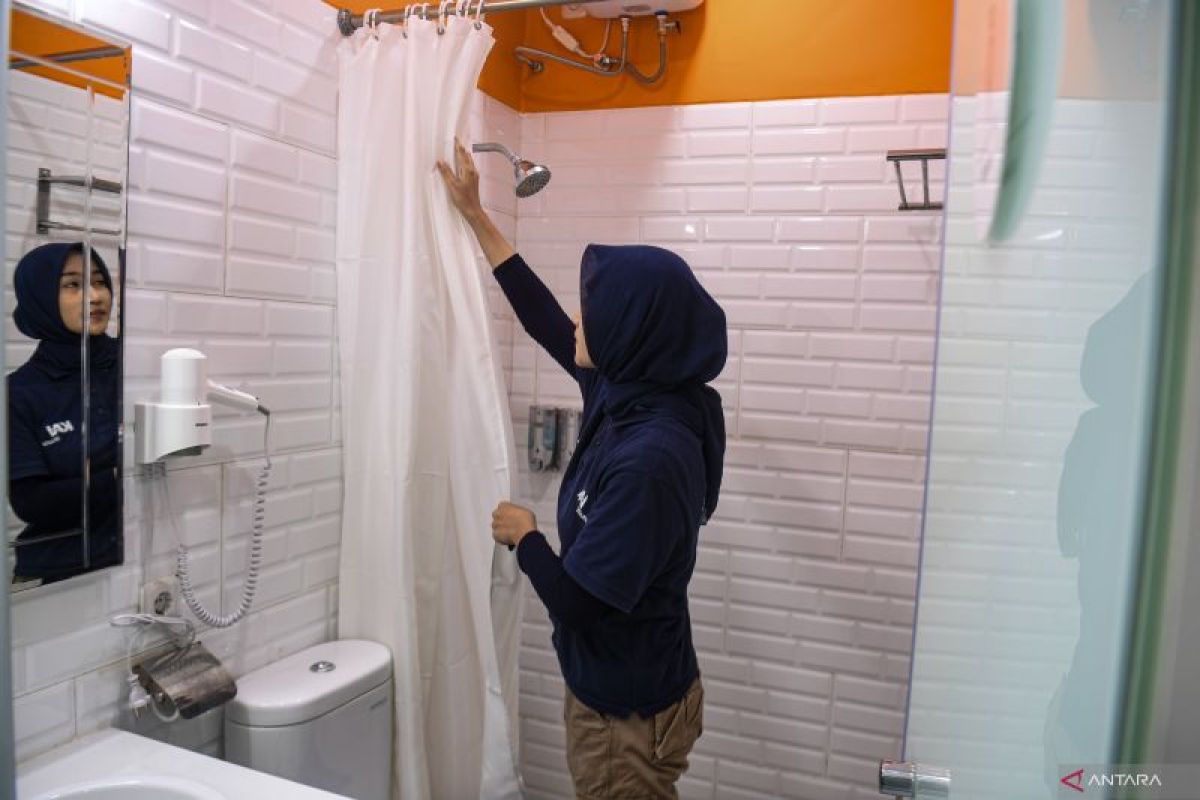
Jakarta (ANTARA) - Bathrooms are among the areas of a home where unpleasant odours can easily develop, particularly if they are not kept clean. Damp conditions, dirty drains, soap residue and accumulated hair can all cause unpleasant smells.
As well as making the home less comfortable, persistent odours may indicate hygiene problems, mould growth or an issue with the drainage system.
Air fresheners can help mask odours, but they do not always address the underlying cause. It is therefore important to keep the bathroom clean and regularly reduce moisture levels.
There are several simple, natural ways to tackle unpleasant smells without always relying on chemical air fresheners.
- Improve ventilation
One of the simplest ways to reduce bathroom odours is to improve air circulation. In a closed room with little ventilation, damp air and unpleasant smells tend to linger.
Try opening the bathroom window or door after use so fresh air can enter and damp air can escape. If available, use an extractor fan to remove air from the room.
Make sure the bathroom ventilation works properly, particularly after taking a hot shower.
- Clean the drain
Drains are a frequently overlooked source of odours. Hair, dirt, soap and personal-care products can build up inside them and cause unpleasant smells.
To tackle this, clean the drain cover regularly. Remove any visible hair and dirt, then use a suitable brush to clean the accessible areas.
Rinse with water afterwards to help remove any remaining debris.
If the odour is caused by a build-up inside the drain, cleaning it directly is more effective than simply using an air freshener.
Avoid mixing different drain-cleaning products, as certain combinations can produce dangerous gases.
- Use bicarbonate of soda to manage smells
Bicarbonate of soda is a common household product that can help reduce unpleasant odours in some items. It can be used to manage smells in a bathroom bin or other areas where odours linger.
The method is simple:
Clean the bin or container that is causing the smell.
Make sure the inside is dry.
Sprinkle a little bicarbonate of soda on the bottom.
Replace it regularly, especially if it becomes wet or dirty.
However, bicarbonate of soda is not a substitute for cleaning. If the smell comes from a drain, a leak or mould growth, the underlying cause still needs to be addressed.
- Dry the floor and bathroom fittings
A floor that is continually wet can make a bathroom damp. This may encourage mould growth, which can produce a musty smell.
To reduce the problem, make a habit of drying the floor after showering with a squeegee or mop.
Remember to check other areas, including floor corners, tile joints, the wall near the shower and the area around the toilet.
The US Centers for Disease Control and Prevention (CDC) says mould can grow in areas with excessive moisture. Keeping surfaces clean and dry is therefore an important part of preventing mould growth.
Repair any leaks or water seepage promptly so that damp conditions do not persist.
- Wash and dry towels and bath mats
Frequently used towels and bath mats can also be a source of unpleasant smells in the bathroom.
Both items absorb water and need time to dry fully. If they remain damp for too long, they can develop a musty odour that makes the room less comfortable.
Wash towels and bath mats regularly with detergent, following the care instructions.
After use, hang towels somewhere with good air circulation. Dry bath mats thoroughly before using them again.
Avoid piling up wet towels or leaving a damp bath mat in a bathroom corner.
- Keep the bin and toilet clean
A bin that is not cleaned regularly and a toilet with residue can both cause unpleasant odours.
Dispose of used tissues, cotton wool, sanitary pads and other rubbish promptly rather than letting it accumulate.
Wash the bin with soap and water, then dry it before using it again. Use a bin with a lid to help contain odours.
Also clean the toilet regularly, including the seat, bowl and surrounding area.
Pay attention to the base of the toilet, where residual water and dirt can sometimes cause smells without being noticed.
If the bathroom has been cleaned but the unpleasant smell persists, the source may be more than surface dirt.
One possible cause is a dry water trap, or P-trap. This curved section of pipe holds water to stop gas from the drainage system entering the room.
Michigan State University explains that water in the trap can evaporate if a drain is not used for a long time. As a result, sewer gases can enter the room and cause unpleasant odours.
If this happens, run water down the drain that is used infrequently to refill the trap.
However, if a rotten-egg or sewer-gas smell continues even after water has been run through the drain, have the pipework inspected and seek professional help. Do not simply mask the smell with an air freshener.
Keeping the bathroom fresh every day
Getting rid of unpleasant bathroom odours does not always require expensive air-freshening products. Simple habits such as opening vents, cleaning drains, drying the floor and washing towels regularly can help keep the room clean and comfortable.
The most important thing is to identify the source of the smell before deciding how to deal with it. This ensures the problem is not merely masked temporarily and helps prevent it from returning.
Source: jawawa.id (https://jawawa.id/newsitem/6-natural-ways-to-get-rid-of-unpleasant-bathroom-odours-1794045119)
Originally published by Antara (Indonesian) (https://www.antaranews.com/berita/5838491/6-cara-alami-hilangkan-bau-tak-sedap-di-kamar-mandi), translated from Indonesian