
6 Million People Deported to Afghanistan, Starting Life from Scratch Under Taliban
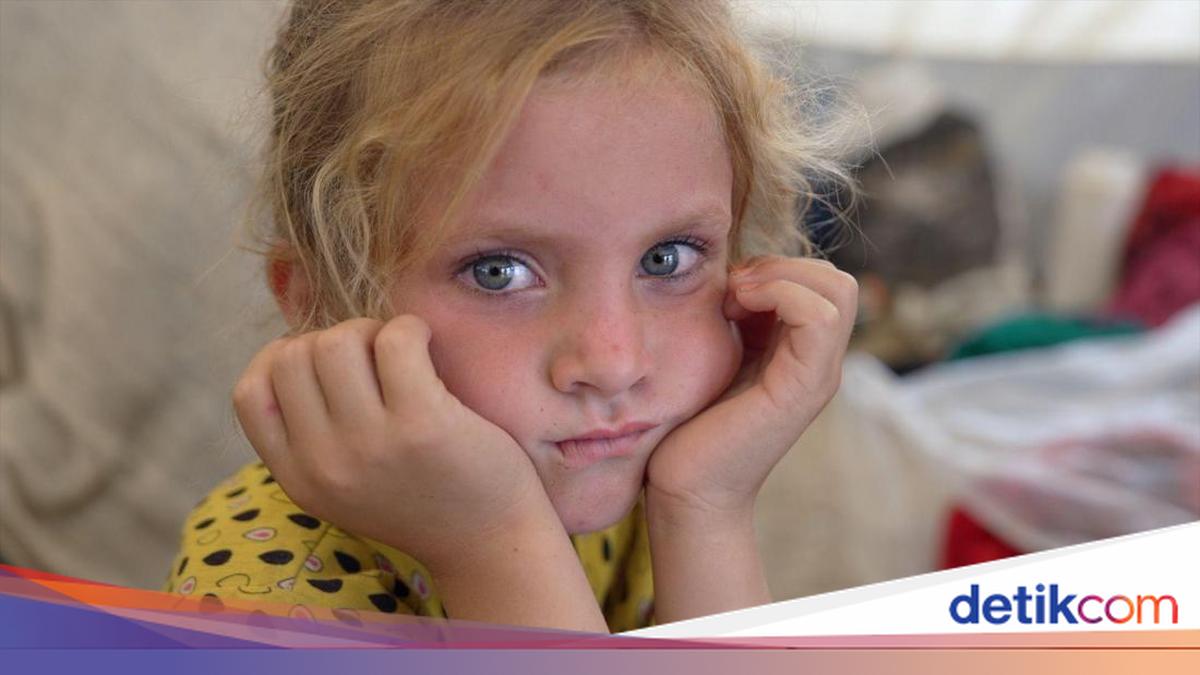
In less than three years, six million people have been deported from various countries to Afghanistan. They are set to begin their lives from scratch under Taliban rule. This movement is being described as the largest cross-border human return in modern history.
Elderly individuals can be seen struggling with walking sticks, while children stare wide-eyed, clutching chickens brought from the homes they were forced to abandon. “It feels a relief to be in my own country,” said 35-year-old Nazia, moments after crossing the border from Pakistan—the place of her birth—into Afghanistan.
The Torkham border, known as the “zero point,” marks the end of one difficult life and the beginning of another equally arduous existence. “But I have never set foot in Afghanistan before, and many people here do not even have enough bread to eat,” Nazim complained as she walked with her two children towards a registration desk adorned with the Taliban’s black-and-white flag.
Almost her entire family, including eight sisters and their children, were deported to Afghanistan this year from Pakistan or Iran. Trucks transporting the returnees are parked along the highway near the border. They are part of the largest cross-border human displacement currently occurring in the world.
For decades, millions of Afghans have fled across borders to Pakistan and Iran seeking asylum or employment. The number of people fleeing Afghanistan has continued to rise since the Taliban took power in August 2021. Now, many are being forced back as both neighbouring countries have tightened enforcement against undocumented migrants.
Nazia and her family are among those without documentation. However, the UN and various human rights organisations state that security operations are targeting much further, including Afghan citizens with official documents. Pakistan has now openly stated that even Afghan citizens holding Proof of Registration cards are not exempt from these rules. Furthermore, these deportation actions show no signs of stopping.
According to the UN Refugee Agency (UNHCR), the number of deportees forcibly returned this year from Pakistan and Iran has reached one million. “In less than three years, we have witnessed six million people—a population equivalent to the size of a small nation—returning to Afghanistan,” said Charlie Goodlake, UNHCR spokesperson in Afghanistan. “In modern history, we have never seen a return flow on such a large scale,” he asserted, standing amidst a tent settlement near the border.
The border region is a barren landscape filled with shelters made of tarpaulin and plastic, many of which are now torn and worn. Buildings established by the UN and other aid agencies serve as temporary shelters for those arriving without a destination. Many deportees have not set foot in Afghanistan for decades; others, like Nazia, have never been there at all.
“I left 45 years ago during the Soviet invasion of Afghanistan, and most of my brothers were born in Pakistan,” explained Sarwar. Sarwar arrived a few days prior with seven brothers and their families, in a group totalling 40 people. All their valuables were packed tightly into large Pakistani-style trucks. “We spent a very long time there [Pakistan], so of course, my heart was broken when they forced us out of our homes,” he said. “However, behind all that pain, I am a little happy because I am finally free from the harassment of the Pakistani police.”
Every family we encountered claimed to have experienced prejudice and intimidation from authorities in Pakistan. The Pakistani government has not responded to enquiries from the BBC. However, a spokesperson for the foreign ministry in a media briefing in Islamabad stated on Sunday that “the Government of Pakistan is taking necessary steps to prevent any abuse or ill-treatment of Afghan citizens in Pakistan. If such incidents occur, they are isolated and handled fully in accordance with the law.”
Both Pakistan and Iran have stated that it is time for Afghans to return to their home country. Both nations allege that some Afghan citizens pose security risks and represent a financial burden. Deportations from Pakistan and allegations of arbitrary treatment increased sharply following the escalation of clashes between Pakistan and Afghanistan last October.
In February, Human Rights Watch highlighted “house-to-house raids, late-night searches, and arrests without warrants.” In Iran, which stated last year that it hosts over four million undocumented Afghans, mass deportations accelerated following the 12-day conflict involving Israel and the US in June 2025. The New York-based Centre for Human Rights in Iran accused authorities of exploiting the post-war situation to “incite suspicion against Afghan migrants, accusing them of espionage and labelling them as potential Israeli spies.”
The UN Refugee Agency continues to emphasise the humanitarian principle that every return must be “voluntary, safe, and dignified.” However, at Torkham, Sarwar’s sister-in-law, Zarina, lamented their uncertain future. “We have no…