
6 in 10 Urban Youth Opt for Self-Diagnosis When Ill
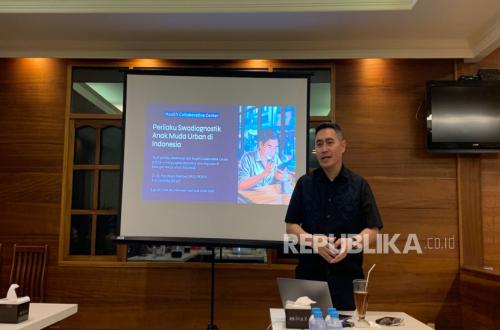
The phenomenon of self-diagnosis among Indonesia’s urban youth is becoming increasingly prevalent. A recent study by the Health Collaborative Center (HCC) found that almost 60 per cent of individuals under the age of 40 choose to self-diagnose when experiencing health complaints before consulting a doctor or visiting a healthcare facility.
The research was conducted between March and May 2024 using a mixed-method approach involving 448 urban respondents across major cities, including Greater Jakarta, Bandung, Surabaya, Semarang, and Yogyakarta. Dr Ray Wagiu Basrowly, the lead researcher and founder of HCC, stated that this phenomenon has become part of the health culture of the modern urban generation. “The internet, AI-based search engines, social media, and even the experiences of others have now become the ‘first doctor’ for many young people before they visit healthcare facilities,” Ray said during a media briefing last week.
According to the study, Google and AI-driven search engines are the primary sources for self-diagnosis, alongside health websites and various digital content. The most frequently searched complaints relate to respiratory, cardiovascular, and digestive disorders, as well as psychological issues. This phenomenon aligns with the term ‘Cyberchondria’—the increased health anxiety resulting from excessive medical information searching online. Notably, 36 per cent of respondents admitted to performing self-medication without consulting a doctor, while 27 per cent ignored doctor’s prescriptions because they conflicted with information found online.
However, the study also found that 57 per cent of self-diagnostic results were ultimately confirmed as correct by doctors. According to Ray, this reinforces public trust in self-diagnosis. “When someone finds that their internet searches are proven correct several times, their confidence in the self-diagnosis process increases. This can create an illusion of false medical competence within society,” he noted.
The research further indicated that respondents with histories of chronic illness are 2.5 times more likely to engage in self-diagnosis compared to other groups. HCC suggests this reflects ‘system fatigue’ within urban society. “Some people feel that visiting healthcare facilities requires too much time, involves long queues, additional costs, and emotional energy. Ultimately, the internet is perceived as more practical, faster, cheaper, and more personal,” said Ray.
More than half of the respondents also felt that self-diagnosis is more comfortable than visiting a healthcare facility due to its perceived practicality and cost-effectiveness. HCC believes this serves as a signal that modern healthcare systems are facing challenges not only from diseases but also from a flood of digital information influencing daily public decisions. “The challenge is not to prohibit people from seeking health information online. The challenge is how the state, healthcare professionals, digital platforms, and educational institutions can build healthy and responsible digital health literacy,” Ray concluded. HCC added that increasing digital health literacy needs to become a new national agenda, especially in the era of AI and social media algorithms that increasingly influence public health decisions.