
6 Direct Impacts of the High Interest Rate Era on Society
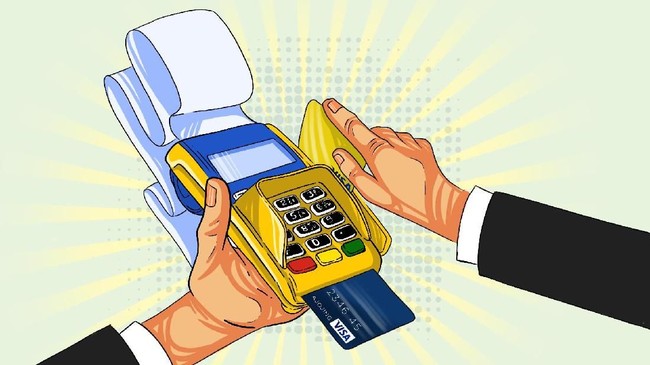
The world is currently facing an era of high interest rates, and Indonesia is no exception. On Tuesday last week, specifically on 9 June 2026, Bank Indonesia (BI) unexpectedly raised its benchmark interest rate by 25 bps to 5.50%.
This high-interest rate environment is set to alter lifestyle patterns globally. Credit interest is becoming more expensive, and the cost of servicing interest is also rising.
“Currently, we are moving in the wrong direction,” said Stephen Kates, a certified financial planner and analyst at Bankrate, as quoted from CNBC Make It, Tuesday (16/6/2026).
On a global level, the possibility of interest rate hikes by the United States central bank, the Federal Reserve (The Fed), is also becoming more prominent. Although many global financial market participants still expect the Fed to maintain the Fed Funds Rate at the upcoming meeting on 17 June, the majority now predict the central bank will raise interest rates by at least a quarter percentage point in October, according to the CME FedWatch tool. The market also anticipates a 23.5% chance that interest rates will rise by at least half a percentage point in December.
Effects of High Interest Rates on the Public
For most households, a quarter-point increase in interest rates will not dramatically change monthly expenditures overnight. In some cases, the impact may only amount to a few dollars per month. However, because higher interest rates generally make borrowing more expensive, costs can increase for households with significant debt or multiple types of loans.
Here are the estimated effects consumers may experience from central bank interest rate hikes, citing notes from CNBC Make It:
Credit Cards: A quarter-point or half-point increase is likely to only add a few dollars per month in interest costs for consumers with an average balance of US$5,000.
Home Equity Lines of Credit (HELOC): HELOCs are among the loan products most directly affected by Fed policy. On a balance of US$30,000, monthly payments could increase by approximately US$4 under a quarter-point hike and around US$8 under a half-point hike, according to Bankrate.
Car Loans: On a five-year loan of US$30,000, monthly payments will increase by approximately US$3 under a quarter-point hike and around US$7 under a half-point hike.
Personal Loans: For a three-year personal loan of US$10,000 at current average interest rates, monthly payments would only increase by a few dollars in both scenarios.
Savings Accounts and Certificates of Deposit (CD): Higher interest rates can benefit savers. Some banks may increase yields on high-interest savings accounts and certificates of deposit, though the extent of the increase often depends on how aggressively each institution competes for deposits, according to Bankrate.
Mortgages: Mortgage rates are more influenced by government bond yields, inflation expectations, and broader economic conditions than by the federal funds rate itself. While Fed policy can indirectly affect mortgage rates, an increase in other interest rates does not necessarily lead to a rise in mortgage rates. Any impact is most likely to be felt by new borrowers or homeowners with variable-rate mortgages that are being refinanced.
While higher interest rates can make monthly payments more expensive, Kates noted that credit scores often play a larger role in determining borrowing costs than minor changes in Federal Reserve policy. For borrowers looking to reduce costs, habits such as paying bills on time and keeping debt under control may have a greater impact than waiting for interest rates to fall.
Source: jawawa.id (https://jawawa.id/newsitem/6-direct-impacts-of-the-high-interest-rate-era-on-society-1781625118)
Originally published by CNBC Indonesia (https://www.cnbcindonesia.com/lifestyle/20260616203100-33-743180/6-dampak-langsung-yang-dirasakan-masyarakat-dari-era-suku-bunga-tinggi), translated from Indonesian