
6,000-Year-Old Infant Fossil in Syria Reveals Oldest Case of Child Abuse
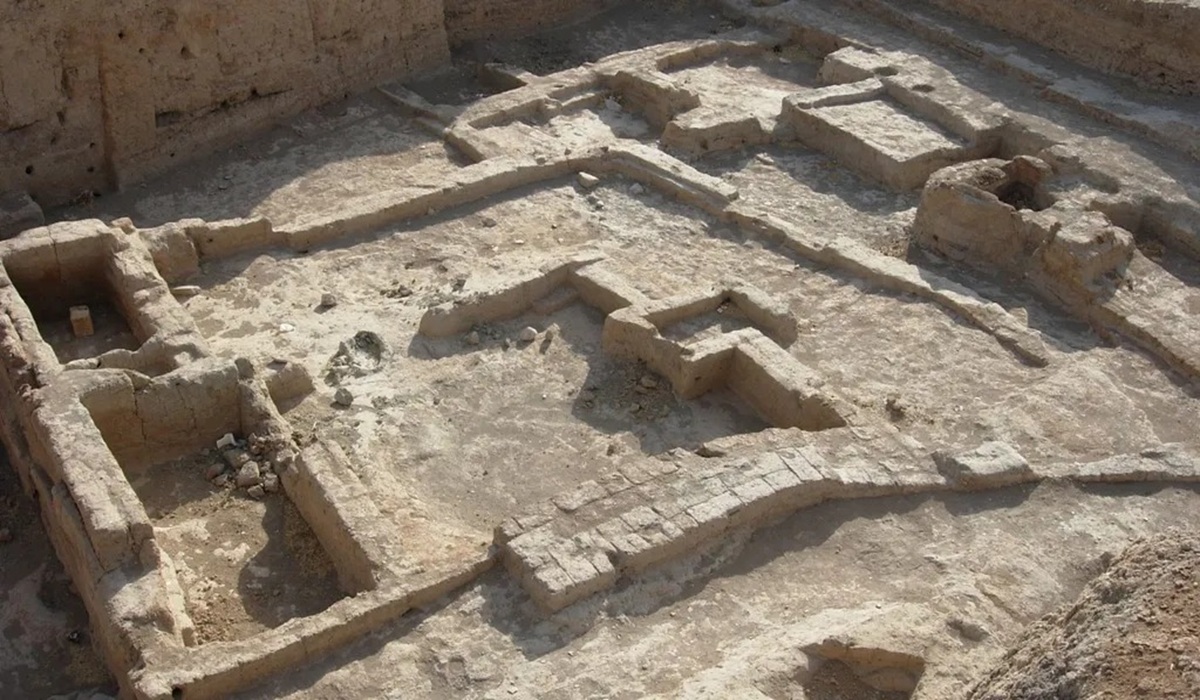
Around 6,000 years ago in Mesopotamia, a baby suffered severe injuries that are now believed to constitute the oldest documented case of child abuse in the Middle East, and one of the oldest in the world.
The fragile, injured remains of the baby were discovered by researchers at Tell Brak in north-eastern Syria, known as one of the largest early urban centres in northern Mesopotamia.
At the time of the baby’s death, estimated to be between 4200 and 3900 BC during the Late Chalcolithic period, the area had developed into a large and complex settlement.
The body was found in a children’s burial ground containing 63 individuals. The researchers noted that the difficulties and pressures associated with early urbanisation may have contributed to the abuse of the child.
Based on tooth development, the research team, which published its study in the International Journal of Osteoarchaeology, determined that the baby was between six and nine months old at the time of death.
An examination of the skeleton revealed four ribs broken at the front of the chest near the breastbone. Some of these fractures had already begun to heal, indicating that the child survived for some time after the injuries occurred.
In addition, the baby’s right thigh showed abnormal bone growth caused by mechanical stress, and there were active porous lesions on both sides of the skull. Rib fractures in such a young baby are regarded as a serious warning sign, as infants of that age are not yet active enough to suffer trauma from ordinary falls.
Birth-related fractures usually heal within a few weeks, whereas this baby was several months old when it died. Furthermore, no similar pattern of injury was found on the remains of other children at the same site, making it a highly anomalous case within the local population.
Although the skeletal evidence points to physical violence during the child’s lifetime, the researchers were unable to identify who caused the injuries or determine the motive.
Study co-author Aleksandra Grzegorska, a bioarchaeologist from the University of Warsaw, explained that the baby most likely experienced abuse inflicted by a carer.
“Ribs should not break in a child that small,” Grzegorska said.
She added that whilst rib fractures are relatively common in adults, their presence in a young infant strongly points to an act of violence. The discovery at Tell Brak offers a rare insight into the darker side of children’s lives in one of the world’s first cities. Cases such as this are extremely difficult to detect in archaeology because of the fragility of infant bones and the loss of soft tissue over thousands of years, meaning their stories were never captured by written historical records.