
50 Million Perished in the Great Famine, Scientists Fear 2026 El Niño Could Be More Devastating
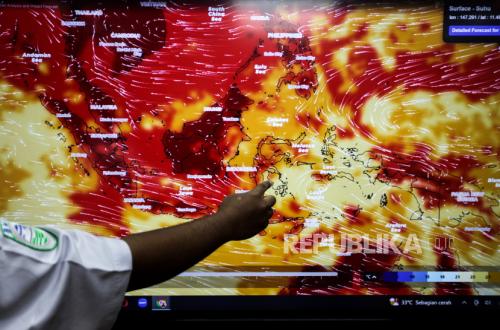
In the span of three years, approximately 50 million people perished. That number equals the combined casualties of several major modern wars. Yet the cause was neither bombs nor bullets, but a climatic phenomenon now once again drawing global attention: El Niño. From 1876 to 1878, parts of Asia, Africa, and South America were struck by extreme drought. Rivers shrank, rice fields dried up, harvests failed, and food reserves were exhausted. In many places, famine escalated into an unprecedented humanitarian catastrophe. The event has nearly vanished from global public memory, even though a number of scientists consider it one of the deadliest environmental disasters in the last 150 years. In research published in the Journal of Climate in 2018, researchers even stated that the 1876–1878 El Niño event helped shape the global inequality that later became known as the divide between the ‘first world’ and the ‘third world’. What made that El Niño so deadly? For years, many scientists regarded El Niño as the primary cause. This phenomenon occurs when sea surface temperatures in the tropical Pacific Ocean warm abnormally, altering rainfall and weather patterns across various parts of the globe. However, recent research paints a more complex picture. The 1877 El Niño did not act alone. Prolonged cold conditions in the tropical Pacific, an exceptionally strong Indian Ocean dipole, and unusually warm Atlantic temperatures created a perfect climatic combination to trigger global drought. Then came a more dangerous factor: humans. According to the researchers, millions of deaths were not solely caused by the weather. The neglect of traditional water storage systems, poor management of food reserves, and failed economic policies exacerbated the crisis until it turned into a mass tragedy. In other words, drought triggered the disaster, but human failure made it lethal. For more than a century, the Great Famine of 1876–1878 has served as a reminder of what can happen when extreme climate phenomena meet an unprepared society.