
50 High Schools in Greater Jakarta Challenged to Collect Five Tonnes of Electronic Waste
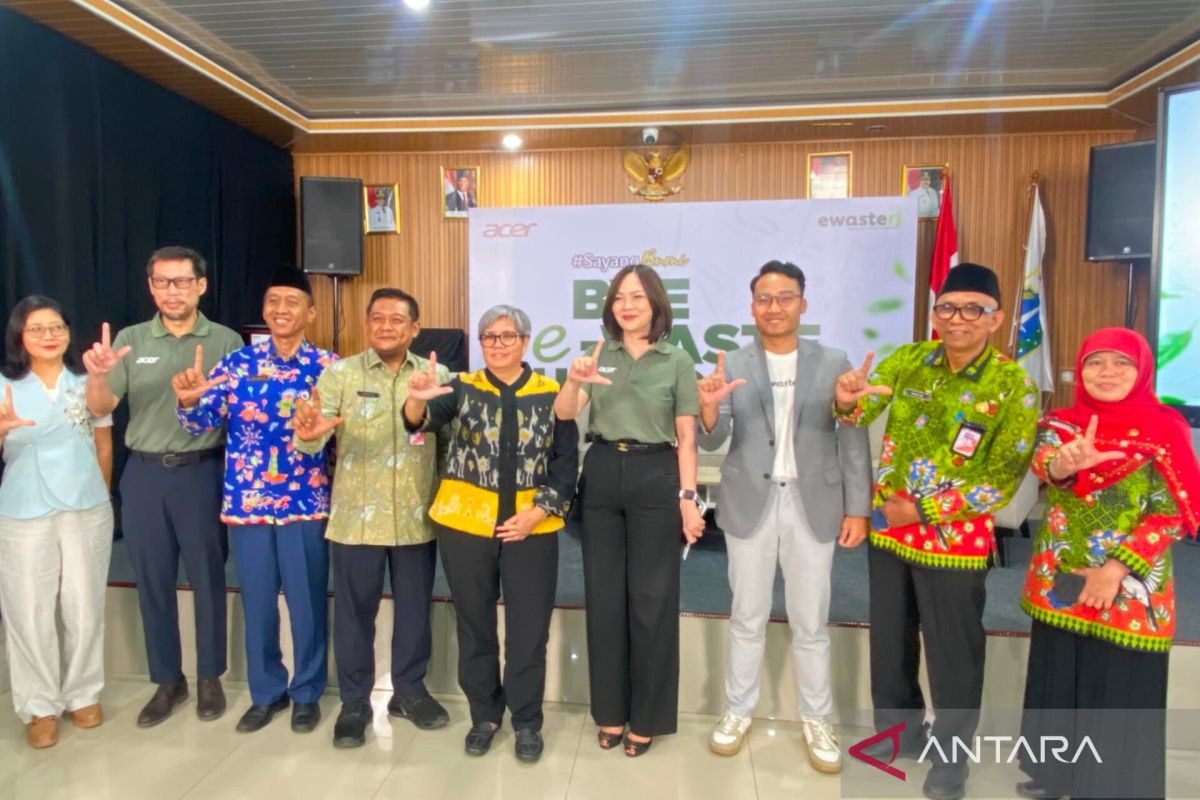
Fifty high schools in the Greater Jakarta area (Jabodetabek) have been challenged to collect up to five tonnes of electronic waste (e-waste) through the ‘Sayang Bumi 2026’ programme, inaugurated at SMAN 82 in South Jakarta. Rafa Jafar, Founder and CEO of EwasteRJ, stated that a decade ago, he observed electronic waste simply being piled up in drawers due to a lack of proper disposal facilities. That concern has now transformed into a tangible system operating in 50 schools.
The programme is a collaboration between electronic waste management company EwasteRJ and Acer Indonesia. It aims to help reduce the growing threat of electronic waste in Indonesia. The Sayang Bumi 2026 programme arrives at an opportune moment, ahead of the DKI Jakarta Provincial Government’s policy to tighten waste sorting rules and end open dumping practices starting 1 August 2026.
Rafa noted that electronic waste is classified as hazardous because it contains toxic materials that can pollute the environment and groundwater if not managed properly. Participating schools will compete to collect electronic waste until November 2026, with the entire collection process provided free of charge to the schools.
Leny Ng, President Director of Acer Indonesia, said the company wants to encourage the younger generation to become pioneers of change in protecting the environment. Over six years, the Sayang Bumi initiative has demonstrated that meaningful change starts with consistent, collective action. Student involvement in electronic waste management is expected to raise environmental awareness from an early age.
According to the Global E-Waste Monitor 2024, Indonesia is one of the largest producers of electronic waste in Southeast Asia, generating 1.9 million tonnes in 2022. Globally, the amount of electronic waste reaches 62 million tonnes per year, with most of it not being properly recycled. To ensure safe management, all electronic waste collected from the schools will be weighed, recorded, and sent to a licensed recycling facility partnered with EwasteRJ. The programme hopes to make students not just competitors, but agents of change who promote a culture of responsible electronic waste management both at school and in the wider community.