
5 Things to Prepare Before the Eid al-Adha Sacrifice
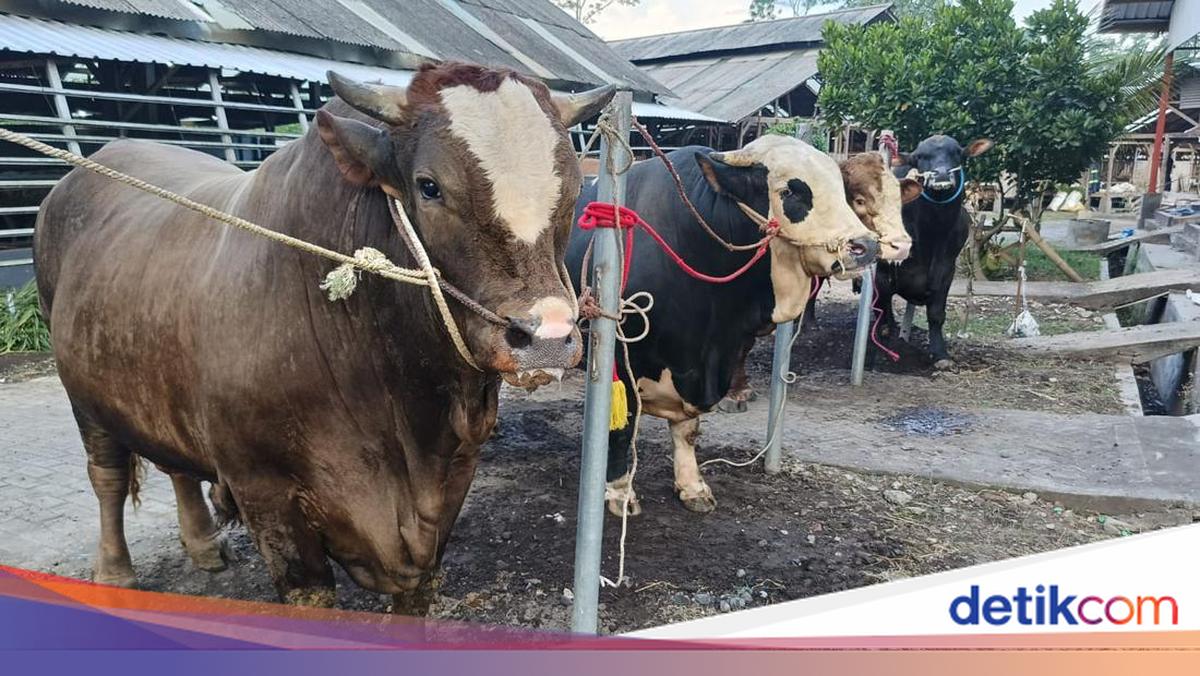
Ahead of Eid al-Adha, there are various matters to prepare to ensure the slaughter proceeds safely, hygienically and comfortably for all. A good kurban starts with a healthy process and compliance with standards.
The Directorate General PKH of the Ministry of Agriculture (Ditjen PKH Kementan RI) informs five important aspects in preparing for the kurban. The points are as follows:
Separate the work area and staff when handling the sacrificial animals and the meat or offal.
Ensure the knife used for slaughter is kept sharp at all times.
Prepare a blood collection pit and a waste disposal site for the contents of the offal.
Use separate containers for meat and offal.
Maintain cleanliness of the environment in each work area.
What are the rules for distributing the kurban meat?
During Idul Adha, Muslims perform the kurban sacrifice, with livestock such as goats, cattle or buffalo. In terms of distribution, there are provisions to be aware of.
Based on the explanation by Bimas Islam Kemenag RI on the Instagram account @bimasislam, here are the rules for distributing kurban meat.
- May be eaten, given as gifts, and donated
The kurban meat is not only for the poor, but also:
to be eaten by the person offering the kurban
given to relatives/neighbours
donated to those in need
- May be distributed to areas outside the region
It can be sent to other regions that are more in need
However, priority should also be given to sharing with the local community
- Recommended distribution
Scholars advise the following distribution of kurban meat:
One third for personal consumption
One third for gifts
One third for charity (the poor and needy)
Priority to the poor and needy
- Not for sale
4 Reasons a animal is not valid for kurban
As Idul Adha approaches, there are criteria for the validity of the kurban animal. To ensure the act of worship complies with the sharia, MUI says the animal must be healthy and free of defects. The following are some criteria that render an animal invalid for kurban or slaughter:
One-eyed
Seriously ill
Severely lame
Emaciated and skeletal, with no marrow