
5 Most Popular International News Stories Today
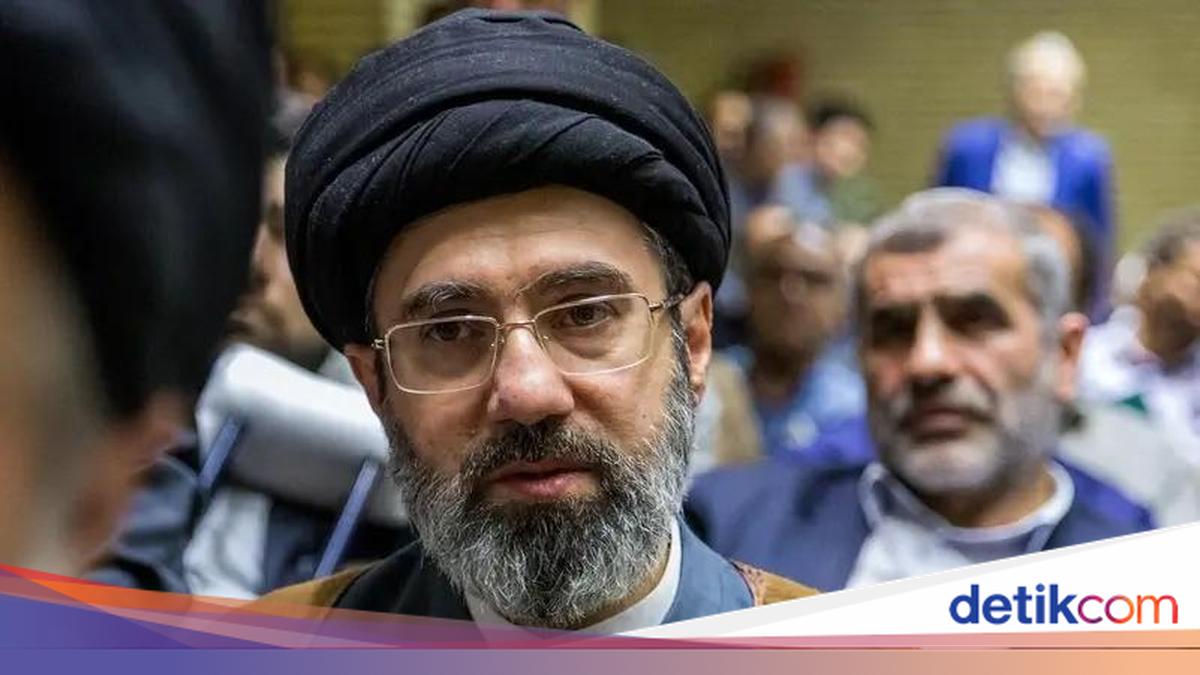
A conservative Iranian newspaper known for its provocative tone has published a list of individuals to be targeted for retaliation over the killing of Supreme Leader Ayatollah Ali Khamenei. The list includes leaders from the United States, Israel, and European countries. A US-Israeli strike killed Khamenei on 28 February, the first day of the Middle East war. His son and successor, Mojtaba Khamenei, has vowed revenge.
In other international news attracting readers’ attention today, Monday (13/7/2026):
Malaysian MP Syed Saddiq Syed Abdul Rahman, who is also the former Minister of Youth and Sports, remains a free man after the Federal Court rejected the latest appeal filed by prosecutors on Monday (13/7) local time. Two Federal Court judges, Malaysia’s highest court, rejected the prosecutors’ appeal and upheld the previous appellate court ruling that acquitted Syed Saddiq of the charges and prison sentence. Although one other judge offered a dissenting opinion, the two-to-one majority decision in Malaysia’s Federal Court reinforces Syed Saddiq’s current free status.
Senior United States Republican Senator Lindsey Graham has died at the age of 71 on Saturday (11/7) evening US time. Graham, known as a supporter of Israel and the war on Iran, died exactly one day after visiting Ukraine. Various speculations and allegations have emerged linking Graham’s death to Russia and Iran. However, Graham’s official office has explained that the senior US senator representing the state of South Carolina died due to a ‘sudden illness’.
The Middle East is boiling over again. Iran’s Ministry of Foreign Affairs has rejected the Western narrative describing Iran’s latest strikes as unprovoked aggression. Iran asserted that the attacks were a legitimate act of self-defence against ongoing violations by the United States and Israel. A spokesperson for the UN Secretary-General expressed concern over the ‘recurrence of military confrontation’. In response, Iranian Foreign Ministry spokesman Esmaeil Baghaei stressed that the situation is not merely a ‘military confrontation’, but a continuation of the blatant and unprovoked aggression launched by the United States and the Israeli regime on 28 February. ‘Iran is not attacking. Iran’s strikes on US military bases and assets stationed in the southern Persian Gulf are the exercise of Iran’s inherent right to self-defence under international law,’ he said.
An adviser to Iran’s supreme leader has asserted that the Strait of Hormuz is more important than ‘dozens of atomic bombs’ and vowed the government will protect the vital waterway. ‘This strategic passage is more important than dozens of atomic bombs, and the Islamic Republic of Iran will protect it,’ said Mohsen Rezaei, an adviser to Mojtaba Khamenei. Western nations have accused Iran of seeking to build an atomic bomb, but Tehran insists its nuclear programme is for peaceful and civilian purposes.