
5 Main Characteristics of the Lower Class Group, Do You Have Them?
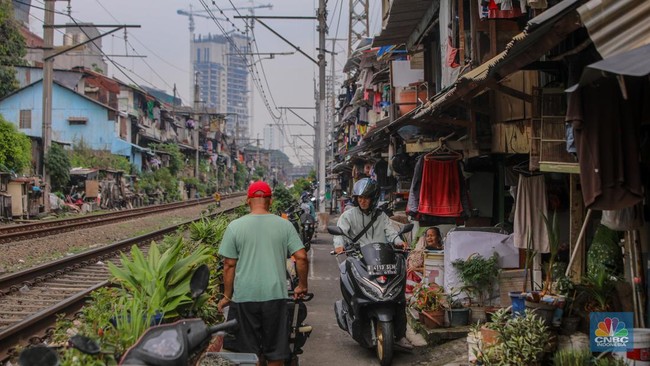
President Prabowo Subianto has stated that the rate of extreme poverty in Indonesia continues to decline, reaching the lowest level. He revealed this in a speech at the World Economic Forum (WEF) in Davos, Switzerland, recently.
This issue has become a primary focus of the government alongside ongoing efforts to eradicate poverty and improve the living standards of the population.
In classifying the economic conditions of society, there are several commonly used indicators. Citing GoBankingRates, there are five characteristics that often adhere to the lower-middle class to lower-class group, including:
- Housing
Housing is one of the largest expenses for a family. If you struggle to afford comfortable and safe housing in a decent neighbourhood, this could be an indicator that you belong to the lower-middle or lower class.
- Employment
Certain types of jobs are clearly categorised as white-collar or blue-collar, which automatically reflect the image of the working class or middle class. Jobs such as restaurant servers, truck drivers, retail employees, manufacturing workers, and cleaning services typically indicate a lower economic position.
“You are considered middle class if you work in a managerial position or specialised job,” said Nathan Brunner, CEO of Salarship.
Conversely, if your job only requires low skills or is a temporary position with low wages and few benefits, that worker is generally placed in the lower social class status.
However, professions such as teachers, nurses, accountants, and IT workers can fall between the working class or middle class, depending on seniority and certifications held. Even white-collar careers that are often seen as prestigious can still provide moderate salaries and place their workers in a middle-class life.
- Savings and Investments
Saving and investing are important financial buffers and provide opportunities to build long-term wealth. However, building such reserves is a luxury that is not always accessible to the lower class.
This means that if you do not have sufficient savings and also a retirement plan, it can be ascertained that you belong to the lower class.
- Lifestyle
Can you afford an annual holiday? Frequently eat out or buy new items without too much worry? If so, such small pleasures require a foundation of financial security. These things indicate room in the budget for small indulgences.
If such things feel burdensome due to budget constraints, it could be a sign that you belong to the lower class.
Of course, smart budgeting can help realise those small pleasures. However, the ability to choose and economic freedom in enjoying occasional spending more reflects the stability generally possessed by the middle class.
- Education
Do you have a bachelor’s degree? If yes, you are likely middle class. The highest level of education you have achieved is a fairly good indicator of your position on the economic ladder. Systemic barriers often prevent lower-class individuals from accessing education.
Higher education usually opens the way to jobs with better salaries. But if university feels too expensive and you cannot pursue it, that could be a sign that you are in the lower class.