
5 Key Points of the Revised Police Law Ratified by President Prabowo Subianto
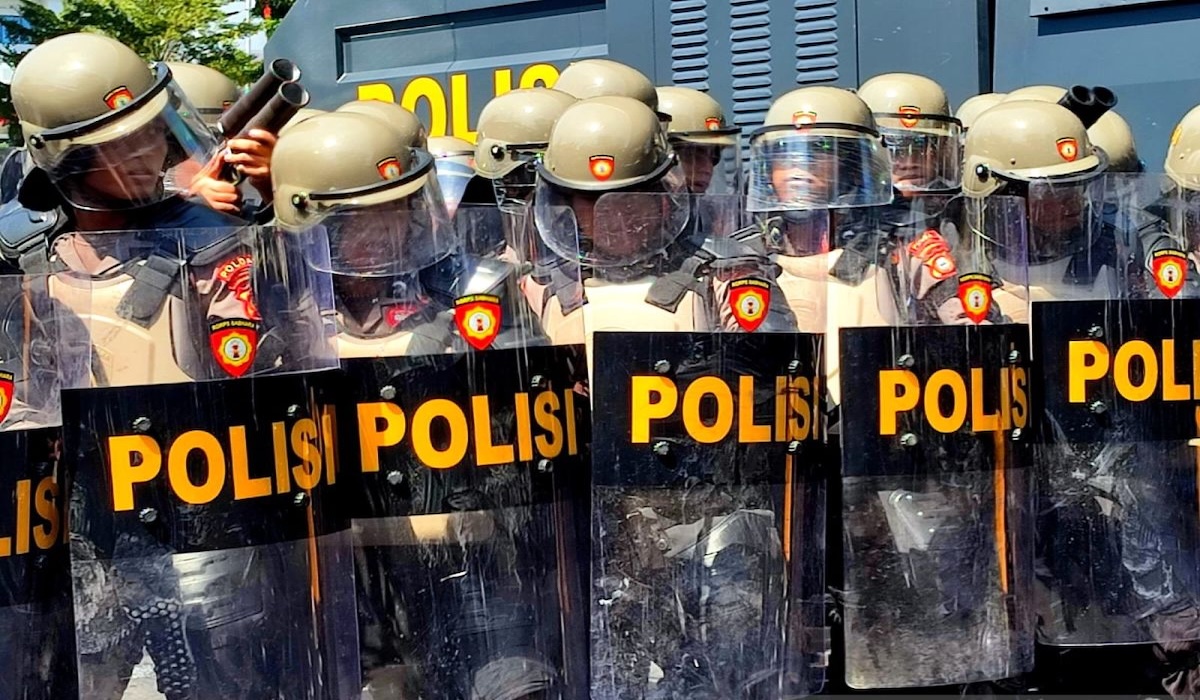
President Prabowo Subianto officially ratified Law Number 5 of 2026, the third amendment to Law Number 2 of 2002 concerning the Indonesian National Police, on 17 June 2026. This new regulation brings fundamental changes to the Bhayangkara corps, ranging from extending the length of service to strengthening technology-based supervision.
Based on a copy of the law uploaded to the Ministry of State Secretariat’s JDIH page, the following are the crucial points in the revision of the Police Law:
- Retirement Age Extended
Law Number 5 of 2026 reorganises the retirement age limit for Polri members based on rank. The maximum retirement age is now set at 60 years for non-commissioned officers and first-level officers, 62 years for middle-level officers, and 64 years for high-level officers.
- Assignment to Ministries and Institutions
Article 28A stipulates that active Polri members can now fill positions outside the police organisation, particularly in ministries or institutions that carry out security, law enforcement, and public protection functions. Such assignments can be made at the request of the relevant agency or based on a direct assignment from the President.
- Recruitment of Persons with Disabilities
An inclusive breakthrough appears in Article 21, paragraph 2, where Indonesian citizens with disabilities now have the opportunity to be appointed as Polri members. The main requirement is possessing specific competencies needed by the police institution.
- Strengthening Cyber and Vital Object Security Duties
Polri now has an explicit mandate to counter cybercrime. Furthermore, the task of securing vital national objects now includes the protection of important installations, strategic natural resources, and activities that have a significant impact on national stability.
- Technology-Based Supervision
To enhance accountability, this law encourages the use of technology in the supervisory system. This includes the use of body-worn cameras, CCTV, and the utilisation of artificial intelligence to monitor the performance of members in the field.
Article 32A requires Polri to develop an educational curriculum that prioritises the protection of Human Rights, democracy, and humanist principles. Polri is also required to periodically report on the management of education and the improvement of organisational culture integrity to the President and the House of Representatives.
The National Police Commission (Kompolnas) has been granted additional authority. Beyond providing considerations for the appointment of the National Police Chief, Kompolnas is now tasked with receiving public complaints regarding police performance, providing input on the educational curriculum, and offering considerations related to the professional code of ethics.