
5 Key Characteristics of the Lower Class: Do You Belong?
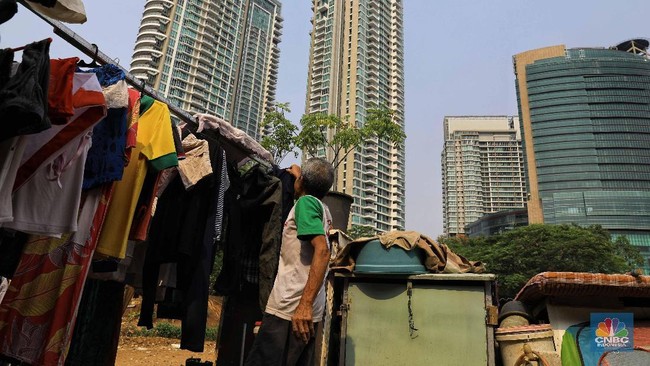
Economists typically utilise expenditure indicators to determine which members of society fall into the lower class, or the poor. According to the Indonesian Central Bureau of Statistics (BPS), for instance, impoverished residents are those whose average monthly per capita expenditure falls below the Poverty Line. As an example, the household poverty line in Jakarta has reached Rp4,238,886.
Beyond expenditure, there are several other indicators that signal membership in the lower economic class. Citing GoBangkinRates, there are five key characteristics of the lower-middle and lower economic segments:
- Housing
Housing is one of the largest expenses for any family. If you struggle to afford a comfortable and safe home in a decent neighbourhood, this could be an indicator that you belong to the lower-middle or lower class.
- Occupation
Certain types of jobs are clearly categorised as either white-collar or blue-collar, which automatically reflects one’s status as working class or middle class. Jobs such as restaurant servers, truck drivers, retail clerks, manufacturing workers, and cleaning services usually indicate a lower economic position. “You are considered middle class if you work in a managerial or specialist position,” said Nathan Brunner, CEO of Salarship. Conversely, if your job requires low skill or is a temporary position with low wages and few benefits, you will generally be placed in the lower social class. However, professions such as teachers, nurses, accountants, and IT workers can fall between the working and middle classes, depending on their level of seniority and certification. Even prestigious white-collar careers can provide only moderate salaries, placing workers in the middle-class bracket.
- Savings and Investment
Saving and investing are vital financial buffers that provide opportunities to build long-term wealth. However, building such reserves is a luxury that is not always accessible to the lower class. This means that if you lack sufficient savings and a retirement plan, you are likely part of the lower-income group.
- Lifestyle
Are you able to go on holiday every year? Do you frequently dine out or buy new items without excessive worry? If so, such small pleasures require a foundation of financial security. These activities indicate there is room in the budget for discretionary spending. If such things feel burdensome due to budget constraints, it may be a sign of being in the lower class. While smart budgeting can help achieve these small luxuries, the ability to choose and the economic freedom to enjoy occasional spending more closely reflects the stability typically held by the middle class.
- Education
Do you hold a bachelor’s degree? If so, you are likely part of the middle class. The highest level of education achieved is a strong indicator of one’s position on the economic ladder. Systemic barriers often prevent individuals from the lower class from accessing education. Higher education usually paves the way to better-paying jobs; however, if university is too expensive for you to attend, it may be a sign that you belong to the lower class.