
5 Health Benefits of Avocados for Pregnant Women
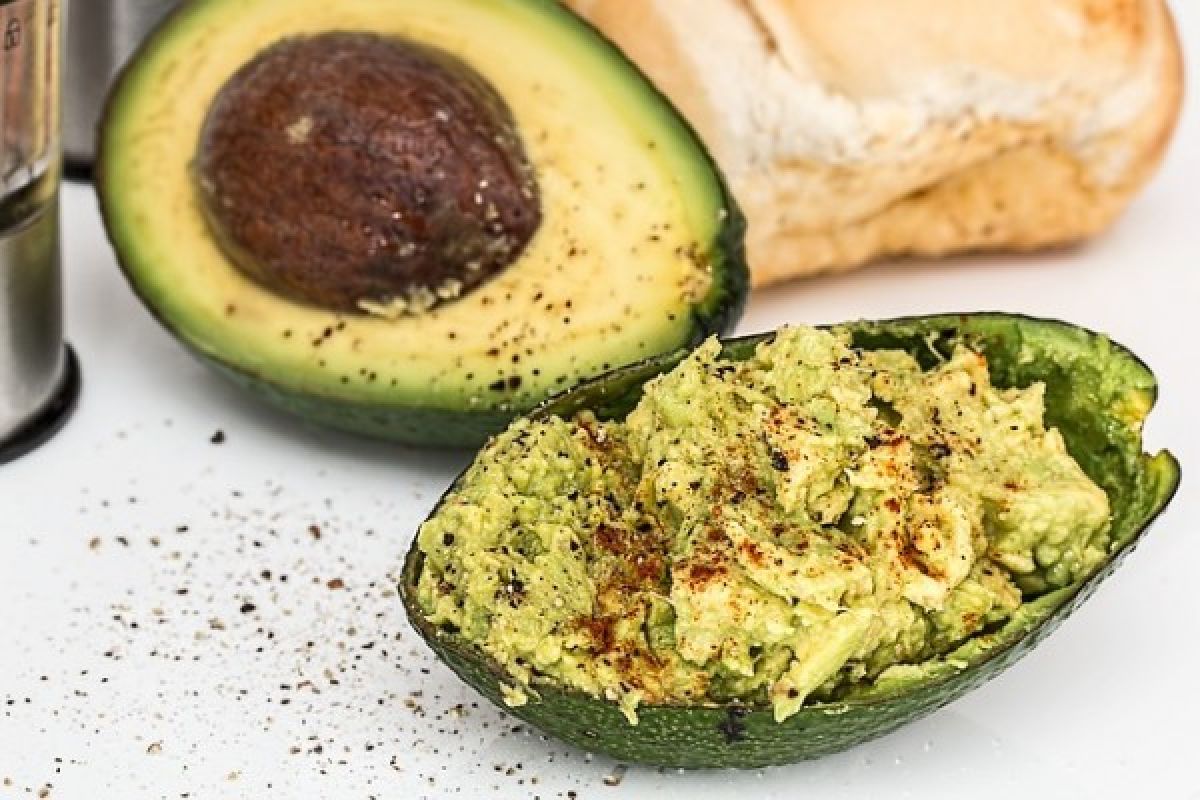
Jakarta (ANTARA) - Avocados are known for their wide range of nutrients. As well as having a soft texture and being easy to prepare in different dishes, they contain vitamins, minerals, fibre and unsaturated fats that the body needs. This makes avocados one fruit that can help meet nutritional needs during pregnancy.
During pregnancy, women need to pay closer attention to their diet to support their own health as well as the growth and development of the foetus. Nutrients such as folate, potassium, fibre and healthy fats play an important role in maintaining bodily functions and helping meet daily nutritional requirements.
What are the health benefits of avocados for pregnant women? Here is an explanation.
Nutrients in avocados
Avocados contain a range of nutrients that are beneficial to the body. According to data from USDA FoodData Central, every 100 grams of raw avocado contains about 160 calories, 6.7 grams of fibre, 81 micrograms of folate, 485 milligrams of potassium and 14.7 grams of fat.
Most of the fat in avocados is monounsaturated, a type of fat considered healthy. Avocados also contain vitamins C, E, K and B6, as well as several minerals.
This combination of nutrients makes avocados a food that can complement a healthy diet during pregnancy.
5 health benefits of avocados for pregnant women
1. Helps meet folate requirements
One important nutrient in avocados is folate, or vitamin B9. It plays a role in cell formation, DNA synthesis and the development of body tissues.
During pregnancy, folate is needed to support foetal development, particularly the formation of the neural tube, which later develops into the brain and spinal cord.
Insufficient folate intake in early pregnancy can increase the risk of neural tube defects (NTDs), including spina bifida.
Avocados can be one natural source of folate to help meet this nutritional need. However, pregnant women should continue to follow their doctor’s advice on folic acid, as their folate requirements cannot be met by relying on avocados alone.
2. Helps relieve constipation
Constipation is a common complaint during pregnancy. Hormonal changes, reduced physical activity and pressure from the growing uterus can affect the digestive system.
Avocados contain fibre, which helps digestion and supports bowel movements. Every 100 grams of avocado contains about 6.7 grams of fibre.
Adequate fibre intake can help soften stools, making them easier to pass. Eating avocados as part of a balanced diet may therefore help reduce the risk of constipation.
In addition to eating fibre-rich foods, pregnant women are advised to drink enough fluids and remain physically active in ways that are suitable for their stage of pregnancy.
3. Supports maternal and foetal development
Avocados contain monounsaturated fats, which can provide the body with energy. Fat is also important during pregnancy because it is needed for the formation of the placenta and several foetal organs.
Adequate intake of good-quality fats is part of a pregnant woman’s nutritional needs.
Avocados also contain vitamin B6, which plays a role in protein metabolism and the production of neurotransmitters. These nutrients support various biological processes in the bodies of both mother and foetus.
Nevertheless, foetal development also requires a range of other nutrients, including protein, iron, calcium, iodine and omega-3 fatty acids.
4. Helps meet potassium requirements
Potassium is a mineral that helps maintain fluid and electrolyte balance, supports nerve function and assists muscle contractions.
This mineral’s intake should be considered during pregnancy, when the body undergoes various physiological changes to support foetal growth.
Every 100 grams of avocado contains about 485 milligrams of potassium. This can help increase a pregnant woman’s daily potassium intake.
Potassium can also be obtained from bananas, potatoes, green vegetables, legumes and various other fruits.
5. Provides healthy fats and energy
The body’s energy requirements change during pregnancy as the foetus grows. Women should therefore consider the quality of the food they eat each day.
Avocados contain monounsaturated fats that can provide energy. These fats can also form part of a diet that supports heart health when used to replace sources of saturated fat.
The fat in avocados also helps the body absorb fat-soluble vitamins, such as vitamins A, D, E and K, from foods eaten alongside them.
Avocados can therefore be paired with vegetables, fully cooked eggs or other nutritious foods to help meet daily nutritional needs.
How pregnant women can eat avocados safely
Although avocados contain a range of nutrients, pregnant women should pay attention to hygiene and how the fruit is prepared before eating it.
Choose ripe, fresh avocados. Make sure the fruit shows no signs of spoilage, such as an unpleasant smell or mould inside.
Wash the skin before cutting. Rinse the avocado under running water to reduce the risk of transferring bacteria from the skin to the flesh when cutting it.
Eat it fresh. Avocado should ideally be eaten soon after it is peeled or cut to preserve its quality and freshness.
Limit added sugar. If making juice or a drink, avoid using excessive sugar or sweetened condensed milk to keep added sugar under control.
Vary it with other nutritious foods. Do not rely solely on avocados to meet nutritional needs during pregnancy. Combine them with a range of fruits, vegetables, protein and carbohydrate sources.
Can pregnant women eat avocados every day?
In general, avocados are safe for pregnant women to eat, unless they have an allergy or a particular medical condition that requires them to restrict the food.
However, there is no need to eat avocados every day. They can be included as one of the fruits in a daily menu, while taking energy requirements and nutritional balance into account.
It is also important to remember that the natural folate in avocados cannot replace folic acid supplements recommended during pregnancy.
The American College of Obstetricians and Gynecologists (ACOG) says pregnant women need about 600 micrograms of folate a day. Folic acid supplementation should still be taken according to the advice of a healthcare professional.
Avocados can therefore be a good fruit choice for complementing the nutritional needs of pregnant women. Their folate, fibre, potassium and healthy fats offer several health benefits and help meet nutritional needs during pregnancy.
Nevertheless, a varied diet and regular antenatal check-ups remain important for protecting the mother’s health and supporting the foetus’s development.
Source: jawawa.id (https://jawawa.id/newsitem/5-health-benefits-of-avocados-for-pregnant-women-1794207088)
Originally published by Antara (Indonesian) (https://www.antaranews.com/berita/5840963/5-manfaat-buah-alpukat-bagi-kesehatan-ibu-hamil), translated from Indonesian