
5 Facts About Google's Motion Assist Feature, Which Can Reduce Motion Sickness
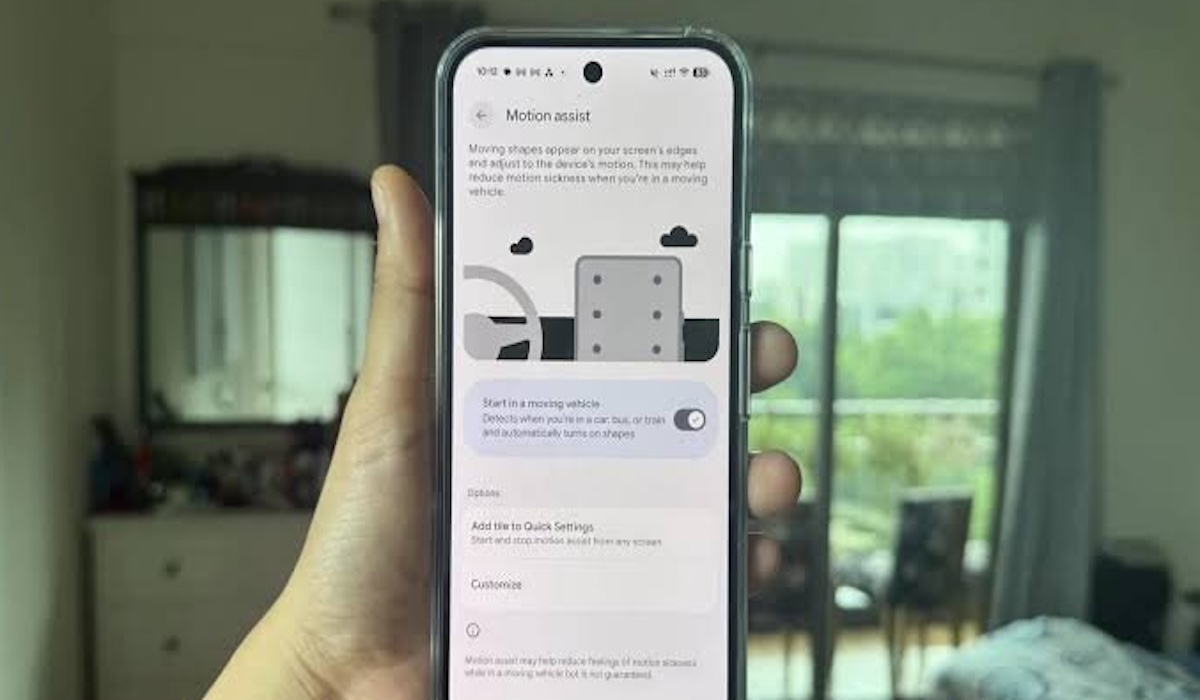
GOOGLE officially introduced the Motion Assist feature in the September Android Drop update on 1 September 2026. This feature is specifically designed to help users reduce nausea or motion sickness when reading or watching videos inside a vehicle.
Here are the five key things you need to know regarding the Motion Assist feature on Android:
Motion Assist works by displaying visual elements in the form of small bubbles or dots at the edge of the screen. These dots move in accordance with the vehicle’s direction of movement to align what the eyes see with what the user’s balance sensors feel.
The feature utilises the motion sensors on the phone in real-time. The movement pattern of the bubbles on the screen adjusts automatically when the vehicle accelerates, brakes, or turns, providing the brain with visual cues regarding the physical movement of the vehicle.
Users can set Motion Assist to activate automatically when the phone detects they are inside a vehicle. Additionally, Google provides customisation options to change the colour, shape, and transparency of the bubbles to ensure they do not interfere with visual comfort while looking at the screen.
The Motion Assist feature is not available for all older devices. According to official documentation, it requires Android 17 or newer, as well as the latest Google Play Services update. Users can find it via the menu Settings > User Profile > All Services > Personal & device safety > Motion Assist.
It is important to note that Motion Assist relies purely on device sensors and visual indicators, rather than Artificial Intelligence (AI) such as Gemini. Although released alongside other AI-based features, this motion sickness prevention mechanism relies entirely on physical data from the phone’s motion sensors.
Important Note: Google warns that the effectiveness of this feature varies from person to person. For a small number of users, motion sickness symptoms could actually worsen. The use of this feature is strictly prohibited for drivers while the vehicle is in motion.
Google’s move follows in the footsteps of Apple, which previously released a similar feature called Vehicle Motion Cues on iOS 18 in 2024. With the arrival of Motion Assist, Android users now have a built-in solution to remain productive or entertained during journeys without the sensation of nausea.