
5 Characteristics of Lower-Class Citizens You Need to Know
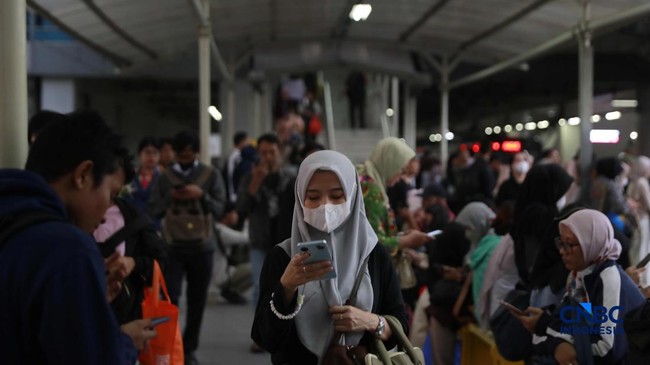
President Prabowo Subianto recently asserted that the rate of extreme poverty in Indonesia has continued to show a downward trend, reaching its lowest level in recent times. The statement was made by the President in his speech at the prestigious international forum, the World Economic Forum (WEF), held in Davos. The success in reducing the extreme poverty rate is one of the government’s main focuses. This is in line with the long-term commitment to comprehensively eradicate poverty and boost the economic standards and welfare of the people in the country.
Citing GoBankingRates, there are five characteristics often associated with the lower-middle and lower-class segments, namely:
- Housing
Housing is one of the biggest expenses for a family. If you struggle to afford a comfortable and safe home in a decent neighbourhood, this could be an indicator that you belong to the lower-middle or lower class.
- Occupation
Certain types of jobs are clearly categorised as white-collar or blue-collar, which automatically reflect the image of a working or middle class. Jobs such as waitstaff, lorry drivers, retail employees, manufacturing workers, and cleaning services typically indicate a position at a lower economic level. "You are considered middle class if you work in a managerial position or a specialist job," said Nathan Brunner, CEO of Salarship. Conversely, if your job only requires low skills or is a temporary position with low wages and few benefits, that job will generally place you in a lower social class status. However, professions such as teachers, nurses, accountants, and IT workers can fall between the working class or middle class, depending on the level of seniority and certifications held. Even white-collar careers that are often seen as prestigious can still provide moderate salaries and place the worker in a middle-class life.
- Savings and Investments
Saving and investing are important financial buffers and provide opportunities to build wealth in the long term. However, building these reserves is a luxury that the lower class often cannot afford. This means that if you do not have sufficient savings and also lack a retirement plan, you can be certain you belong to the lower class.
- Lifestyle
Are you able to go on holiday every year? Do you often eat out or buy new things without worrying too much? If so, such small pleasures require a foundation of financial security. These things indicate there is room in the budget for small indulgences. If such things feel burdensome due to budget constraints, it could be a sign that you belong to the lower class. Of course, smart budget management can help realise these small pleasures. However, the ability to choose and the economic freedom to enjoy occasional spending better reflect the stability generally possessed by the middle class.
- Education
Do you have a bachelor’s degree? If so, you are most likely middle class. The highest level of education you achieve is a fairly good indicator of your position on the economic ladder. Systemic barriers often prevent individuals from the lower class from accessing education. Higher education typically paves the way to better-paying jobs. However, if university feels too expensive and you cannot attend, that could be a sign that you are in the lower class.