
49,909 households in Central Jakarta have adopted waste sorting
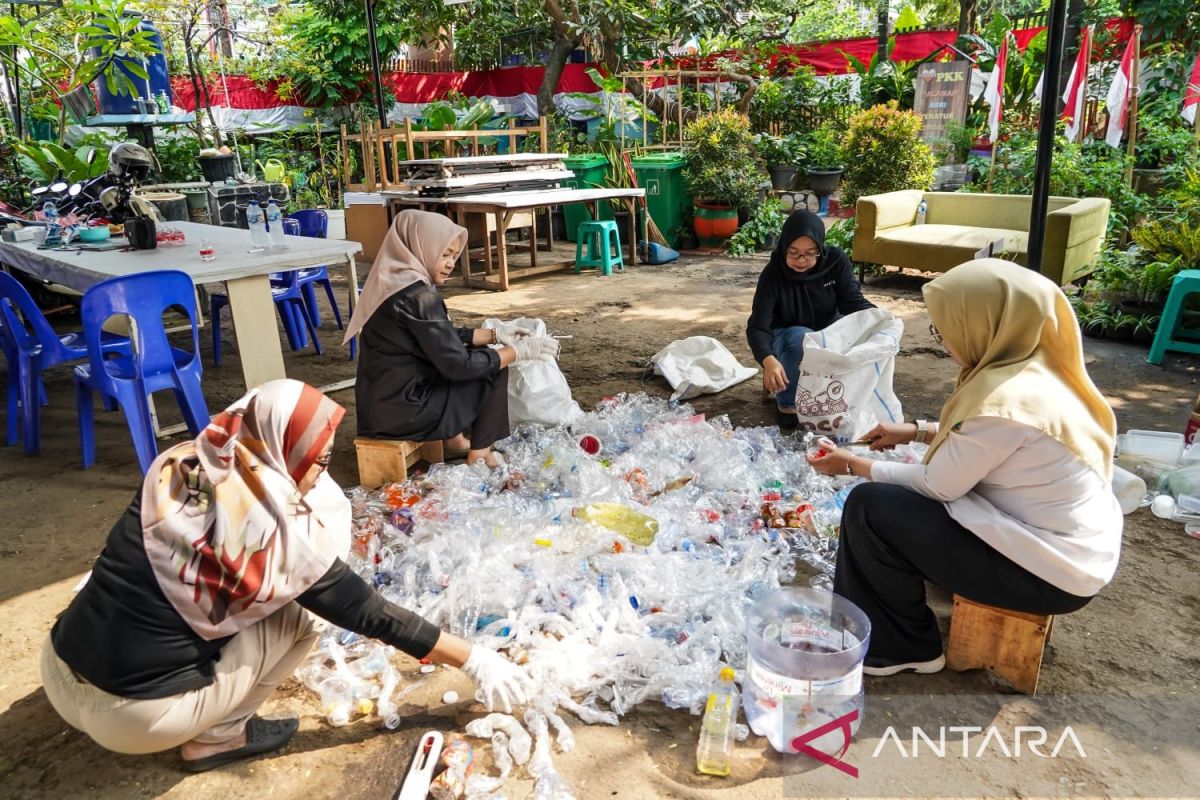
The Central Jakarta City Government has recorded that 49,909 households, or 39.43 percent of the total 126,589 households, have implemented waste sorting at source as of 19 August 2026.
Head of the Central Jakarta Environmental Sub-agency, Slamet Riyadi, said the increase was the result of direct outreach and education conducted with communities at the neighbourhood and community unit levels, sub-districts, districts, and the hotel, restaurant and café sector.
“As of 19 August 2026, the number of households that have sorted their waste reached 39.43 percent, or 49,909 households,” Slamet told ANTARA in Jakarta on Thursday.
According to him, direct education and outreach continue to be carried out to raise public awareness of sorting waste from the source. This step is part of the DKI Jakarta Provincial Government’s efforts to optimise waste reduction before it is taken to processing or final disposal sites.
In addition to increasing the number of households sorting waste, the Central Jakarta Environmental Sub-agency is also optimising waste reduction through waste banks and the processing of organic waste directly from the source.
Meanwhile, organic waste reduction through various processing methods, such as bioconversion using maggots or black soldier fly and composting, has reached 322.78 tonnes.
He explained that waste management from the source is one strategy to reduce the volume of waste that must be transported and processed at the final stage. This effort involves the community through household waste sorting, strengthening waste banks, and utilising organic waste so that not all of it enters the transport chain to final disposal sites.
With this achievement, the Central Jakarta Administration continues to conduct outreach and education to the public and strengthen source-based waste management so that the percentage of households sorting waste continues to increase.
Slamet hopes that community involvement can expand further, so that waste sorting and reduction becomes not only a government programme but a habit in daily life.
“The main key to the success of this programme is behavioural change in the community. Businesses and markets are also making efforts to sort and reduce waste from the source,” he said.