
466 Bantul Sacrificial Animals Infected with Liver Fluke Safe for Consumption
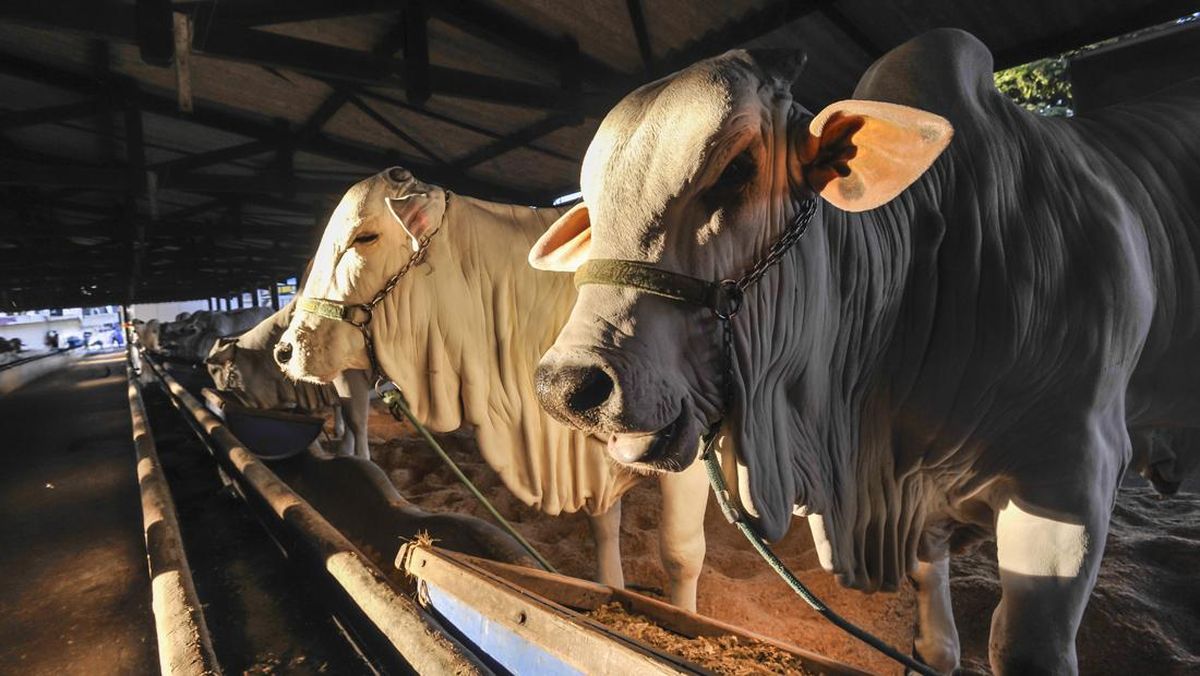
The Bantul Regency Food Security and Agriculture Agency (DKPP) in the Special Region of Yogyakarta (DIY) has confirmed that the meat of 466 sacrificial animals infected with liver fluke (Fasciola) remains safe for consumption.
Head of DKPP Bantul, Joko Waluyodi, stated on Thursday (28 May) that while the meat from infected animals can be consumed, sections affected by liver fluke must be cut off and discarded. He emphasised that liver fluke infections are common annually during Eid al-Adha, and the public need not be concerned as the meat remains safe when properly handled.
“The affected sections should be removed and not consumed,” he added.
Joko explained that liver fluke infections arise from animal husbandry practices, particularly grass feed contaminated with bacteria. “Liver fluke is carried by small snails that inhabit grass feed, which are then consumed by livestock,” he said.
He noted that infections can be prevented by administering deworming medication two to three months before slaughter. However, if animals are already infected, only the affected parts need to be discarded.
“Public awareness campaigns have been conducted to inform communities on the necessary actions if liver fluke is detected during slaughter,” he said.
Preliminary quick count data shows Bantul Regency completed the slaughter of 26,245 sacrificial animals on the first day of Eid al-Adha, Wednesday (27 May). “This is a preliminary figure based on the 27 May quick count, and today’s estimate is expected to be higher,” Joko added.
Slaughter took place at 2,069 locations across Bantul on the first day of Eid al-Adha. Breakdown shows 6,108 cattle with 330 Fasciola cases, 5,418 goats with 30 cases, and 14,719 sheep with 106 cases.