
45,000 Koreans Convert to Islam: Why They Choose the Faith
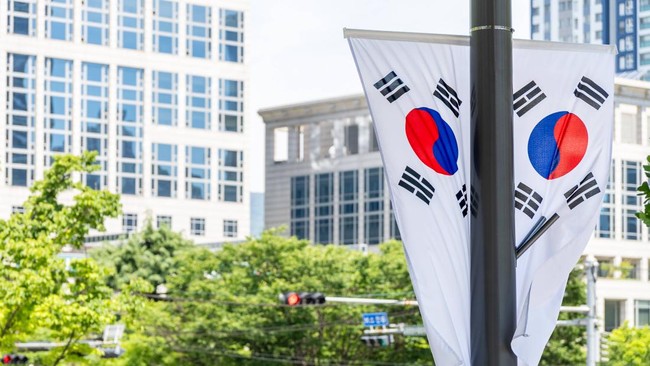
Amid the strong influence of South Korea’s traditional and modern cultures, tens of thousands of local people have chosen to embrace Islam. An estimated 45,000 ethnic Koreans born and raised in the country are now Muslim, with reasons ranging from spiritual conviction to a desire for a different life in response to social pressures.
Yusuf, a Korean man in his thirties who converted to Islam in 2014, said some men were drawn to the faith in the hope that it would make it easier to find a life partner. He said he was disillusioned with competitive dating culture, particularly in Seoul, and saw Islam as offering a simpler way of life.
“Most men do it to find a wife,” he said, as quoted by The Korea Times on Friday (23 October 2026).
At Seoul Central Mosque in Itaewon, around five to 25 people attend introductory Islamic courses each month. After completing the lessons, they can recite the shahada to formally become Muslims. Most participants are reportedly men, while women who convert are also attracted to the simplicity of Islamic teachings and the concept of one God.
Areum, a Korean woman in her thirties, is among them. She believes some Islamic values align with her culture of origin, including respect for older people. This common ground made it easier for her to explain her decision to change religions to her parents. She also described her first visit to a mosque in Seoul as a moment when she felt she had “finally come home”.
For some converts, their interest in Islam stems from feeling out of step with the social expectations of Korean society. Some young people find dating culture, social pressure and the demands of mainstream life burdensome. A representative of Seoul Central Mosque said most Koreans who come to learn about Islam are in their twenties and thirties.
Islam has been present in Korea for centuries, brought by Muslim traders and workers, although a local Muslim community did not develop continuously.
A new wave of conversions emerged in the modern era, including after the 1950–53 Korean War, when Turkish troops who took part in the conflict also introduced Islam to Koreans. Since then, the Muslim community’s presence has continued to be shaped by political circumstances and Korea’s relations with the outside world.
Today, social media is also introducing Islam to Korean society through influencers who have converted. Ayana Jihye Moon, a Korean woman who embraced Islam as a teenager, is known as a Muslim fashion influencer and later settled in Indonesia.
Meanwhile, Daud Kim shares his experiences as a convert on YouTube. Their content, including combinations of the hijab and hanbok, helps show how Korean and Muslim identities can coexist.
Although some converts face discrimination or exclusion from those around them, they say they have found support in Muslim communities. For Yusuf, meeting Muslim friends at an English-language club was his introduction to Islam and broadened his perspective beyond the cultural environment he had known.
The experiences of these converts show that there is no single reason for embracing Islam: motivations include faith, the search for identity and the need for a community.
Source: jawawa.id (https://jawawa.id/newsitem/45-000-koreans-convert-to-islam-why-they-choose-the-faith-1792731074)
Originally published by CNBC Indonesia (https://www.cnbcindonesia.com/syariah/20261023093943-29-778797/45000-warga-korea-jadi-mualaf-ini-alasan-mereka-pilih-islam), translated from Indonesian