
440 Hectares of Rice Fields in Karangasem Lost in Five Years as Land Converts to Villas
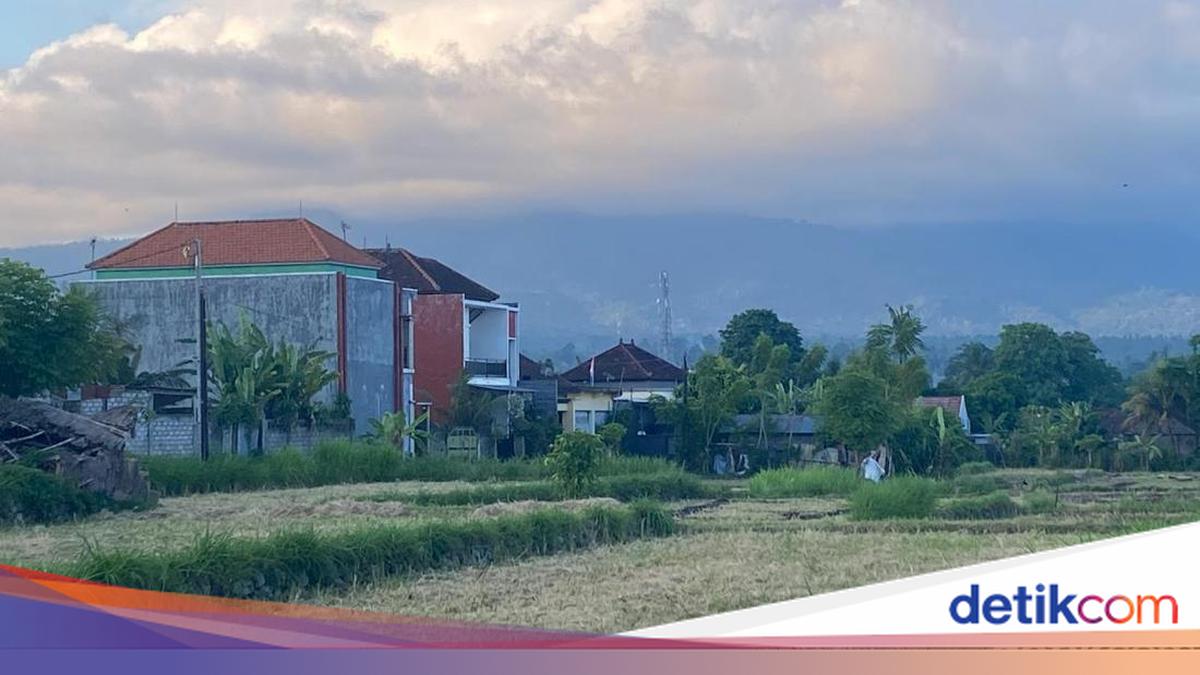
A total of 440 hectares of rice field area in Karangasemb Regency, Bali, has been converted into buildings over the last five years. These agricultural lands have been transformed into houses, boarding houses, villas, and other commercial structures.
The Head of Infrastructure and Facilities at the Karangasem Agriculture, Food, and Fisheries Office, I Putu Gede Suwata Berata, revealed that the area of rice fields in Karangasem has steadily shrunk from 2021 to 2025. This land conversion is spread across seven districts within Karangasem.
In 2021, the area of rice fields in Karangasem was approximately 7,236 hectares, whereas by the end of 2025, it had decreased to 6,796 hectares. This represents a reduction of about 440 hectares of paddy fields over the five-year period.
“Most of these rice fields have been repurposed for buildings such as houses, villas, or similar structures,” said Suwata Berata on Tuesday (2/6/2026).
Land conversion has occurred in seven out of the eight districts in Karangasem. The only district that did not experience a decrease in rice field area is Kubu, as it does not possess any paddy field areas.
According to Suwata Berata, the highest rate of land conversion is occurring in the Sidemen District. This is because the area has become a target for investors due to its attractive natural scenery and landscapes, which are ideal for the development of villas and restaurants.
“In other areas such as Abang, Karangasem, and others, there is also land conversion, mostly into houses, boarding houses, or villas, particularly in the areas around Amed,” Suwata added.
To curb the rate of land conversion, the Karangasem Regency Government is currently preparing a local regulation (Perda) to govern the protection of agricultural land. This regulation is expected to limit construction within paddy field areas.
“Our rice fields only account for 8 per cent of the total area of Karangasem. If they continue to be converted into buildings, they will gradually diminish, which is why a local regulation is necessary,” explained Suwata Berata.
Suwata added that the government has been undertaking various efforts to maintain the sustainability of agricultural land, ranging from providing fertiliser subsidies and improving irrigation networks to enhancing farm road access and providing agricultural machinery and tools.
“We hope these efforts can preserve the rice fields, but every year, there is inevitably some land being converted,” he said.
With the implementation of the local regulation, the authorities hope that the preservation of existing rice fields in Karangasem Regency will be maintained and that further land conversion will be prevented.