
42,826 Suspected TB Patients Served in West Jakarta
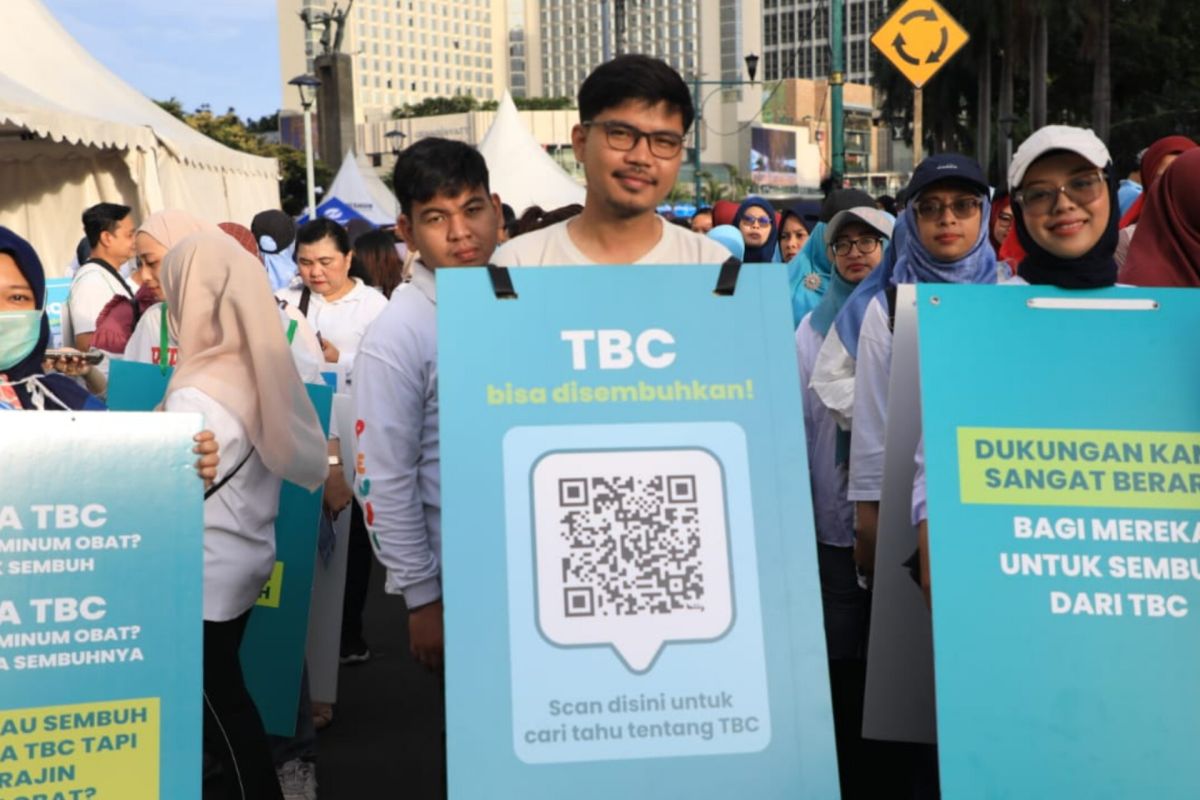
The West Jakarta City Government is intensifying efforts to tackle tuberculosis. Based on monitoring data for the TB health service programme from 1 January to 20 July 2026, a total of 42,826 suspected TB patients have received care in accordance with standards. In the first five months of 2026, case detection and treatment coverage in West Jakarta reached 6,056 patients. This figure shows positive movement from previous data as of 15 April 2026, which had only detected 3,027 cases, and is part of the effort to meet the total detection target of 11,955 TB cases in West Jakarta this year. The number of cases is projected to continue increasing along with early detection efforts in the field. This step is the region’s commitment to supporting the TB elimination target in DKI Jakarta by 2030. The West Jakarta Health Sub-agency implements two types of strategies for detecting TB: active and passive. Active case-finding efforts include health screening, free health checks in the community, and the work of TB cadres in the field. Passive detection involves suspects who come independently to health facilities. To ensure results, every health facility in West Jakarta applies strict procedures through precise and rapid diagnostic enforcement, utilising sputum examination and radiology according to medical indications. All patients included in the treatment coverage are ensured to receive care according to applicable quality standards. The agency conducts regular monitoring of medication adherence and carries out examinations of close contacts of TB patients. As a preventive measure to prevent wider transmission, close contacts declared healthy are also given TB Preventive Therapy. The West Jakarta Health Sub-agency continues to intensify health promotion through counselling on Clean and Healthy Living Behaviour, education on cough etiquette, provision of immunisation, and dissemination of information regarding access to health services for people experiencing TB symptoms.