
400 Malicious Apps Infiltrate Phones, with Many Victims Already Affected
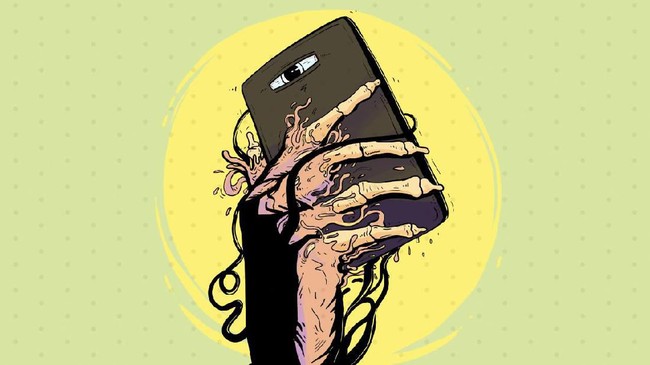
Jakarta, CNBC Indonesia — A new cybersecurity scandal has shaken the global technology industry. An independent investigation has uncovered more than 400 connected apps and web domains disguised as user-friendly artificial intelligence (AI) services, ranging from pet-photo editors and language-learning apps to fitness guides.
Behind their seemingly harmless interfaces, however, the apps secretly included media-manipulation features to generate pornographic content and explicit videos without consent, using photographs of real people.
The findings bolster earlier research showing that apps which generate non-consensual sexual images have continued to slip past the review processes of Apple’s App Store and Google Play Store.
Concealing prohibited features
According to an investigation by WIRED, the network used remote servers to evade app-testing systems.
When an app is installed on a user’s phone, it automatically contacts an external server and sends sensitive data, including the device’s language, advertising referral source and a unique identifier.
The external server then determines whether the app displays the advertised legitimate features or automatically redirects the user to a website that creates explicit deepfakes.
Users who download the apps through the usual app-store channels see only standard features. Those who arrive after clicking targeted adverts on Facebook or Instagram are instead directed to the concealed tools for generating pornographic content.
One example is an app called Viefur. It is advertised as an AI-powered pet-photo generator, but researchers found hidden access to a platform for producing manipulated explicit photos and videos with violent content.
Researchers also found JavaScript bundles linked to hundreds of encrypted domains and advertising trackers. The shared infrastructure suggests an organised cyber-operation syndicate, rather than the work of individual developers.
By September 2026, researchers had identified at least 27 related apps on Google Play Store, with more than 350,000 downloads. Most had even passed age-rating classifications for all audiences.
Technical traces in the hosting infrastructure and app code were also linked to Mandarin-speaking developers and a shell entity registered in Hong Kong, KeLing Technology Limited.
Apple’s response and gaps in app review
In response to the report, Apple swiftly removed 19 affiliated apps from the App Store, including Viefur. Apple spokesman Adam Dema said the apps had initially complied with all standard App Store review rules.
However, developers exploited a technical loophole by changing content on external servers after the apps had been published.
“Developers unilaterally changed the websites supplying their content, replacing approved material with pornographic content,” Dema said, according to WIRED on Tuesday (3 November 2026).
The case exposes a critical weakness in digital app-review procedures. Developers can readily change content delivered from external servers without submitting a new version of the app for review by Apple or Google assessors.
As a precaution, Apple officially updated its App Store Guidelines on 16 October 2026. Guideline 1.2 now explicitly prohibits the misuse of AI to create sexual content without consent, while Guideline 2.5.19 strengthens penalties for developers who conceal active features after approval in a bait-and-switch tactic.
Cybersecurity experts nevertheless say the tighter rules may not be enough to stop external-server redirection tactics, leaving technology giants with a major challenge in detecting AI-based digital crime in real time.
Source: jawawa.id (https://jawawa.id/newsitem/400-malicious-apps-infiltrate-phones-with-many-victims-already-affected-1793703133)
Originally published by CNBC Indonesia (https://www.cnbcindonesia.com/tech/20261103134408-37-781884/400-aplikasi-berbahaya-manyusup-di-hp-korbannya-sudah-banyak), translated from Indonesian